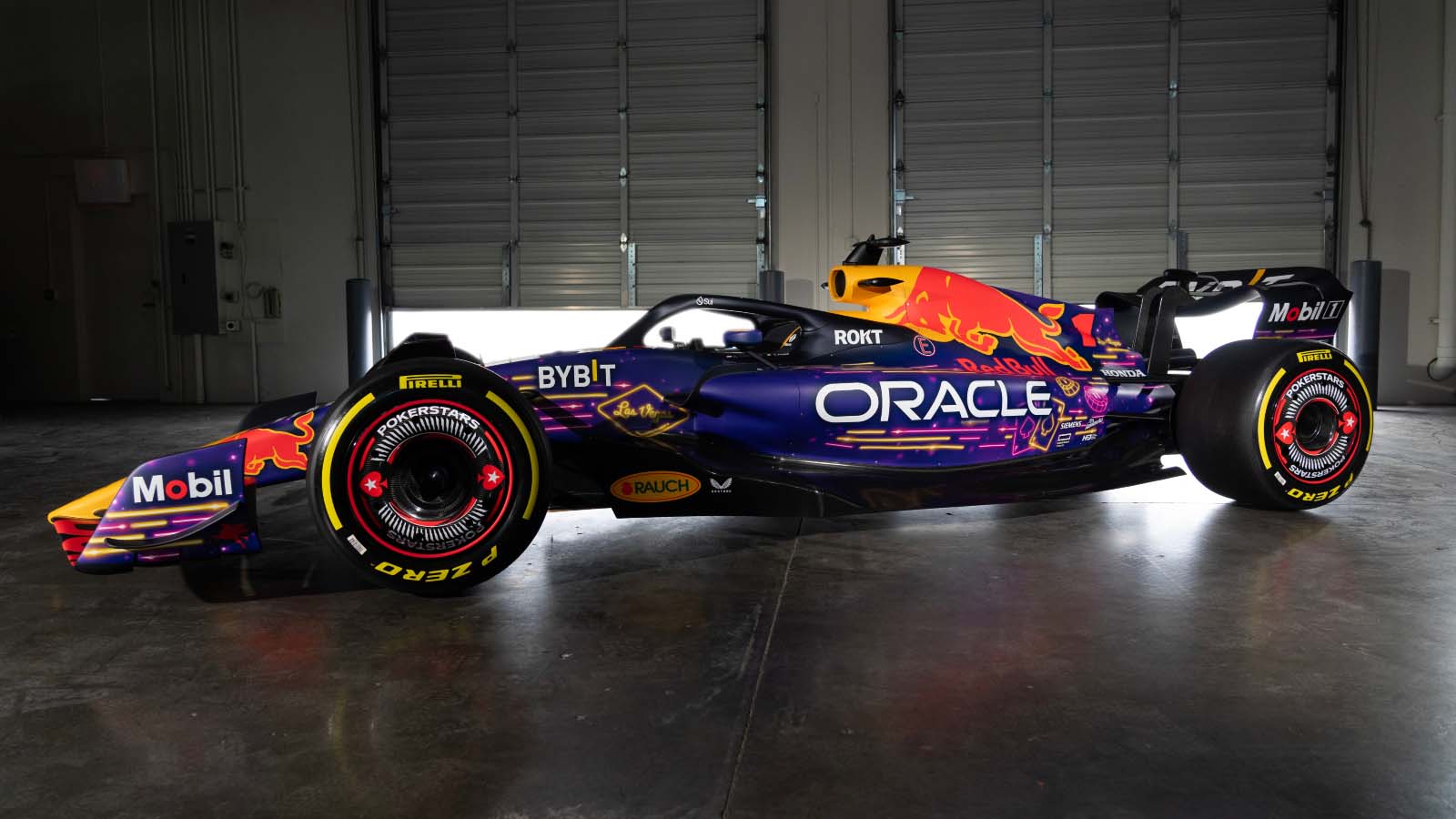
Laurent Mekies, head of Red Bull Racing, revealed the team's weaknesses following a disappointing performance at the Japanese Grand Prix. Max Verstappen finished in eighth place, while Isack Hadjar came in twelfth, raising questions about the team's competitive capabilities in upcoming championships.
In his remarks after the race held at the Suzuka Circuit, Mekies pointed out that the team conducted a thorough analysis of their performance, which helped them identify the factors that led to this modest showing. He confirmed that the team would work on improving these weak points in the near future.
Event Details and Performance Analysis
Mekies explained that Red Bull has lost some of its competitive edge recently, as they have been unable to develop the car in a way that allows them to compete with other teams like Mercedes, Ferrari, and McLaren. He noted that the results in the last three races have been disappointing, with both drivers competing in the midfield rather than battling for the top positions.
He added that the team needs to gather more data from upcoming races, and it is crucial for both Verstappen and Hadjar to actively participate in the car's development. Mekies emphasized that teamwork will be essential in improving performance.
Background & Context
Historically, Red Bull has been one of the strongest teams in the Formula 1 world, having achieved numerous world championships. However, changes in regulations and technology have impacted their performance in recent years. With new teams like McLaren entering the competitive arena, it has become essential for Red Bull to reassess their strategies and develop their cars to remain competitive.
The Japanese Grand Prix is considered one of the most important races on the Formula 1 calendar, featuring the Suzuka Circuit, known for its technical challenges. A weak performance in this race could affect the team's morale and increase the pressure on them to achieve better results in upcoming races.
Impact & Consequences
The weak performance of Red Bull could have far-reaching implications for the team's future in the championship. With increasing competition, the inability to improve performance may lead to losing crucial points in the championship standings. This could also affect their ability to attract sponsors and investors who are looking for teams capable of achieving success.
On the other hand, this performance may impact the morale of the drivers, as both Verstappen and Hadjar need the team's support to boost their confidence. If the poor performance continues, the drivers may consider other options, potentially leading to changes in the team's lineup.
Regional Significance
Formula 1 is a sport that generates significant interest among Arab audiences, with some Arab countries hosting Formula 1 races, such as Bahrain and Abu Dhabi. Therefore, the performance of teams like Red Bull affects Arab fans who passionately follow this sport. Additionally, the success of Arab teams in hosting these events reflects the development of the sport in the region.
In conclusion, Red Bull must work diligently to improve its performance in upcoming races, especially with the Miami Grand Prix approaching. The ability to learn from past mistakes and develop the car will be key to future success.