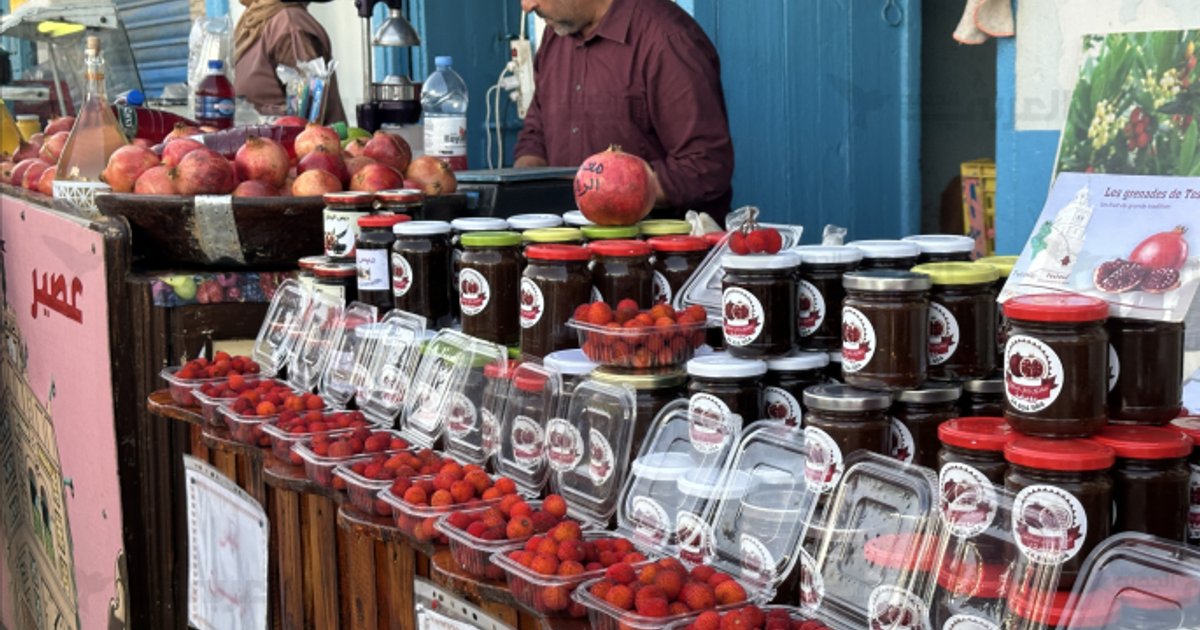
The province of Béja, located in northern Tunisia, is one of the regions that preserves a unique culinary heritage stemming from the Moorish community, who settled in Tunisia after being expelled from Andalusia. These dishes are not just meals; they represent a part of a rich history and culture that extends over centuries, intertwining food with the stories and legends passed down through generations.
The Andalusian dishes in Béja include a diverse array of plates that reflect multiple cultural influences, blending Arabic and Spanish flavors. Among the most famous of these dishes are couscous and tajine, alongside traditional sweets like makroud and baklava, which are made with local ingredients that showcase the diversity of the Tunisian environment.
Diverse Culinary Heritage
The Andalusian dishes in Béja are characterized by their diversity and richness, symbolizing the cultural identity of the region. Local residents are keen to preserve these culinary traditions, as meals are an integral part of social occasions and celebrations. These dishes also serve as a means of transmitting cultural heritage from one generation to the next, contributing to the enhancement of national identity.
Studies show that the Moorish people, who migrated to Tunisia in the 17th century, significantly influenced the local cuisine. They introduced new cooking techniques and unconventional ingredients, which helped shape a unique culinary identity that distinguishes Béja from other regions.
Historical Context
The history of the Moors in Tunisia dates back to the period of mass expulsion from Andalusia, where many sought refuge in North Africa in search of safety. This migration enriched Tunisian culture, as the Moors left a clear mark on the arts, architecture, and cuisine. The dishes inherited by Tunisians from the Moors reflect this cultural interaction, making them an integral part of Tunisian identity.
Over the years, these dishes have evolved to become part of the Tunisian cultural heritage, now symbolizing pride and appreciation for history. The increasing interest in Tunisian cuisine in recent years has contributed to the revival of these traditional dishes, highlighting the importance of preserving cultural heritage.
Consequences and Impact
The Andalusian dishes in Béja serve as a living example of how history influences culinary culture. Preserving these dishes reflects the local community's commitment to maintaining its cultural identity and enhances cultural tourism in the region. Furthermore, the growing interest in traditional cuisine supports the local economy by boosting tourism and promoting local products.
Moreover, the revival of these traditional dishes fosters national pride, as Tunisians take pride in their rich cultural heritage. This interest also reflects the desire of younger generations to learn about their history and culture.
Significance in the Arab Region
The Andalusian dishes in Béja are a model to be emulated in the Arab region, showcasing how history impacts cultural identity. Preserving culinary heritage is part of maintaining national identity, contributing to strengthening cultural ties between Arab nations. This heritage serves as a bridge for communication between peoples, as traditional dishes can enhance mutual understanding among different cultures.
In conclusion, the Andalusian dishes in Béja are a vivid embodiment of a rich history and culture, representing a part of Tunisian identity. Preserving these dishes is a collective responsibility, contributing to the enhancement of national pride and appreciation for cultural heritage.