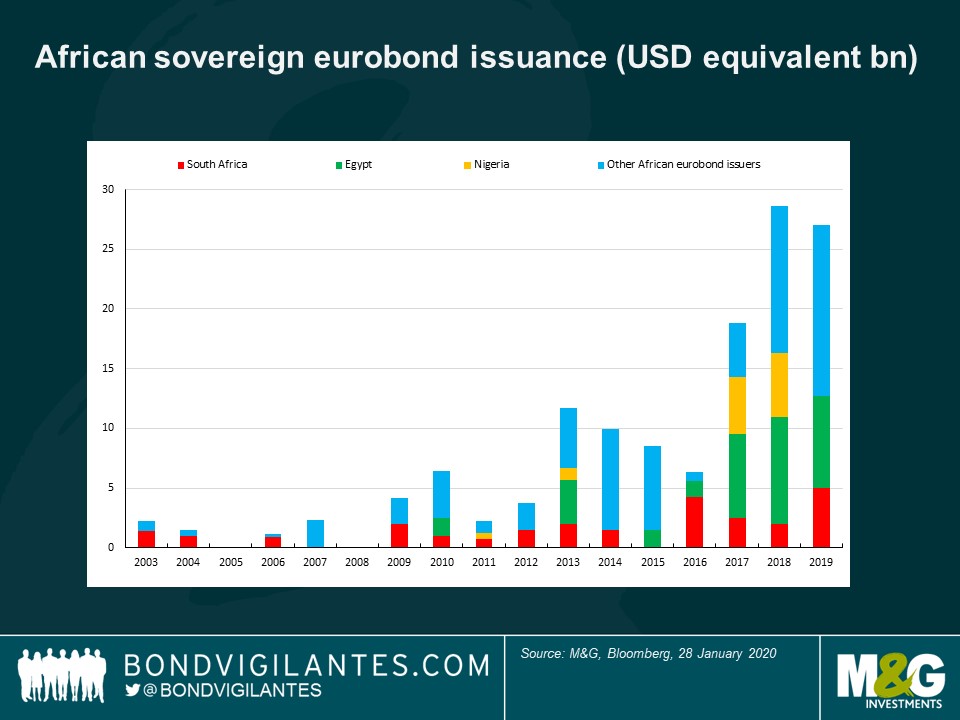
In a move aimed at enhancing financial stability, Angolan Finance Minister Vera Daves de Sousa announced that the government will utilize approximately $500 million from the proceeds of European bond sales issued this week to buy debts due in 2028. This step is part of the government's efforts to improve its financial position and alleviate the economic pressures facing the country.
The minister clarified that the government will allocate 80% of the remaining revenues for government spending, reflecting the government's commitment to enhancing public services and infrastructure in the country. This initiative comes at a time when Angola is grappling with significant economic challenges, including rising levels of public debt.
Details of the Initiative
This initiative is considered part of the Angolan government's strategy to address increasing debt levels. The government aims to improve its financial situation by restructuring its outstanding debts, which reflects its desire to reduce the financial burden on the public budget. The issuance of European bonds comes at a time when the global financial market is experiencing significant fluctuations, making this move even more critical.
It is noteworthy that Angola has seen a decline in its oil revenues in recent years, which has significantly impacted the national economy. Therefore, the debt buyback is a strategic step aimed at improving the financial situation and boosting confidence in the Angolan economy.
Background & Context
Historically, Angola has heavily relied on oil exports as a primary source of revenue. With the decline in global oil prices, the country has faced substantial economic challenges, prompting the government to seek innovative solutions to improve its financial standing. In this context, the issuance of European bonds is part of the government's efforts to attract foreign investments and enhance the economic situation.
Over the years, the Angolan government has taken several steps to restructure its debts, including negotiating with creditors and proposing economic reform plans. However, challenges remain, necessitating sustainable strategies to improve the financial situation.
Impact & Consequences
This initiative is significant not only for Angola but also for the entire region. The debt restructuring strategies in Angola could influence neighboring countries facing similar challenges. Additionally, the government's success in improving its financial position may enhance confidence in African financial markets and attract more investments.
Moreover, improving the financial situation in Angola could contribute to regional economic stability, benefiting neighboring countries. Consequently, this step could open new avenues for economic cooperation among African nations.
Regional Significance
Although Angola is not an Arab country, the economic challenges it faces may be similar to those experienced by some Arab nations, especially those reliant on oil exports. Therefore, the lessons learned from Angola's debt restructuring experience could be beneficial for Arab countries facing similar economic pressures.
In conclusion, the Angolan government's steps toward debt restructuring and addressing economic challenges remain under scrutiny, as observers look forward to how these strategies will impact financial and economic stability in the country.