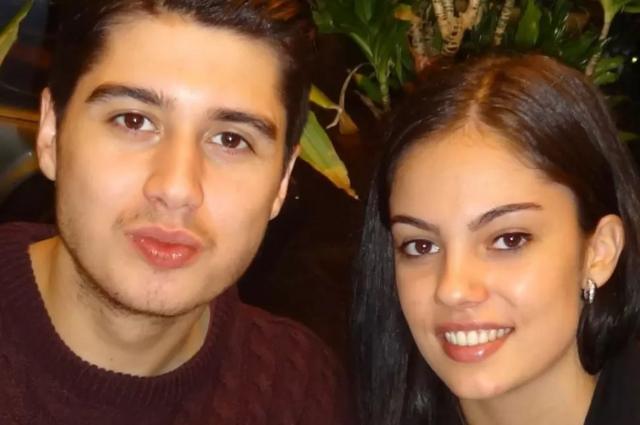
An Angolan court postponed the trial of Russian political advisor Igor Rachin and translator Lev Lakhtanov yesterday, who are accused of attempting to change the political system in the country. This follows their arrest in August, where they face charges including terrorism, espionage, and influencing the media landscape.
The indictment includes 11 charges related to an alleged attempt to "change the political system" in Angola through a campaign of media disinformation and inciting anti-government protests. The public prosecutor stated that the defendants were working for the network Africa Politology, described as an extension of operations by the Russian Wagner Group, following the death of its founder Yevgeny Prigozhin in 2023.
Details of the Case
According to reports from the BBC, this network operates in several African countries, including the Central African Republic, Mali, and Madagascar. In contrast, the defense team has asserted that the defendants have no connection to the Wagner Group or any Russian agencies, indicating that they were seeking to establish a "Russian Cultural House" in the Angolan capital, Luanda.
The indictment also claims that the defendants provided over $24,000 to local journalists and experts to publish propaganda materials in Angolan media between 2024 and 2025, aiming to "incite political change." Among these materials were posts on Facebook and websites criticizing Western projects such as the Luanda Corridor, intended to transport minerals from Central Africa to Angolan ports.
Background & Context
These events occur at a time when Angola is experiencing tension in its relations with Russia, as ties have significantly deteriorated in recent years. Russian companies such as Alrosa and VTB have withdrawn from the Angolan market due to sanctions related to the war in Ukraine. Additionally, Angolan President João Lourenço has not met with his Russian counterpart Vladimir Putin since 2019, reflecting a shift in Angola's foreign policy.
In July, Angola witnessed protests described as the most violent since the end of the civil war in 2002, resulting in the deaths of 29 people and the arrest of over 1,200 others. The prosecution has linked the defendants to these protests, although Angolan activists and journalists argue that these disturbances were a result of difficult living conditions rather than "foreign intervention," raising questions about the authorities' use of Russians as a "scapegoat."
Impact & Consequences
If convicted, the defendants may face deportation to their home country, but Russian authorities do not appear eager to intervene in this case. The BBC reported a Russian diplomatic source stating, "The logic is simple: they did not carry out official state tasks, but were merely contractors," reflecting Russia's weakened position in Angola.
This situation underscores the increasing geopolitical tensions in the region, as Angola seeks to strengthen its ties with the West amid declining Russian influence. Furthermore, this case could impact Russian investments in Africa, complicating the political landscape on the continent.
Regional Significance
This case exemplifies how geopolitical conflicts affect African nations, which may have repercussions for Arab countries seeking to enhance their relations with either Russia or the West. The rising political unrest in Africa could also reflect on security and stability in the Arab region, where economic and political interests intersect.
In conclusion, these events highlight the importance of monitoring developments in Angola, as they may influence international relations in the region and shed light on the challenges African nations face amid global geopolitical changes.