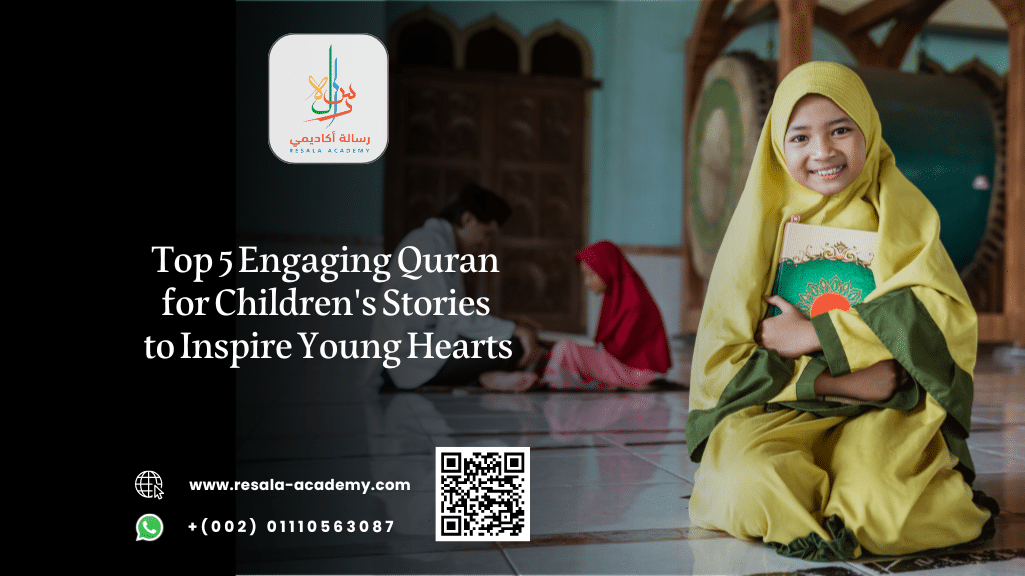
The Indonesian Ministry of Religious Affairs (Kemenag) has announced its readiness to implement new regulations aimed at transforming Quranic education for children, known as PAUDQU, into formal educational institutions. This announcement was made during a press conference held in Jakarta, where the Director of Education at the ministry, Bisanang Said, emphasized the importance of this step in promoting Quran-based education.
Said explained that Quranic education for children had previously been suspended due to weak legal foundations, but the ministry is now working on developing the necessary curricula and teaching methods to integrate these institutions into the national education system. He noted that the decision to regulate PAUDQU as part of formal education is a significant step towards improving the quality of education in Indonesia.
Event Details
The ministry aims to establish clear standards that include curriculum development, teacher training, and performance evaluation. Said confirmed that PAUDQU will rely on eight core standards, which include enhancing educational content to align with children's growth stages, implementing objective assessments, and effective management of educational institutions to ensure quality education.
He also pointed out that the Lembaga Pendidikan Al Quran (LPQ) will remain as an informal educational entity, focusing on improving the quality of education to meet community needs. Although LPQ will not be bound by formal standards, it will work to enhance educational quality and provide a suitable learning environment.
Background & Context
Historically, Quranic education in Indonesia has relied on informal institutions, leading to significant disparities in educational quality. With the increasing interest in religious education, it has become essential to develop an educational system that ensures the quality of Quranic education and integrates it into formal education. This step comes at a time when there is a growing demand for comprehensive religious education that meets global challenges.
The Indonesian government seeks to achieve a balance between religious education and general education, reflecting the importance of Quranic education in shaping Indonesian community identity. This move also reflects the government's commitment to promoting religious education as part of national development.
Impact & Consequences
This decision is expected to have a significant impact on the future of education in Indonesia. It will contribute to improving the level of Quranic education, resulting in graduates capable of facing contemporary challenges. Additionally, the focus on curriculum development and teacher training will help elevate the overall education level.
Furthermore, integrating Quranic education into the formal education system will enhance the status of religious education in society and encourage more investments in this sector. It will also help create a more inclusive and diverse educational environment.
Regional Significance
This step is important not only for Indonesia but also for the Arab region, as it can serve as a model for developing religious education. Enhancing Quranic education as part of the formal education system can contribute to improving the quality of education in Arab countries, which face similar challenges in this field.
In light of global changes, it is essential for Arab countries to benefit from successful experiences in other countries, such as Indonesia, to enhance religious education and ensure its quality. Quranic education should be an integral part of general education, contributing to the formation of a strong cultural and religious identity.