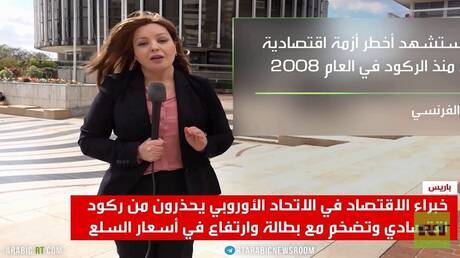
The ongoing war in the Middle East is increasingly impacting the economies of EU member states, affecting various sectors from energy and industry to agriculture and the daily lives of citizens.
The conflict is notably affecting energy markets, driving up prices for oil and gas, which in turn raises energy costs and the prices of products reliant on energy.
Details of the Situation
The war is also impacting the automotive industry, as it raises the costs of raw materials, leading to increased prices for vehicles.
In agriculture, the conflict is causing a rise in the prices of pesticides and chemicals, which results in higher farming costs.
Background & Context
The war in the Middle East is a primary reason for its effects on the economies of EU countries.
This conflict has a direct impact on the European economy, as it drives up oil and gas prices, leading to increased energy costs and the prices of energy-dependent products.
Impact & Consequences
The conflict is significantly impacting the European economy, as it raises oil and gas prices, resulting in higher energy costs and prices for energy-dependent products.
Regional Significance
The war is also affecting the economies of countries in the Arab region, as it raises oil and gas prices, leading to increased energy costs and prices for energy-dependent products.
Furthermore, the conflict impacts labor markets, increasing unemployment rates and consequently leading to a rise in poverty levels.
The war has a direct impact on the European economy, as it raises oil and gas prices, resulting in higher energy costs and prices for energy-dependent products.
Conclusion
The ongoing war in the Middle East is a primary reason for its effects on the economies of EU member states.
This conflict has a direct impact on the European economy, as it drives up oil and gas prices, leading to increased energy costs and the prices of energy-dependent products.