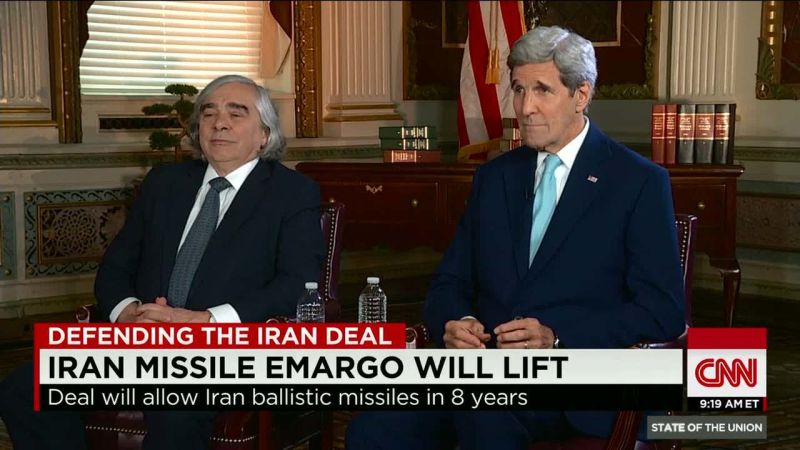
Former U.S. Energy Secretary Ernest Moniz warned that the ongoing conflict in Iran could lead to a significant increase in inflation rates, necessitating U.S. preparedness for long-term repercussions. He discussed these implications during an interview on 'The Close', where he examined the potential impacts of the conflict on both the U.S. and global economies.
Moniz pointed out that the conflict in Iran, a major point of tension in the Middle East, could significantly affect energy prices, which in turn would impact the cost of living in the United States. He emphasized that the current situation requires the U.S. government to take proactive measures to counter any potential price hikes.
Details of the Event
Moniz spoke about the importance of monitoring developments in the Iranian conflict, noting that any escalation could lead to substantial fluctuations in oil markets. He affirmed that the United States must be prepared to face the long-term effects of this conflict, as its repercussions may last longer than many anticipate.
He also highlighted the urgent need to develop new strategies to ensure the stability of energy prices, especially given the heavy reliance on Iranian oil in global markets. Moniz warned that any supply shortages could lead to a significant increase in prices.
Background & Context
Historically, Iran has been a major center for oil production globally, and any disruptions in this country directly affect global energy markets. For decades, the region has witnessed numerous conflicts that have led to fluctuations in oil prices, impacting the global economy.
In recent years, tensions between Iran and the United States have escalated, raising concerns about the stability of oil supplies. This has prompted warnings from economists regarding the impact of these conflicts on inflation rates in the U.S. and other countries.
Impact & Consequences
Moniz's forecasts suggest that the continuation of the conflict could lead to rising inflation rates, which may negatively affect the purchasing power of American citizens. If energy prices rise, this will increase transportation and production costs, which will be reflected in the prices of goods and services.
Moreover, rising inflation could prompt the U.S. central bank to take stringent measures, such as raising interest rates, which could adversely affect overall economic growth. These economic dynamics may lead to uncertainty in financial markets.
Regional Significance
For Arab countries, the ongoing conflict in Iran could carry serious repercussions. Many Arab nations rely on stable oil prices to achieve economic growth. Any increase in prices could impact their budgets and heighten economic pressures.
Furthermore, tensions in Iran could lead to an escalation of regional conflicts, increasing instability in the area. This situation requires Arab nations to take proactive steps to ensure the stability of their economic markets.
The challenges posed by the Iranian conflict necessitate effective measures from both the United States and Arab countries to address its impacts. In a changing world, preparedness to face economic crises remains an urgent necessity.