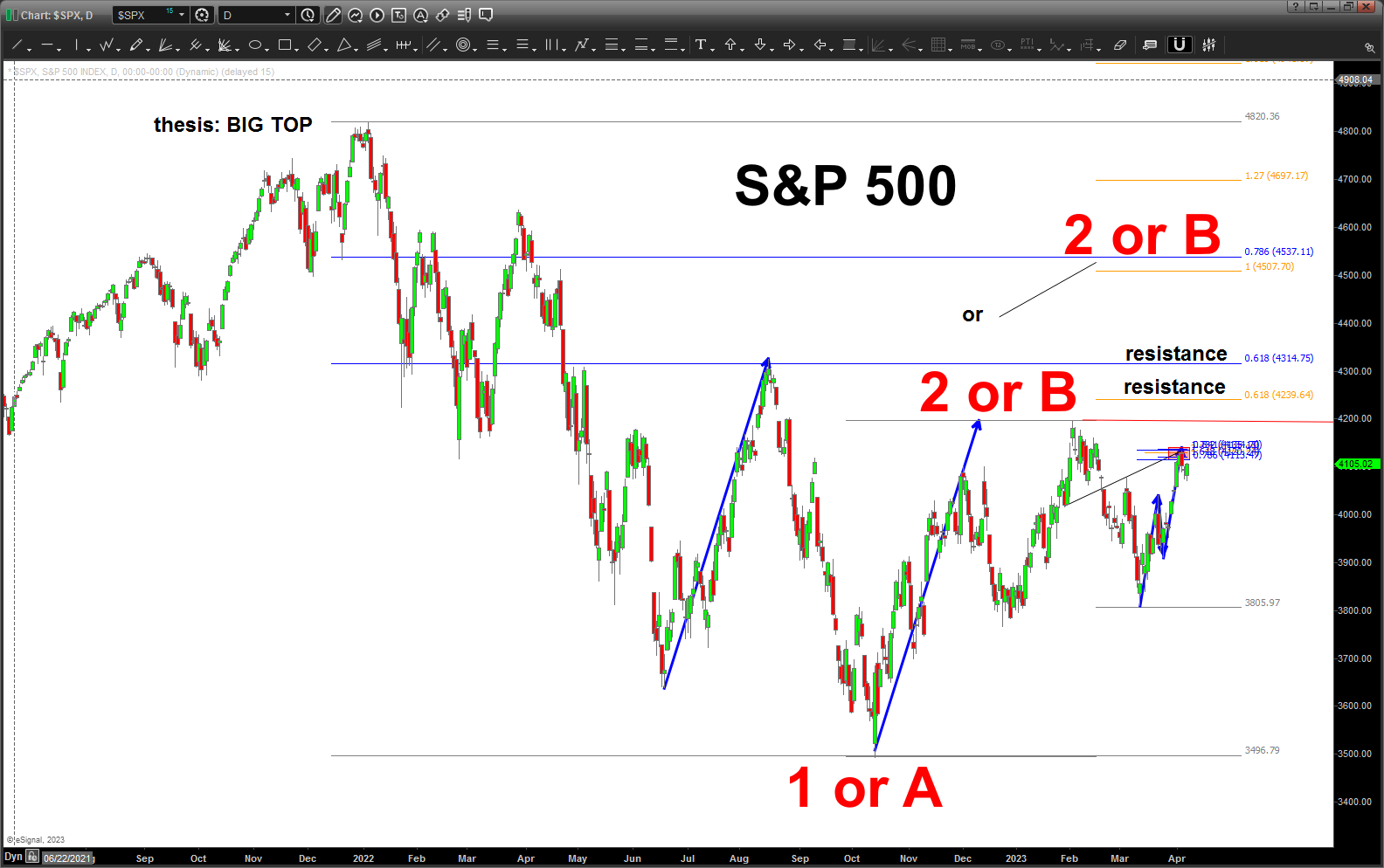
April is typically a recovery month for the S&P 500, but forecasts suggest this year may not be an exception. As the tax season approaches and selling activity begins in May, investors should exercise caution. Reports indicate that current economic conditions may negatively impact market performance, making it difficult to predict the index's trajectory in the coming weeks.
In previous years, April has usually seen a rise in stock prices, with investors benefiting from seasonal and positive factors. However, this year, it appears that economic conditions may weaken these expectations, prompting investors to reassess their strategies.
Event Details
Historically, April is considered a strong month for the S&P 500, with the index typically achieving notable gains. However, current conditions, including rising inflation rates and increasing interest rates, may lead to a decline in these gains. Analysts indicate that the tax season may also contribute to reduced market liquidity, increasing pressure on prices.
Furthermore, early selling activity in May, known as a tradition followed by some investors, may negatively affect the index's performance. This activity is part of an investment strategy aimed at reducing risks before entering the summer season, which often sees a decline in economic activity.
Background & Context
Financial markets have experienced significant volatility in recent years, influenced by various economic and political factors. Rising inflation rates, changes in interest rates, and geopolitical tensions are all factors affecting investor decisions. In this context, April is seen as a critical period, as investors seek to achieve gains before the summer season.
In past years, several factors contributed to market recovery during this month, including positive earnings reports from major companies. However, this year, the forecasts may be less optimistic, raising concerns among investors.
Impact & Consequences
If current economic pressures continue, this could lead to a decline in market indices overall, affecting investor confidence. Analysts suggest that any decline in the S&P 500 may have widespread effects on global markets, as this index is considered one of the most important performance indicators in the world.
Moreover, these changes may impact investor decisions in the Arab region, where many are linked to American markets. Any fluctuations in American markets could lead to negative effects on financial markets in Arab countries, necessitating caution.
Regional Significance
Financial markets in Arab countries are sensitive to changes in global markets, especially the American markets. Any decline in the S&P 500 could lead to a similar decline in Arab markets, impacting local investments. Experts indicate that investors in the region should be aware of changes in American markets and make informed investment decisions.
In conclusion, April 2023 may be different from previous years for the S&P 500. With increasing economic pressures and market changes, investors must be prepared to face new challenges and make wise investment decisions.