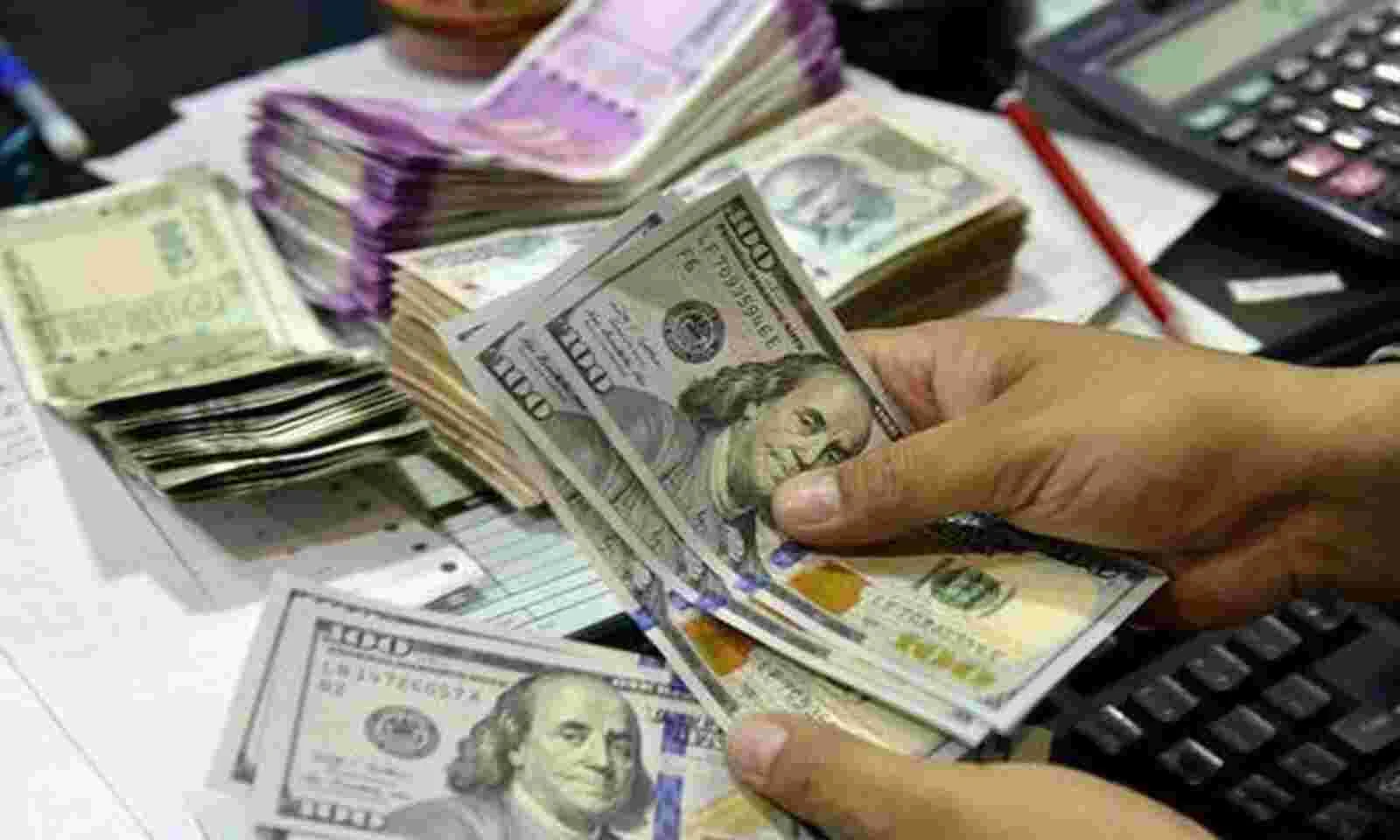
Indian banks are preparing to face new challenges in the currency market as they dismantle arbitrage deals worth up to $30 billion. This situation is considered one of the largest shocks the market has experienced in years, raising concerns among investors and analysts about its impact on the stability of the Indian rupee.
Reports indicate that this move comes at a sensitive time, as the Indian economy is facing multiple pressures, including rising inflation and fluctuations in global markets. With the dismantling of these deals, the rupee is expected to come under further pressure, potentially leading to a decline in its value against other major currencies.
Details of the Event
Arbitrage transactions are financial instruments used by banks to profit from price differences between various markets. However, dismantling these deals means that banks will be selling large amounts of rupees, which could lead to an increase in supply in the market and consequently a decrease in its value. This situation could cause chaos in the market as investors seek to minimize their losses.
These movements are expected to affect both foreign and domestic investors, as some may hesitate to enter the Indian market under these unstable conditions. There are also concerns that these disruptions could lead to a decline in confidence in the Indian economy as a whole.
Background & Context
Over the past few years, the Indian rupee has experienced significant fluctuations, influenced by both internal and external factors. Recently, India has faced multiple economic challenges, including the impact of the COVID-19 pandemic on economic growth. However, there have been government efforts to boost the economy and improve the business environment, contributing to attracting foreign investments.
But with the emergence of this new shock in the currency market, those efforts may be at risk. Fluctuations in the rupee's value can affect companies that rely on imports and exports, potentially leading to increased costs and impacting local prices.
Impact & Consequences
These disruptions are expected to have negative effects on the Indian economy, as they could lead to increased inflation and a decline in investments. Additionally, a decrease in the rupee's value may affect the government's ability to achieve its economic goals, including reducing the fiscal deficit and achieving sustainable growth.
Moreover, these conditions could impact India's trade relations with other countries, as confidence in India's ability to manage its economy effectively may decline. This could negatively affect foreign direct investment, increasing pressures on the Indian economy.
Regional Significance
India is considered one of the largest trading partners for many Arab countries, importing and exporting various goods. Therefore, any fluctuations in the Indian rupee could affect trade between India and Arab nations.
A decline in the rupee's value could lead to increased costs for goods imported from India, potentially impacting prices in Arab markets. Thus, it is crucial for Arab countries to closely monitor these developments, as the new situations may require new strategies to address economic challenges.
In conclusion, it appears that the Indian currency market is on the brink of facing new challenges that could affect the stability of the rupee. It is essential for investors and analysts to closely follow these developments, as the impact may extend to global markets.