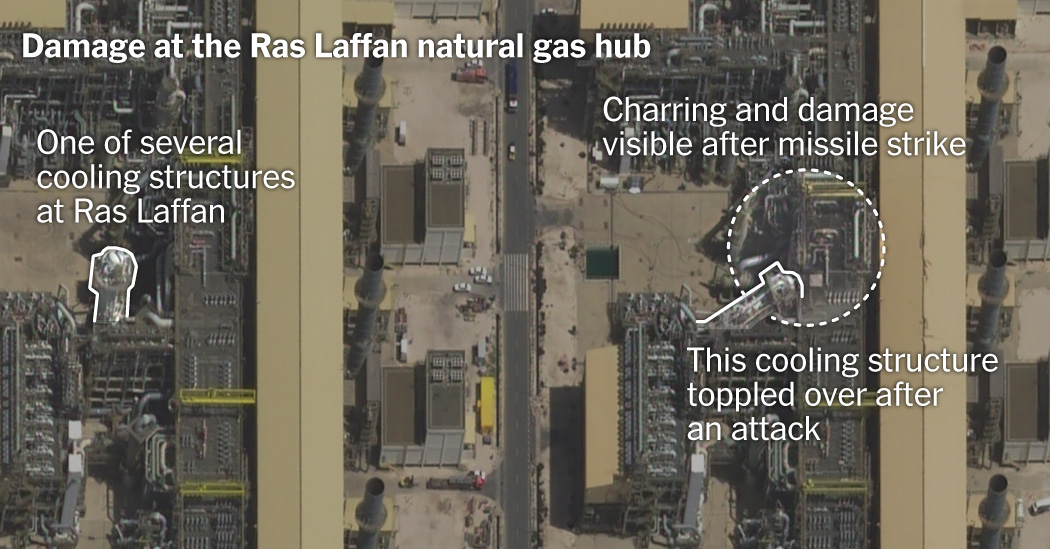
The reopening of the Hormuz Strait is a fundamental step towards resuming energy flow across the Arabian Gulf. Nevertheless, experts in oil and gas indicate that restoring the energy system in the region may require several months. Recently, numerous oil facilities have been targeted, significantly impacting energy supplies.
These facilities include oil refineries, storage facilities, and gas fields in at least nine countries, ranging from Iran to the United Arab Emirates. This has resulted in a halt of more than 10% of global oil supplies, necessitating secure passage through the strait and the required inspections of equipment.
Details of the Situation
Under the current ceasefire declared by President Donald Trump, Iran has agreed to allow ships to transit through the strait without facing attacks. However, the situation remains unstable, as attacks on energy facilities continued prior to the ceasefire, including strikes on an oil refinery in Kuwait and petrochemical complexes in Iran.
Restarting these facilities requires significant time and effort, as they cannot simply be turned back on with the push of a button. The damage to the energy infrastructure in the region remains unclear, as many countries have not provided sufficient information regarding the extent of the damage.
Background & Context
The Hormuz Strait is a vital point for oil transportation, with approximately 20% of global oil supplies passing through it. The region has witnessed increasing tensions in recent years, particularly with the escalation of conflicts between Iran and the United States, which has affected oil price stability.
Impact & Consequences
These developments are expected to significantly impact gas and oil prices in global markets. Despite the reopening of the strait, full production recovery may take a long time, indicating that gas prices could remain high for an extended period. This situation may affect the global economy, especially in countries that heavily rely on oil imports.
Regional Significance
These developments are crucial as they influence the stability of global energy markets. The ongoing instability in the region could lead to further fluctuations in oil prices, affecting not only regional economies but also global economic dynamics.
In conclusion, the reopening of the Hormuz Strait is a positive step, but the road to restoring full energy supply is fraught with challenges that could prolong high gas prices and economic uncertainty.