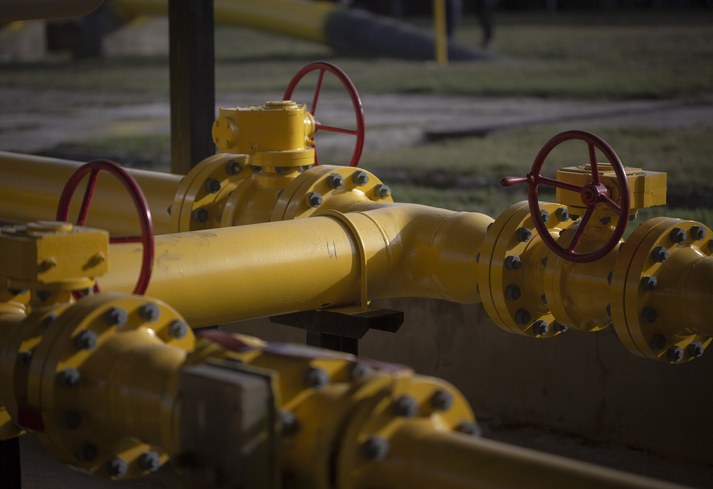
The global oil and liquefied natural gas (LNG) markets are at risk of facing the worst-case scenarios, according to recent reports from global news agencies. These predictions emerge at a sensitive time, as geopolitical tensions rise and impact the stability of global markets.
Reports indicate that several factors are affecting oil and gas supplies, including regional conflicts, economic sanctions, and climate changes impacting production. Together, these factors could lead to a severe supply shortage, significantly raising prices.
Details of the Situation
Concerns are growing that escalating tensions among oil-producing countries could reduce supplies, negatively affecting global prices. At the same time, major countries around the world continue to seek energy alternatives, increasing pressure on oil and gas markets.
There is also rising concern about companies' ability to meet the increasing demand for liquefied natural gas, especially with heightened demand from Asian markets. These dynamics could exacerbate the situation in the event of any additional disruptions.
Background & Context
Historically, oil and gas markets have experienced significant volatility due to geopolitical events. For instance, wars and conflicts in the Middle East have led to substantial spikes in oil prices on several occasions. Additionally, sanctions imposed on certain oil-producing countries have reduced supplies, affecting global prices.
In recent years, we have also witnessed the impacts of climate change on energy production, as countries strive to reduce reliance on fossil fuels. These transitions could lead to greater instability in the markets, especially if not managed effectively.
Impact & Consequences
If the worst-case scenarios materialize, we could see a significant rise in oil and gas prices, which would impact the global economy as a whole. Rising prices could lead to increased living costs, negatively affecting households and businesses.
Moreover, these conditions could impact investments in the renewable energy sector, as companies may focus more on oil and gas rather than seeking more sustainable alternatives. This could hinder efforts to combat climate change.
Regional Significance
For the Arab region, any disruptions in oil and gas markets could directly affect the economies of producing countries. Many Arab nations heavily rely on oil and gas revenues, and any price fluctuations could lead to significant economic impacts.
Furthermore, geopolitical tensions in the region could exacerbate the situation, increasing instability. Therefore, it is crucial for Arab countries to adopt strategies to adapt to these changes, including diversifying energy sources and enhancing investments in renewable energy.