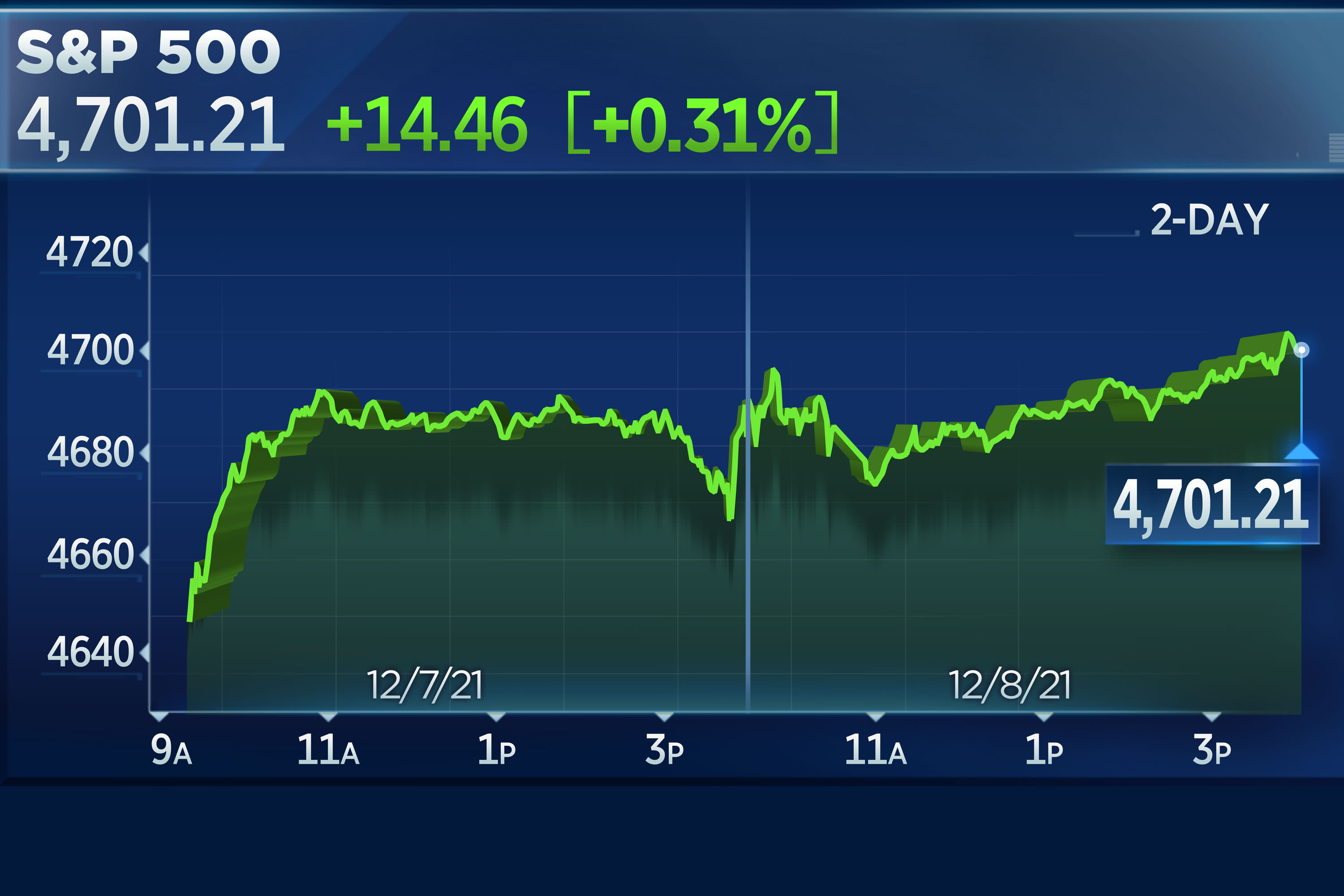
Reports indicate that Hologic, a leader in health technology, is soon to be acquired, prompting speculation about which stocks may replace it in the S&P 500 index. According to financial analysts, companies like Marvell, Alnylam, and Veeva are considered among the top alternative candidates.
Changes to the index are a fundamental aspect of financial market dynamics, as the inclusion or exclusion of any company can significantly impact its market value. In the case of Hologic, its acquisition means it will exit the index, paving the way for other companies to strengthen their market presence.
Details of the Acquisition
Hologic has been one of the leading companies in health technology, achieving notable growth in recent years. However, its acquisition could reshape the market landscape, as investors in Hologic will lose the opportunity to benefit from its growth trajectory.
On the other hand, candidate companies such as Marvell, which operates in the semiconductor sector, Alnylam specializing in genetic medicines, and Veeva focusing on health software, could capitalize on this opportunity to enhance their positions in the market.
Background & Context
Historically, the S&P 500 index has undergone numerous changes reflecting shifts in the U.S. economy. Many new companies have been added to the index while others have been removed, mirroring changes in economic performance and industrial trends.
These changes serve as indicators of market health, as companies included in the index are often in a strong financial position and demonstrate sustainable growth. Therefore, the addition of new companies can reflect future trends in the market.
Impact & Consequences
Changes in the S&P 500 index have wide-ranging effects on investors and companies. The inclusion of a new company can lead to increased demand for its shares, thereby raising its market value. Conversely, the exit of a company like Hologic may result in a decline in its value.
Moreover, these changes reflect broader economic trends, as companies that succeed in joining the index are often in advanced technology or healthcare sectors, highlighting shifts in market needs.
Regional Significance
The implications of these changes extend beyond the U.S. market, as they can influence global investment strategies and partnerships. The potential for collaboration between American and Arab companies may also arise from these shifts, fostering innovation and growth.
In conclusion, the anticipated changes in the S&P 500 index not only signify shifts within the U.S. economy but also present opportunities for emerging companies to establish themselves in a competitive landscape.