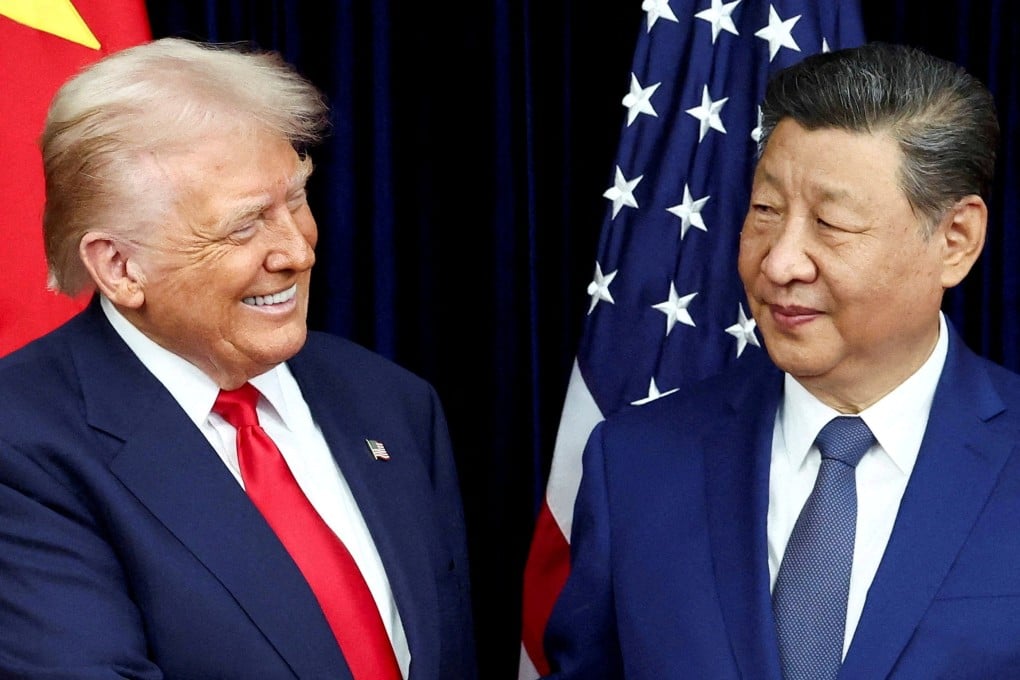
Amid the ongoing fragile truce between the United States and Iran, attention is turning to the anticipated meeting between U.S. President Donald Trump and Chinese President Xi Jinping. With the Strait of Hormuz under tension, investors have begun to embrace a new narrative known as 'Nashu', which indicates a lack of opportunity to open the Strait.
This term reflects increasing bets on the continuation of the stalemate and rising oil prices, marking a sharp shift from last year's prevailing trade strategy known as 'Taco', which meant 'Trump always retreats'. This strategy emerged amidst the chaos caused by Trump's trade policies, which included imposing tariffs on numerous goods.
Details of the Meeting
These developments come at a sensitive time, as tensions between the U.S. and Iran remain high, raising investor concerns about the stability of oil markets. The Strait of Hormuz is considered one of the most important maritime corridors in the world, through which approximately 20% of global oil passes. Therefore, any escalation in tensions could have significant impacts on global oil prices.
The anticipated meeting between Trump and Xi is seen as an opportunity to ease trade tensions between the two countries; however, investors appear to be pessimistic about the outcomes of this meeting. There seems to be a growing sentiment that the current stalemate may persist longer, reinforcing expectations of rising oil prices.
Background & Context
Historically, relations between the United States and Iran have been strained, especially following Trump's withdrawal from the nuclear agreement in 2018. This decision led to heightened tensions in the region and the imposition of economic sanctions on Iran, affecting the stability of oil markets. At the same time, China is seeking to strengthen its trade relations with Iran, complicating the geopolitical landscape.
Last year, markets reacted to Trump's trade policy, with 'Taco' viewed as a strategy reflecting market instability due to ongoing threats of new tariffs. However, investors now seem to be shifting towards a more pessimistic outlook with the emergence of 'Nashu'.
Impact & Consequences
If the situation remains unchanged, it could lead to a significant rise in oil prices, impacting the global economy. Increasing oil prices could raise transportation and production costs, negatively affecting the prices of goods and services.
Moreover, the continued stalemate in U.S.-Iran relations could exacerbate crises in the region, potentially affecting stability in Gulf Arab states. Investors in financial markets are closely monitoring these developments, as any changes in U.S. policy could lead to significant market volatility.
Regional Significance
This visit is pivotal in determining the future of trade relations between the United States and China, and its impact on global oil markets. The outcome of the meeting could either alleviate some of the existing tensions or further complicate the geopolitical dynamics in the region.
In conclusion, the anticipated discussions between Trump and Xi are not just about trade; they are intertwined with broader geopolitical issues that could have lasting effects on the global economy.