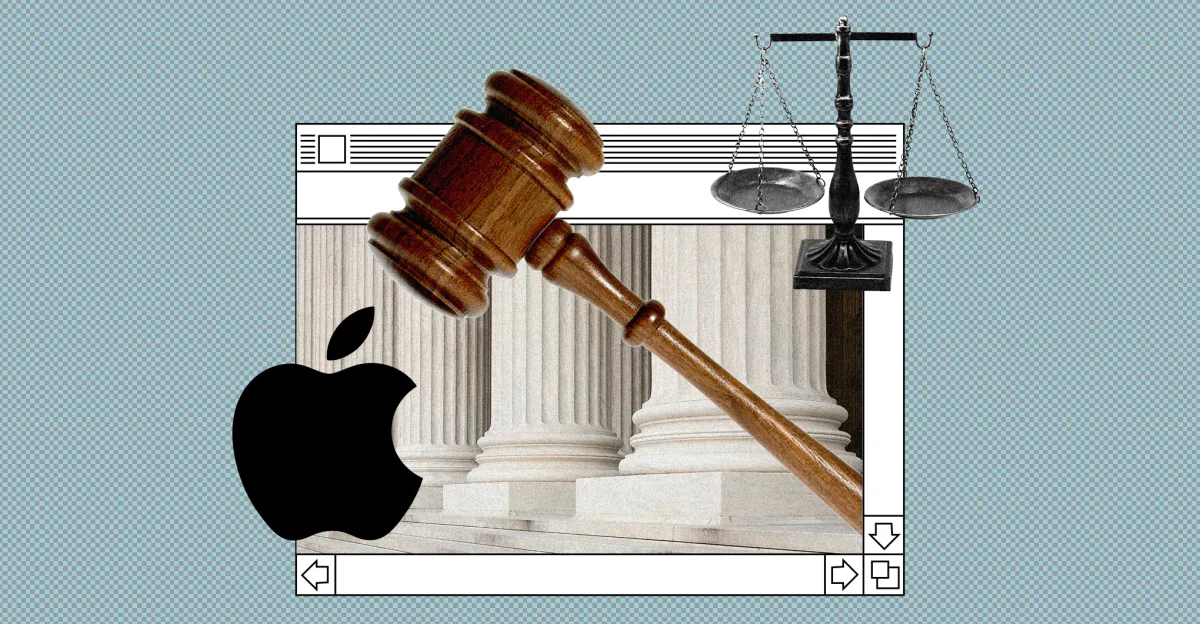
Apple is embroiled in a long and complex legal battle concerning its App Store, with numerous companies, including Epic Games, accusing it of monopolistic practices that stifle competition in the app market. These legal disputes are escalating in several countries, raising questions about the future of the iOS operating system.
The story began in 1998 when Microsoft was at the center of a legal case concerning monopolistic practices, targeting its smaller competitor, Apple. While Microsoft controlled over 80% of the personal computer market, Apple held a small share but threatened Microsoft's dominance through its multimedia player, QuickTime. The court ruled that Microsoft attempted to crush Apple, prompting it to abandon the release of QuickTime for Windows.
Details of the Current Legal Situation
Over the years, the situation has changed dramatically, with Apple now a leader in the mobile computing market, generating massive profits from every aspect of the iPhone. However, this success has come with increasing criticism from developers who accuse Apple of enforcing what is known as the "Apple Tax", the commission it imposes on apps in its store. There is also growing concern about Apple's lack of support for third-party app stores or downloading apps from unofficial sources, which its competitor Google allows.
In the past decade, Apple has joined the ranks of major companies facing legal actions related to monopolistic practices. One of its most prominent critics is Epic Games, which has filed lawsuits in several countries seeking to use its own payment system and launch a third-party app store on iOS. Governments from around the world, including the United States, European Union, Brazil, South Korea, and Japan, have joined these efforts to open Apple's digital gates.
Background & Context
Historically, Microsoft's case in the 1990s exemplified how governments dealt with antitrust issues in the tech industry. While Apple was unable to displace Microsoft from the personal computer market, it has now become the dominant force in the smartphone market. However, the current legal challenges remind us of that era, as the issues revolve around how major companies manage their ecosystems.
In 2020, one of Apple's most notable legal battles was the lawsuit filed by Epic Games in the United States, where it demanded the court to open iOS to third-party app stores and alternative payment methods. Although Apple achieved victories on some points, it faced court orders regarding allowing developers to add links to external payment systems.
Impact & Consequences
The implications of these cases extend beyond the companies involved, affecting how consumers use their technologies. With increasing legal pressures, Apple has begun to allow some changes, such as permitting third-party app stores in the European Union, but with additional restrictions that make it difficult for developers to transition to these platforms.
There are also significant financial implications, as Apple faces hefty fines for non-compliance with European laws, which could impact its future profits. As these disputes continue, the way the market operates may change drastically, opening the door for new competitors.
Regional Significance
In the Arab region, Apple is one of the leading companies in the smartphone market, enjoying significant popularity among users. However, the legal challenges it faces may affect how it delivers its services in the future. Pressure from governments could lead to changes in how the App Store operates, potentially paving the way for more innovations in the Arab market.
In conclusion, the ongoing legal battle over Apple's App Store remains a contentious issue, intersecting the interests of companies, users, and governments. These disputes are expected to continue influencing the tech industry, making it essential to monitor future developments.