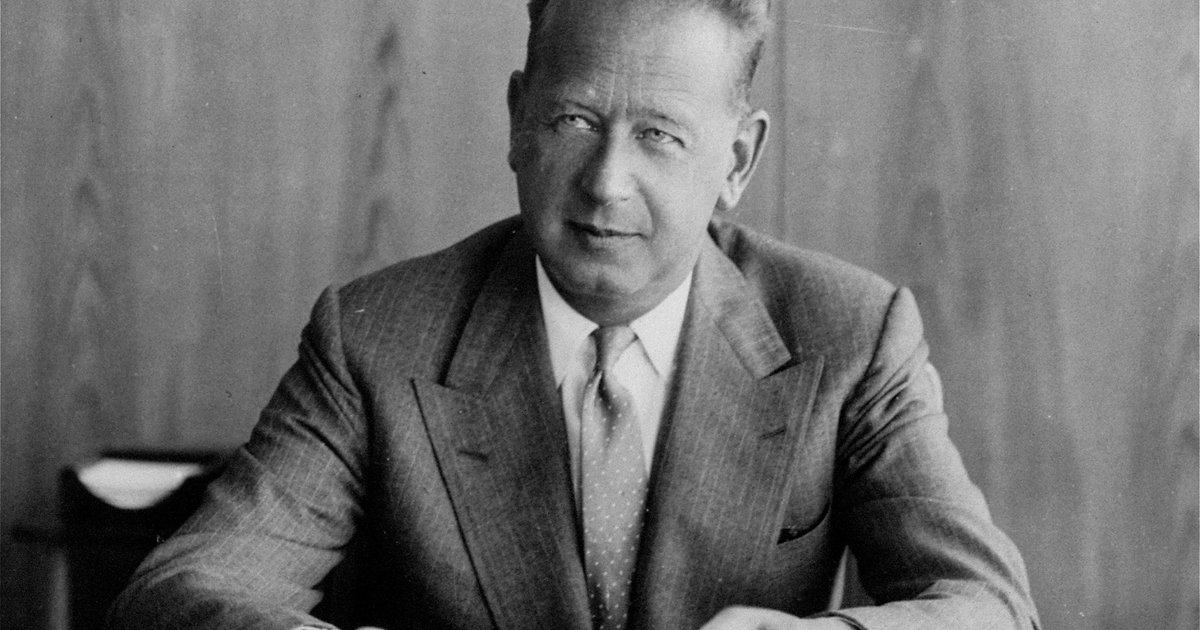
On April 7, 1953, Dag Hammarskjöld was appointed as the Secretary-General of the United Nations, becoming one of the most prominent figures in the organization's history. He led the UN during a critical period of global conflicts, focusing on enhancing international peace and security.
Hammarskjöld took office at a time when international relations were experiencing increasing tensions, particularly during the Cold War. He played a significant role in developing the concept of peacekeeping operations, launching numerous initiatives that contributed to reducing the intensity of conflicts.
Details of the Appointment
Hammarskjöld's appointment came after a period of instability in UN leadership, as the international community sought a figure capable of uniting global efforts. He had a strong academic background, having studied at Uppsala University in Sweden, and was known for his negotiation skills and conflict resolution abilities.
During his tenure, Hammarskjöld launched several initiatives that enhanced the UN's role in conflict resolution, including interventions in areas such as the Congo, where he led peacekeeping efforts under challenging conditions.
Background & Context
The history of the United Nations is filled with challenges, and Hammarskjöld's appointment occurred at a time when the organization faced criticism regarding its effectiveness. There was a general sentiment that the UN needed strong leadership capable of addressing the increasing global crises.
Before Hammarskjöld, the UN had witnessed several crises, including the Suez Crisis in 1956, which was a true test of the organization's ability to manage international conflicts. Hammarskjöld was fully aware of the importance of strengthening the UN's role during these critical times.
Impact & Consequences
Hammarskjöld's appointment had a significant impact on the trajectory of the United Nations. He contributed to the enhancement of the peacekeeping operations concept, leading to the establishment of many international missions that still exist today. He also helped lay the foundations for international cooperation in various fields, including human rights and sustainable development.
Moreover, he had a substantial influence on how countries dealt with crises, becoming a model for international leadership. He demonstrated that diplomacy could be an effective tool in conflict resolution, contributing to a shift in public perception towards the UN.
Regional Significance
In the Arab context, Hammarskjöld's appointment had a notable impact, as the region experienced numerous conflicts during his tenure. The UN under his leadership sought to play a mediating role in Arab conflicts, which contributed to enhancing dialogue among Arab states.
He also played a role in addressing Palestinian issues, striving to find peaceful solutions to the conflict, which helped strengthen the UN's role as an organization aiming to achieve peace in the region.
In conclusion, Dag Hammarskjöld remains a symbol of wise and effective leadership in the history of the United Nations. His legacy in promoting international peace and security is still present today, serving as a model in a world filled with challenges.