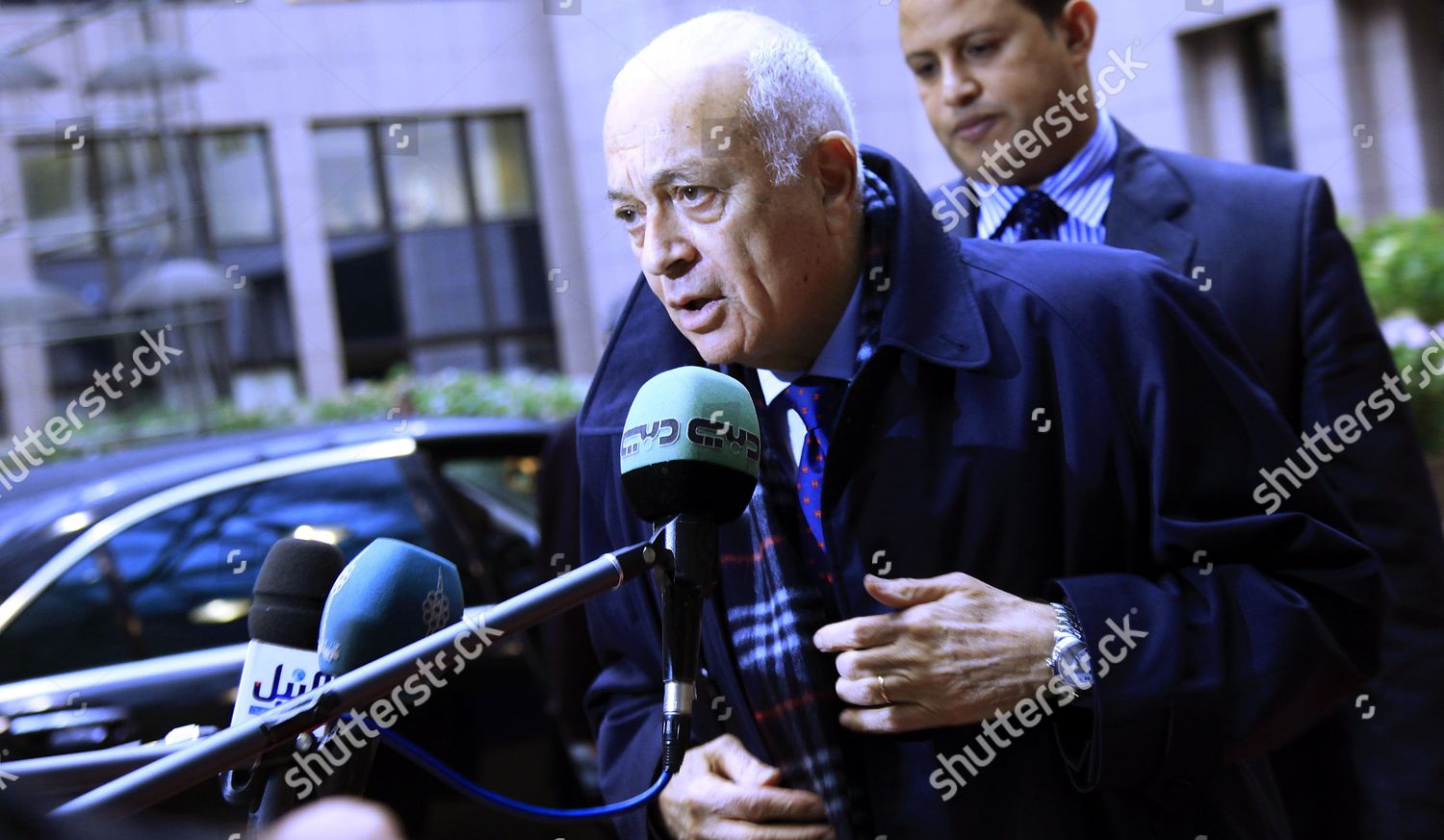
The Arab League has announced the appointment of Nabil Fahmy as the new Secretary-General, succeeding Ahmed Aboul Gheit, who held the position for six years. This change comes at a sensitive time for the Arab region, where political, economic, and security challenges have been on the rise.
Nabil Fahmy, who previously served as Egypt's Foreign Minister, has extensive experience in both Arab and international diplomacy. He is known for his deep understanding of regional issues, making him a suitable choice given the current circumstances.
Details of the Appointment
This move follows a series of meetings and consultations among member states of the Arab League, where there was a consensus on the need for new leadership capable of addressing the growing challenges. The decision was announced at a press conference held by former Secretary-General Ahmed Aboul Gheit, who expressed confidence in Fahmy's ability to lead the League in the upcoming phase.
Ahmed Aboul Gheit, who has held the position since 2016, witnessed many significant events during his tenure, including crises in Syria, Libya, and Yemen, as well as efforts for Arab reconciliation. His performance has been positively evaluated by some member states, while others criticized him for failing to achieve tangible progress on certain issues.
Background & Context
The Arab League was established in 1945 with the aim of enhancing cooperation among Arab countries in various fields. Over time, the League has faced numerous challenges, including political divisions among member states. These divisions have affected the League's effectiveness in dealing with regional crises.
In recent years, the Arab region has experienced significant transformations, including the Arab Spring revolutions, armed conflicts, and economic crises. These conditions have made it necessary for a Secretary-General to possess a clear strategic vision to address these challenges.
Impact & Consequences
The appointment of Nabil Fahmy may bring about positive changes for the Arab League. His experience in foreign policy could help enhance coordination among member states, potentially leading to a more effective response to crises. Additionally, having a well-known figure like Fahmy may restore confidence in the League and strengthen its role as a platform for dialogue and cooperation.
However, the biggest challenge remains how to overcome the political divisions among member states. Effective cooperation requires consensus among countries, which may be difficult under the current circumstances.
Regional Significance
The appointment of Nabil Fahmy comes at a critical time for the Arab region, where many countries face internal and external challenges. Strengthening Arab cooperation may be essential to address these challenges, whether they are economic or security-related.
Moreover, having new leadership in the League could contribute to rebuilding trust among Arab nations, potentially leading to improved relations between conflicting states. Amid ongoing crises, hope remains pinned on Fahmy's ability to achieve tangible progress in enhancing Arab cooperation.
In conclusion, the future of the Arab League hinges on the new leadership's ability to tackle current challenges. The success of Nabil Fahmy in his new role could have a significant impact on the stability of the Arab region in the coming years.