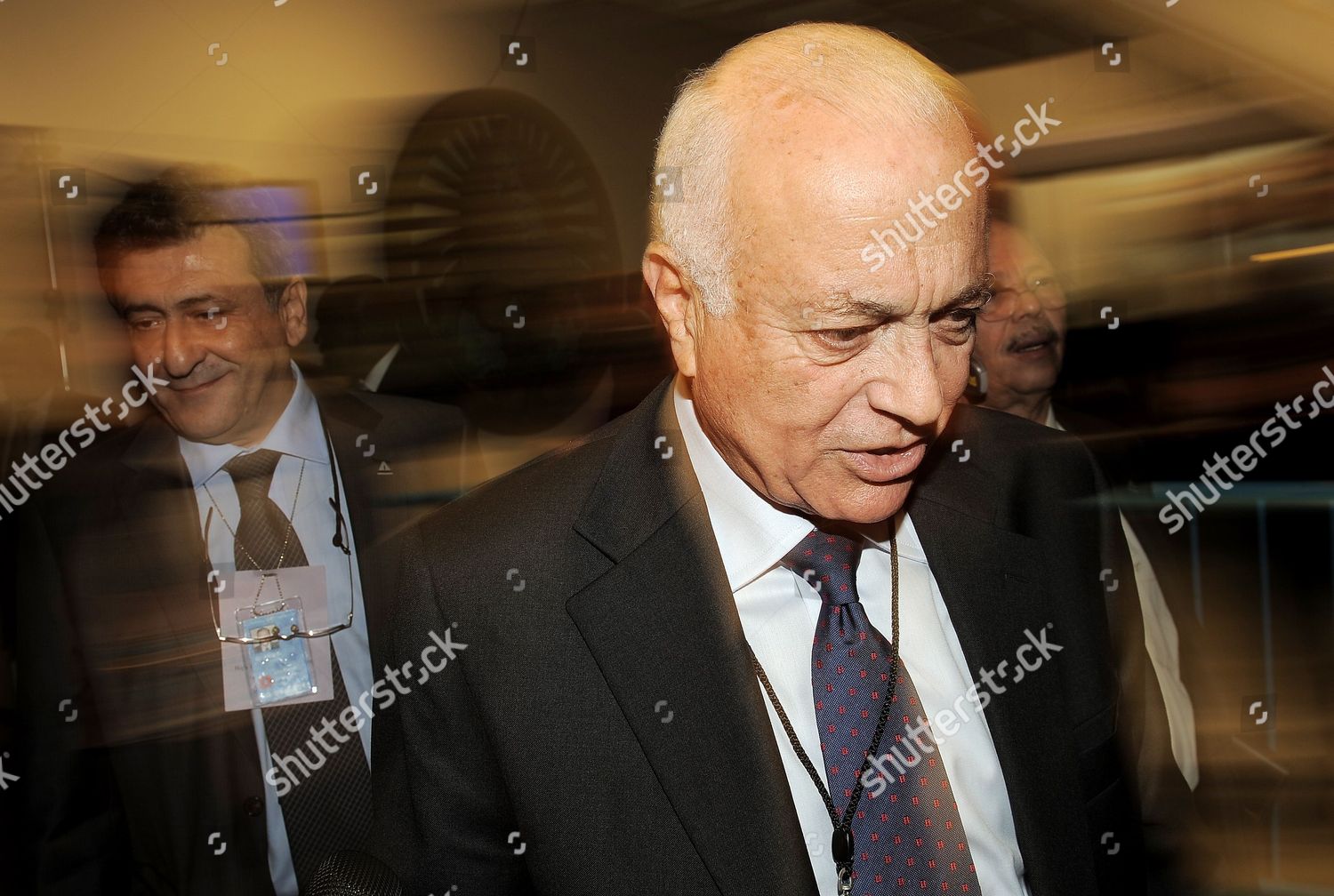
The Arab League has appointed Nabil Fahmy as its new Secretary-General, following unanimous support from member states of the organization. This decision comes at a time when the Arab region is facing multiple challenges that require greater coordination among member states.
Fahmy, who previously served as Egypt's Minister of Foreign Affairs, possesses extensive experience in foreign affairs and international relations, making him well-qualified to lead the Arab League during this critical phase. The decision was made during a meeting of Arab foreign ministers held in the Egyptian capital, Cairo.
Details of the Appointment
The appointment of Fahmy was unanimously voted on, reflecting a consensus among Arab countries on the need for strong leadership within the Arab League. Many ministers expressed their support for Fahmy, citing his ability to enhance joint Arab action and overcome the divisions faced by some countries.
This appointment comes at a time when the Arab region is grappling with significant challenges, including political and economic crises, necessitating a new strategic vision to address these issues. Fahmy has previously emphasized the importance of strengthening cooperation among Arab countries to confront these challenges.
Background & Context
The Arab League was established in 1945 with the aim of promoting cooperation among Arab countries in various fields. Since then, the League has played an important role in addressing Arab issues, such as the Palestinian conflict and crises in Syria, Libya, and Yemen. However, the League has faced criticism for its inability to achieve tangible progress on some of these issues.
Fahmy's appointment comes after a period of instability in leadership, as the former Secretary-General Ahmed Aboul Gheit held the position for an extended period. The League has faced significant challenges in recent years, including differing positions among member states on various issues.
Impact & Consequences
Fahmy's appointment is expected to have a significant impact on the trajectory of the Arab League, especially given the current challenges. Fahmy has the potential to revitalize joint Arab action and enhance coordination among member states, which may contribute to greater stability in the region.
Moreover, having a figure like Fahmy in leadership may help improve the image of the Arab League in the international community, potentially opening new avenues for cooperation with other countries. Strengthening Arab cooperation in areas such as economy and security could have a positive impact on development in the region.
Regional Significance
Fahmy's appointment comes at a sensitive time for the Arab region, where many countries are facing economic and political challenges. Strong leadership within the Arab League could help unify efforts to confront these challenges, enhancing the ability of Arab countries to work together.
Furthermore, enhancing Arab cooperation could contribute to improving economic and social conditions in member states, benefiting the Arab peoples. Joint efforts in areas such as trade and investment could contribute to achieving sustainable development in the region.
In conclusion, the appointment of Nabil Fahmy as Secretary-General of the Arab League represents an important step towards enhancing Arab cooperation in the face of current challenges. Everyone is looking forward to seeing how Fahmy will lead the League during this critical phase and what steps he will take to strengthen joint Arab action.