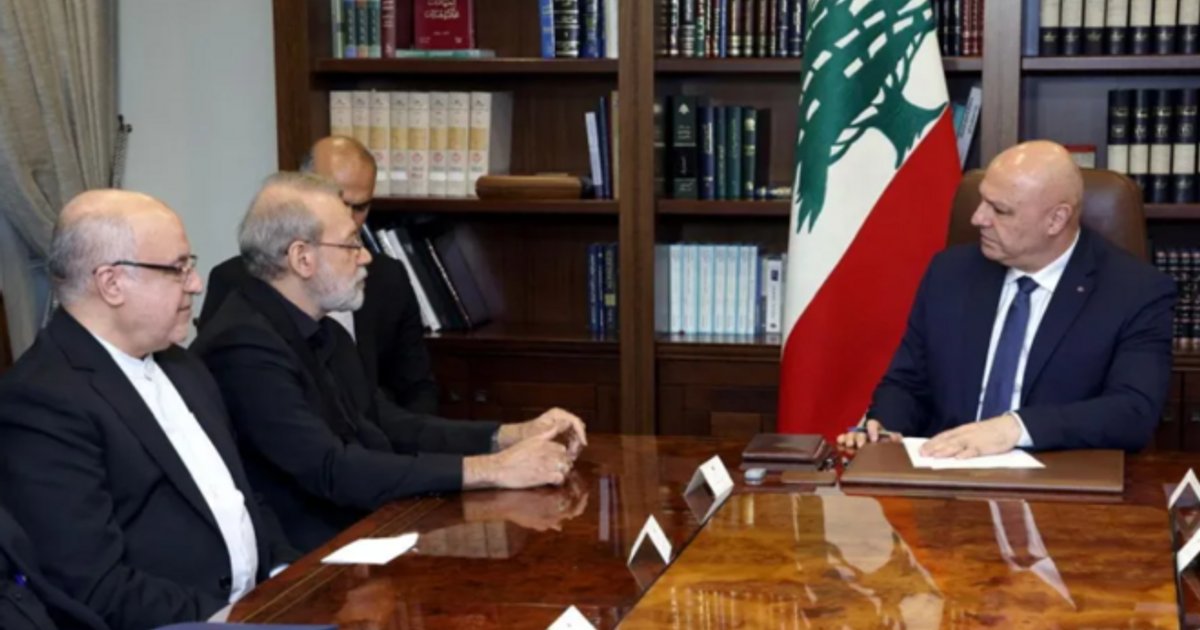
In a significant strategic move, a new Secretary General has been appointed to the Iranian National Security Council, raising questions about the impact of this change on negotiations with Washington. In an interview with Sky News Arabia, Sultan Al-Naimi, Director General of the Emirates Center for Strategic Studies and Research, provided an analysis that sheds light on the hidden dimensions of this decision.
The new appointment comes at a time when the threads of diplomacy intertwine with the complexities of Iranian internal decision-making. The National Security Council is considered one of the most prominent institutions that determine security and defense policies in Iran, and the appointment of a new Secretary General reflects a potential shift in the country’s strategies regarding regional and international issues.
Details of the Appointment
The announcement of the new Secretary General for the Iranian National Security Council, a role considered vital in directing the country’s foreign and security policy, comes at a critical time as Iran is engaged in negotiations with the United States regarding its nuclear program. This makes the appointment particularly significant in shaping the future of relations between the two countries.
Sultan Al-Naimi pointed out that this appointment could have direct effects on the course of negotiations, as it demonstrates Iran's desire to reassess its strategies in light of changing circumstances. This decision may signal Iran's attempt to strengthen its negotiating position in the face of international pressures.
Background & Context
Historically, Iran has seen changes in its security leadership during critical times, with these changes reflecting responses to internal and external pressures. In recent years, Iran has faced significant challenges, including economic sanctions and military tensions in the region. These circumstances have prompted Iranian leadership to reconsider its security and diplomatic strategies.
The new appointment aligns with Iran's efforts to bolster its position in negotiations with major powers, particularly the United States. After years of tensions, there appears to be an opportunity to reopen channels of dialogue, which requires new leadership capable of addressing these challenges.
Impact & Consequences
Changes in Iranian security leadership could significantly affect the course of negotiations with Washington. The Secretary General of the National Security Council is a pivotal figure in determining security policies, and thus any change in this position may imply a shift in the strategies being employed.
This appointment is likely to lead to a reassessment of Iranian positions on regional issues, such as the conflicts in Syria and Iraq, as well as relations with Iran's traditional allies like Hezbollah in Lebanon. Furthermore, this change may contribute to improving relations with some Arab countries seeking to reduce tensions with Tehran.
Regional Significance
The appointment of a new Secretary General for the Iranian National Security Council could have direct implications for security and stability in the Arab region. Any change in Iranian policy can affect regional balances, especially given the existing tensions in the Arabian Gulf.
This change may also open the door for new opportunities for cooperation between Iran and Arab countries if negotiations are approached positively. At the same time, Arab states must be cautious in monitoring developments, as any shifts in Iranian policy could impact their security and economic interests.
In conclusion, the question remains open regarding the extent to which this appointment will influence the future of Iranian-American relations and whether Iran will seize this opportunity to strengthen its position in negotiations. Challenges remain, but the change in leadership could be a step towards reassessing strategies amidst current circumstances.