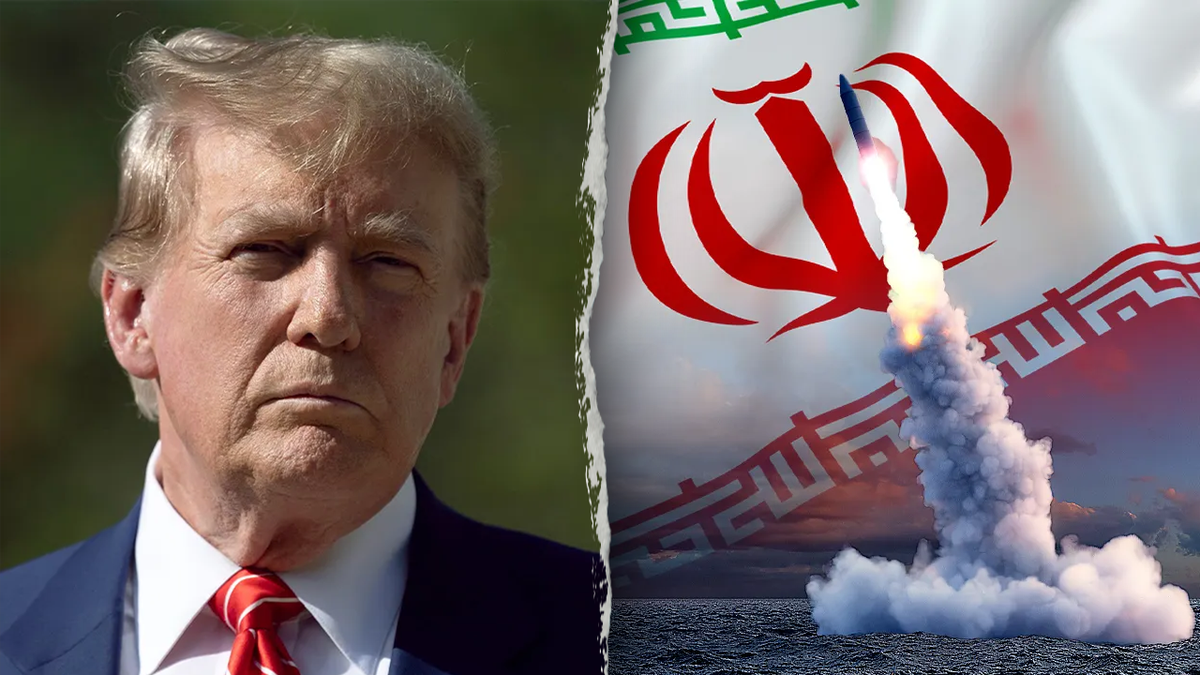
Pressure is mounting on U.S. President Donald Trump as the final deadline he set regarding the Iranian nuclear deal draws near, raising fears of a potential escalation in the region. In this atmosphere, attention is turning to the possibility of reaching an agreement that could alleviate tensions or the risk of military confrontation that could ignite the situation in the Middle East.
These developments come at a time when relations between the United States and Iran are increasingly strained, with Washington seeking to impose further sanctions on Tehran, while the latter responds with escalatory measures, including increasing uranium enrichment.
Details of the Situation
As the deadline set by Trump approaches, leaks about informal talks between the United States and Iran are increasing, with reports indicating that diplomatic efforts are being made to reach an agreement ensuring Iran does not develop nuclear weapons. However, these efforts face significant challenges due to the mutual distrust between the two parties.
Despite the pressures Iran is facing, Tehran has repeatedly asserted that it will not back down from its nuclear program, heightening the likelihood of escalation. Iranian officials have indicated that any attempt to pressure Iran could lead to unpredictable reactions.
Background & Context
The roots of the current crisis date back to 2015, when the nuclear agreement between Iran and major powers was reached, which led to the easing of sanctions on Tehran in exchange for curtailing its nuclear program. Following the United States' withdrawal from the agreement in 2018, sanctions were reimposed strictly, prompting Iran to take escalatory steps in its nuclear program.
Historically, relations between the United States and Iran have been tense since the Islamic Revolution in 1979, with the region experiencing numerous crises as a result of these tensions. As threats escalate, the region finds itself on high alert, with growing fears of military conflict that could draw other countries into the fray.
Impact & Consequences
If an agreement is not reached, the region could face unprecedented military escalation, with the United States potentially resorting to military force against Iran. This scenario could provoke violent reactions from Tehran, further increasing instability in the Middle East.
Moreover, any escalation could impact global oil prices, as Iran is one of the largest oil producers in the region. Thus, any threat to close the Strait of Hormuz, through which about 20% of global oil supplies pass, could lead to a significant rise in prices.
Regional Significance
Neighboring Arab countries, such as Iraq and Saudi Arabia, are on high alert due to these tensions. Any military escalation could directly affect the security and stability of these nations. There are also concerns that the conflict could lead to an influx of refugees and increased sectarian tensions in the region.
In conclusion, the situation in the Middle East remains complex, with political and economic interests intertwining. The most pressing question remains: Will diplomacy succeed in preventing an escalation of confrontation, or will the region enter a new spiral of conflict?