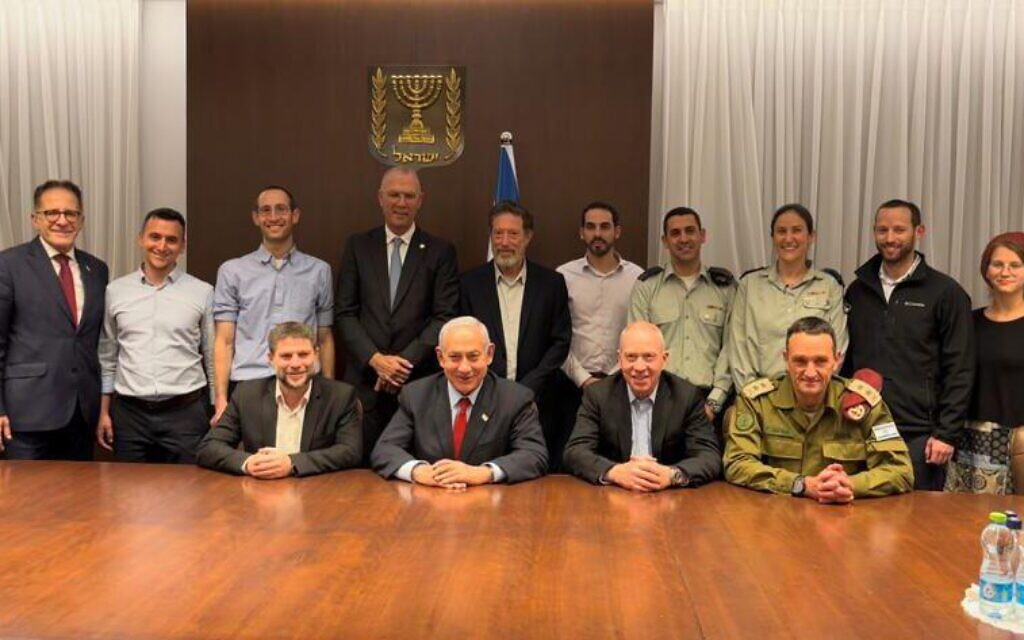
In the early hours of dawn, following a long day of discussions, the ruling coalition in Israel managed to pass a defense budget described as the largest in the country's history, amounting to 699 billion shekels. This decision came amid fierce political debate, where the opposition accused the government of seeking to purchase political loyalty instead of enhancing national security.
Under the pretext of "security necessity" and facing the "Iranian threat," Israeli Prime Minister Benjamin Netanyahu succeeded in passing a historic increase for the Ministry of Defense budget, which accounted for 20% of the total budget. However, these astronomical figures did not conceal the hidden costs paid to religious and far-right parties to ensure their support.
Details of the Event
In a scene resembling a political deal, the budget was passed by a majority of 62 votes to 55, after the ultra-Orthodox parties voted in favor. These parties had threatened not to support the budget unless progress was made in legislation exempting their community from military service.
The coalition, particularly the far-right Finance Minister Bezalel Smotrich, employed an aggressive rhetoric linking the budget vote to nationalism and security. He stated in the Knesset session: "We are passing this budget under a right-wing government that will complete its term in full." This tactic aims to strengthen control and delegitimize the opposition.
Background & Context
This parliamentary maneuver was planned secretly for a week, leading to confusion among the opposition, which mistakenly voted overwhelmingly with the coalition. The vote took place in an atmosphere of security tension, with sirens sounding warnings of potential attacks.
The direct external threat contributed to the session being suspended several times, increasing pressure on Knesset members. According to political analyses, this budget was passed amid psychological pressure, facilitating the coalition's "secret maneuvers."
Impact & Consequences
This budget has sparked widespread controversy, with opposition leader Yair Lapid calling it "the largest theft," while former Prime Minister Naftali Bennett warned of a "night raid" on the future of the Israeli economy. These statements reflect the frustration within the opposition.
Moreover, this budget is not merely a financial tool; it represents a political document that enhances military spending amid regional tensions, which could have repercussions on the situation in the West Bank.
Regional Significance
The approval of this budget reflects the trends of the right-wing government led by Netanyahu, focusing on increasing military spending and expanding settlements in the West Bank. This could exacerbate security conditions in the region and complicate the Israeli-Palestinian conflict.
In conclusion, this budget appears to mark a turning point in Israeli politics, raising questions about the future of national security and the economy under current circumstances.