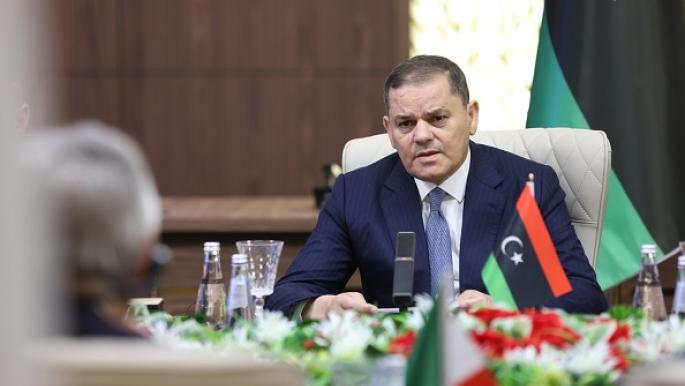
Libya's Prime Minister Abdul Hamid Dbeibeh announced the approval of the first unified state budget worth $26.3 billion. This announcement comes after years of financial division that negatively impacted the Libyan economy and exacerbated social and political crises.
Dbeibeh described this achievement as historic, noting that the new budget will contribute to enhancing financial stability and meeting citizens' needs. He also emphasized the importance of this step in unifying financial institutions in the country, facilitating the planning and implementation of development programs.
Event Details
The allocated budget includes several key items, such as support for vital sectors like health, education, and infrastructure. A portion of the budget has also been designated to enhance security and stability in the country, which is essential given the security challenges Libya faces.
Dbeibeh also pointed out that the budget was prepared in collaboration with various stakeholders, reflecting the government's desire to achieve national consensus on financial issues. This collaboration is a positive step towards building trust between the government and citizens.
Background & Context
In recent years, Libya has experienced a sharp division in financial institutions, with two competing governments vying for power, leading to widespread corruption and mismanagement of resources. This situation has significantly affected the national economy, with oil production declining and living conditions deteriorating for citizens.
The efforts made by the National Unity Government aim to rebuild the Libyan economy and enhance stability. This budget comes as part of a comprehensive plan aimed at improving living conditions and providing job opportunities.
Impact & Consequences
The approval of the unified budget could have positive effects on the Libyan economy, as it is expected to attract foreign investments and boost citizens' confidence in the government. Additionally, improving economic conditions may lead to greater political stability, helping to end internal conflicts.
However, challenges remain, as the government must work to implement the budget effectively and avoid corruption that could hinder achieving the desired goals. The success of this budget depends on the government's ability to manage financial resources efficiently and transparently.
Regional Significance
Libya is considered one of the resource-rich countries in the region, and the approval of a unified budget could have positive effects on neighboring countries. Stability in Libya can contribute to enhancing economic cooperation among Arab countries and bolster regional security.
Moreover, the success of the Libyan government in achieving economic stability could serve as a model for other countries facing similar crises. This achievement could open new avenues for Arab cooperation in various fields.
In conclusion, the approval of the unified budget represents an important step towards achieving stability in Libya. It requires the government to work diligently to achieve the outlined objectives, which will contribute to improving citizens' lives and building a better future for the country.