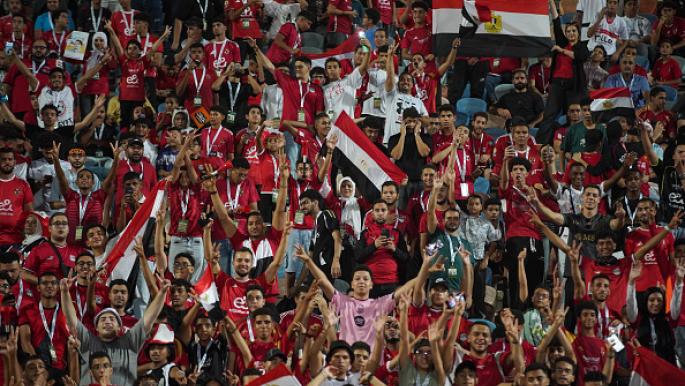
The eight Arab teams participating in the 2026 World Cup, which will be held in the United States, Canada, and Mexico, are gearing up to receive substantial support from the Arab communities spread across these nations. This global sporting event represents a historic opportunity to enhance cultural and sporting connections between Arabs in the diaspora and their home countries.
Arab communities in North America are widely distributed, with significant numbers residing in the United States and Canada, allowing Arab teams to benefit from a broad fan base. The matches are expected to witness great enthusiasm from Arab supporters, who will attend to cheer for their teams in various cities hosting the games.
Event Details
The 2026 World Cup is an exceptional event, as it will be held for the first time in three countries, increasing the challenges and opportunities for the participating teams. The Arab teams, which include Egypt, Saudi Arabia, Tunisia, Morocco, Algeria, the UAE, Oman, and Qatar, aim to deliver outstanding performances that reflect their rich sporting history.
The tournament is anticipated to see extensive participation from fans, reflecting modern trends in global football, where communities play a vital role in supporting their national teams. Additionally, the presence of players of Arab descent in some global teams enhances the communities' chances to express their support.
Background & Context
Historically, Arab communities have played a significant role in promoting Arab culture abroad, particularly in the fields of sports and arts. The 2026 World Cup represents a golden opportunity to highlight these communities, as they can contribute to enhancing the Arab identity overseas.
Major sporting events like the World Cup also help strengthen relations between countries. Through this tournament, Arab communities can showcase their culture and history, thereby enhancing their presence in American and Canadian society.
Impact & Consequences
The 2026 World Cup is expected to have a significant impact on relations between Arab countries and their diaspora. This event may contribute to strengthening cultural and sporting cooperation, leading to an improved image of Arabs abroad.
Moreover, the fan support from Arab communities could positively affect the performance of the teams, as the presence of supporters can have a substantial psychological impact on players, boosting team spirit and increasing chances of success.
Regional Significance
This tournament is an opportunity to enhance national pride among Arabs, as it can help unify efforts among Arab nations. Success in this tournament could reflect the development of sports in the Arab world and enhance its status on the international stage.
In conclusion, the 2026 World Cup represents a historic opportunity for Arab communities to show their support for their teams, reflecting collective spirit and solidarity among Arabs in the diaspora. The success of Arab teams in this tournament could have positive effects on social, cultural, and sporting levels.