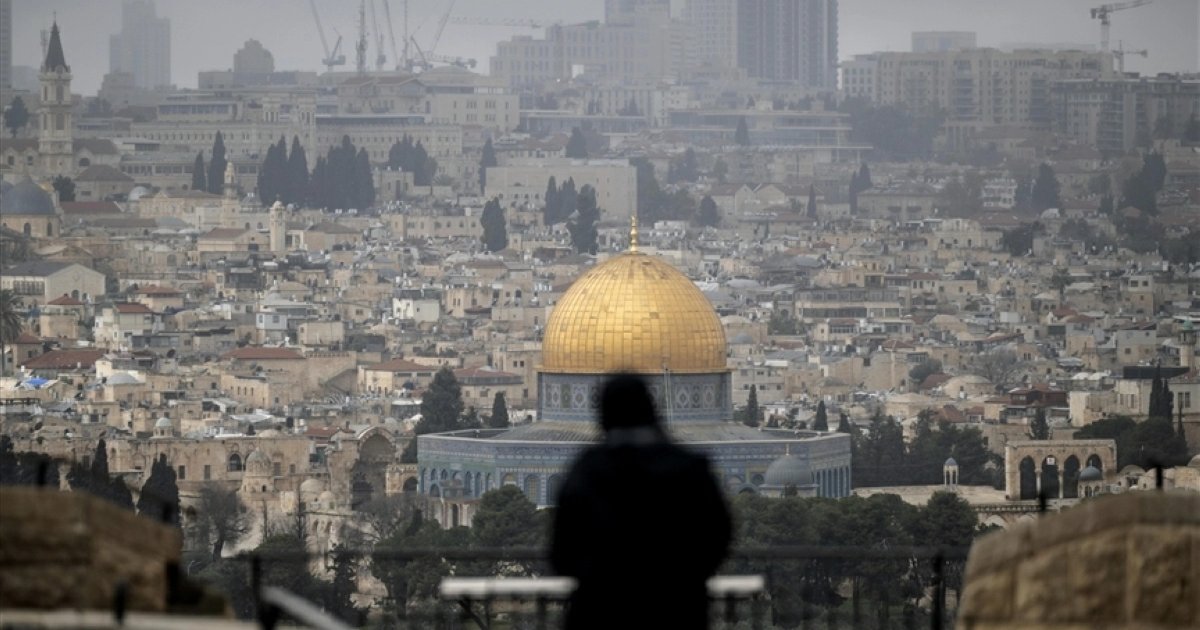
On Monday, Arab foreign ministers and Islamic leaders condemned the ongoing Israeli restrictions on freedom of worship in occupied Jerusalem, where Muslim worshippers have been barred from accessing Al-Aqsa Mosque, and Christians have faced limitations in reaching the Church of the Holy Sepulchre. This statement came at the conclusion of a meeting of foreign ministers in Riyadh, which included representatives from Saudi Arabia, Egypt, Jordan, Pakistan, Indonesia, Turkey, Qatar, and the United Arab Emirates.
The ministers, in their statement, rejected any Israeli attempts to alter the historical and legal status of Islamic and Christian holy sites in Jerusalem, stressing that these actions constitute a clear violation of international law, including international humanitarian law, and represent an assault on the right to access places of worship.
Details of the Event
In the statement, the ministers expressed their deep concern regarding the restrictions imposed on Muslims and Christians, including the prevention of Christians from freely accessing the Church of the Holy Sepulchre to perform their religious rituals. They emphasized the necessity of respecting the historical and legal status of Jerusalem and its sanctities, noting that Israel, as the occupying power, does not have sovereignty over occupied Jerusalem.
The ministers also condemned the continued closure of Al-Aqsa Mosque to worshippers for a consecutive 30 days, including during the holy month of Ramadan, considering this a serious violation of international law and Israel's obligations as an occupying power. They warned of the dangers posed by these measures to regional and international peace and security.
Context and Background
Historically, Al-Aqsa Mosque is regarded as one of the holiest sites for Muslims, covering an area of 144 dunams. The Islamic Waqf Department in Jerusalem, affiliated with the Jordanian Ministry of Awqaf, manages the mosque and organizes access to it. However, the increasing Israeli measures have raised widespread concern in the Arab and Islamic world, as these actions are seen as a threat to the status quo in the holy city.
These restrictions coincide with escalating tensions in the region, where recent years have witnessed numerous events that have exacerbated the situation in Jerusalem. There have been repeated calls from Arab and Islamic nations for the necessity of respecting the rights of worshippers to access their places of worship.
Consequences and Impact
These restrictions indicate a potential escalation in tensions between Palestinians and Israelis, as they could lead to strong popular reactions in the Arab and Islamic world. Furthermore, these measures may negatively impact peace efforts in the region, as Jerusalem is a central issue in the Israeli-Palestinian conflict.
Moreover, the continued restrictions on worship may amplify feelings of resentment and anger among Muslims and Christians, potentially worsening the security situation in the city. The ministers warned that these actions could have dire consequences for regional and international security.
Impact on the Arab Region
These events are of significant importance to Arab countries, as the ongoing tensions in Jerusalem directly affect stability in the region. Many Arab nations have expressed solidarity with the Palestinians in the face of these restrictions, reflecting a unified Arab stance on the Palestinian issue.
At the conclusion of the meeting, the ministers called on the international community to take a firm stance to pressure Israel to end its violations and illegal practices against Islamic and Christian holy sites. These calls reflect the commitment of Arab and Islamic nations to protect the rights of worshippers and ensure freedom of worship for all.