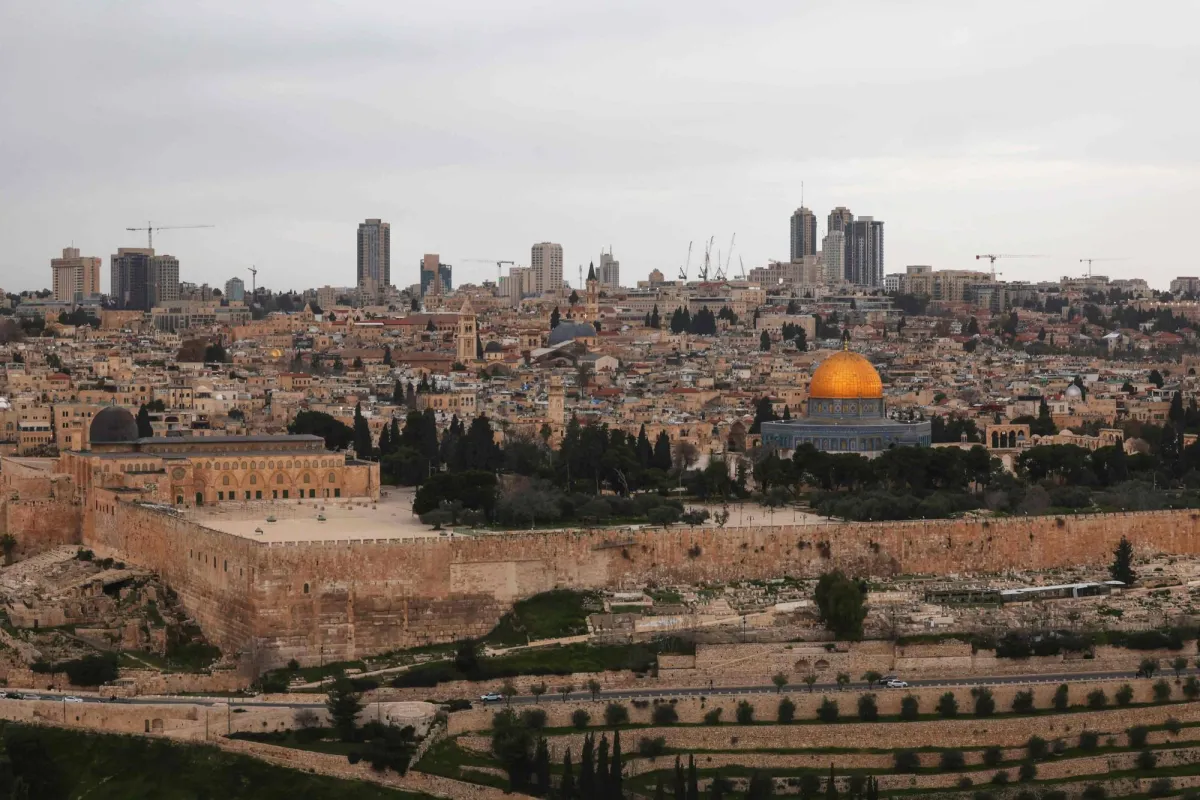
Today, Arab and Islamic countries condemned the ongoing restrictions imposed by Israel on the freedom of worship for Muslims and Christians in occupied Jerusalem. Ministers asserted that these actions constitute a blatant violation of international law, as they include preventing Muslim worshippers from accessing the Al-Aqsa Mosque and barring the Latin Patriarch in Jerusalem from entering the Church of the Holy Sepulchre to conduct Palm Sunday mass.
In a joint statement, the foreign ministers of Saudi Arabia, Egypt, Jordan, Pakistan, Indonesia, Turkey, Qatar, and the United Arab Emirates reiterated their condemnation of any Israeli attempts to alter the historical and legal status quo in the Islamic and Christian holy sites in Jerusalem. The ministers emphasized that Israeli actions represent an infringement on the unrestricted right to access places of worship.
Details of the Incident
The ministers stressed their absolute rejection of the illegal Israeli measures against Muslims and Christians in Jerusalem, including the restrictions imposed on free access to the Church of the Holy Sepulchre. They underscored the necessity of respecting the historical and legal status quo in Jerusalem, pointing out that Israel has no sovereignty over the occupied city.
The ministers also expressed their condemnation of Israel's continued closure of the Al-Aqsa Mosque doors to worshippers for a consecutive 30 days, including during the holy month of Ramadan. They considered these restrictions to be a serious violation of international law, warning of their risks to regional and international peace and security.
Background & Context
Historically, Jerusalem has witnessed numerous tensions due to the Israeli-Palestinian conflict, as the city is a significant religious center for both Muslims and Christians. The Al-Aqsa Mosque, regarded as one of the holiest sites for Muslims, is under continuous pressure from Israeli authorities, raising widespread concern in the Arab and Islamic world.
The restrictions on freedom of worship are not new, but they have notably escalated in recent years, leading to strong reactions from Arab and Islamic countries. These events occur within a broader context of political and security tensions in the region, where fears are increasing regarding their impact on regional security.
Impact & Consequences
These restrictions highlight the necessity for international intervention to pressure Israel to halt its violations. The escalation in Jerusalem could exacerbate security situations and heighten tensions between Palestinians and Israelis, which may negatively affect the overall stability of the region.
Moreover, the continuation of these Israeli policies may hinder peace efforts and increase feelings of frustration among Palestinians, potentially leading to a rise in violence in the future. It is crucial for Arab and Islamic countries to adopt a unified stance to confront these violations.
Regional Significance
These events serve as a wake-up call for Arab countries, reflecting the ongoing challenges they face in supporting Palestinian rights. Arab and Islamic unity in confronting these violations is essential to preserving historical and religious rights in Jerusalem.
In conclusion, the international community must assume its responsibilities towards protecting the rights of worship in Jerusalem and work towards ending the Israeli occupation. Addressing these violations is a fundamental part of the efforts aimed at achieving peace and stability in the region.