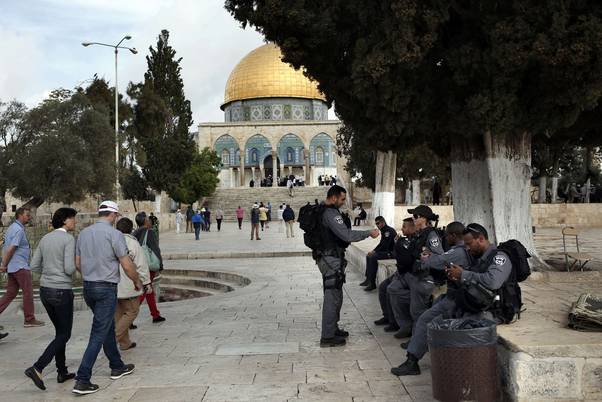
Foreign ministers from Saudi Arabia and several Arab and Islamic nations have strongly condemned Israel's ongoing restrictions on the freedom of worship for Muslims and Christians in occupied Jerusalem. This condemnation came during their meeting held in Riyadh, where they emphasized the necessity of respecting everyone's rights to practice their religious rituals.
The ministers stressed that these restrictions represent a blatant violation of fundamental human rights and contradict the religious and humanitarian values that guarantee freedom of worship. They also expressed deep concern over the continued escalation of Israeli measures targeting holy sites, which threatens security and stability in the region.
Details of the Meeting
During the meeting, a series of reports documenting Israeli violations in Jerusalem were reviewed, including restrictions imposed on worshippers' access to Al-Aqsa Mosque and the Church of the Holy Sepulchre. The ministers confirmed that these practices contradict international laws, calling on the international community to take a firm stance against these violations.
They also highlighted the importance of Arab and Islamic unity in facing these challenges, urging ministers to intensify diplomatic efforts to protect Palestinian rights in Jerusalem. A proposal was made to form a joint committee to monitor these violations and provide necessary support to the residents of Jerusalem.
Background & Context
Jerusalem is considered one of the most sensitive cities in the Arab-Israeli conflict, housing sacred religious sites for both Muslims and Christians. Since the city's occupation in 1967, Jerusalem has witnessed numerous tensions and disputes over worship rights and control of holy sites.
Israeli violations in Jerusalem are on the rise, with restrictions imposed on worshippers' access, especially during significant religious occasions. These policies have sparked angry reactions from Arab and Islamic nations, which view these practices as attempts to alter the status quo in the holy city.
Impact & Consequences
Israeli restrictions on freedom of worship directly affect relations between Israel and Arab countries, contributing to escalating tensions and increasing feelings of resentment in the region. Furthermore, these violations may lead to widespread popular reactions, complicating the security situation in Jerusalem.
Moreover, the continuation of these policies could negatively impact peace efforts in the region, as they weaken trust between the involved parties and complicate any future negotiations. Maintaining freedom of worship is essential for achieving lasting peace in the region.
Regional Significance
This issue holds significant importance for Arab countries, as Jerusalem symbolizes Arab and Islamic identity. Any violation of worship rights in the holy city provokes strong reactions from Arab governments and peoples, reflecting their commitment to the Palestinian cause.
Additionally, these events contribute to strengthening Arab and Islamic solidarity, as countries unite in their stance against Israeli violations. Supporting the residents of Jerusalem in facing these challenges reflects the significance of the Palestinian cause in the Arab conscience.
In conclusion, the issue of freedom of worship in Jerusalem remains a central focus in the Arab-Israeli conflict, necessitating continuous efforts from the international community to protect the rights of all religions in the holy city.