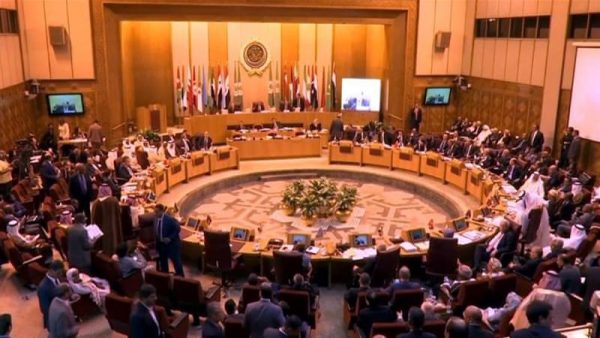
The Arab League Council, during its recent 165th ordinary session, condemned the Iranian attacks on the security and sovereignty of several Arab states. This condemnation was articulated in an official statement issued by the council during the meeting, where it stressed the necessity of taking effective steps to protect Arab countries from these violations.
Arab foreign ministers expressed their deep concern regarding Iranian actions that negatively impact regional stability, emphasizing the importance of Arab solidarity in facing these challenges. The council also called for enhancing cooperation among Arab states to address any threats that may arise to their national security.
Details of the Meeting
During the meeting attended by Arab foreign ministers, several important issues were discussed, including the Iranian attacks that represent a clear violation of the sovereignty of Arab states. It was noted that these attacks include interventions in the internal affairs of countries such as Iraq, Syria, and Lebanon, complicating the security situation in the region.
There was a strong emphasis on the necessity for unified positions among Arab states regarding these violations, with proposals to form joint committees to monitor the situation and provide regular reports on Iranian attacks.
Background & Context
The roots of tensions between Iran and Arab states date back decades, with the region witnessing numerous conflicts and disputes in which Iran has played a role. Since the Iranian Revolution in 1979, Iran has expanded its influence in the region, leading to heightened tensions with Arab countries, especially those adopting policies against Iranian interventions.
These policies manifest in Iran's support for armed groups in Iraq, Syria, and Lebanon, which many Arab states view as a direct threat to their security and stability. In recent years, there has been an escalation in these attacks, prompting the Arab League Council to take a firm stance on the matter.
Impact & Consequences
The escalation of Iranian attacks could exacerbate the security situation in the region, threatening peace and stability. Additionally, these attacks may increase divisions among Arab states, as positions may vary on how to deal with Iran.
Moreover, the continuation of these attacks could negatively impact relations between Arab countries and Iran, increasing the likelihood of new conflicts in the region. Therefore, addressing these attacks requires strong Arab coordination and effective strategies to deal with the threats.
Regional Significance
This stance by the Arab League Council represents an important step towards enhancing Arab unity in the face of common challenges. Confronting Iranian attacks necessitates concerted efforts and strengthened cooperation among Arab states.
This move may also encourage other Arab countries to adopt firmer positions against Iranian interventions, potentially leading to the formation of a united Arab front against these violations. Ultimately, enhancing security and stability in the region requires an effective response from all Arab states.