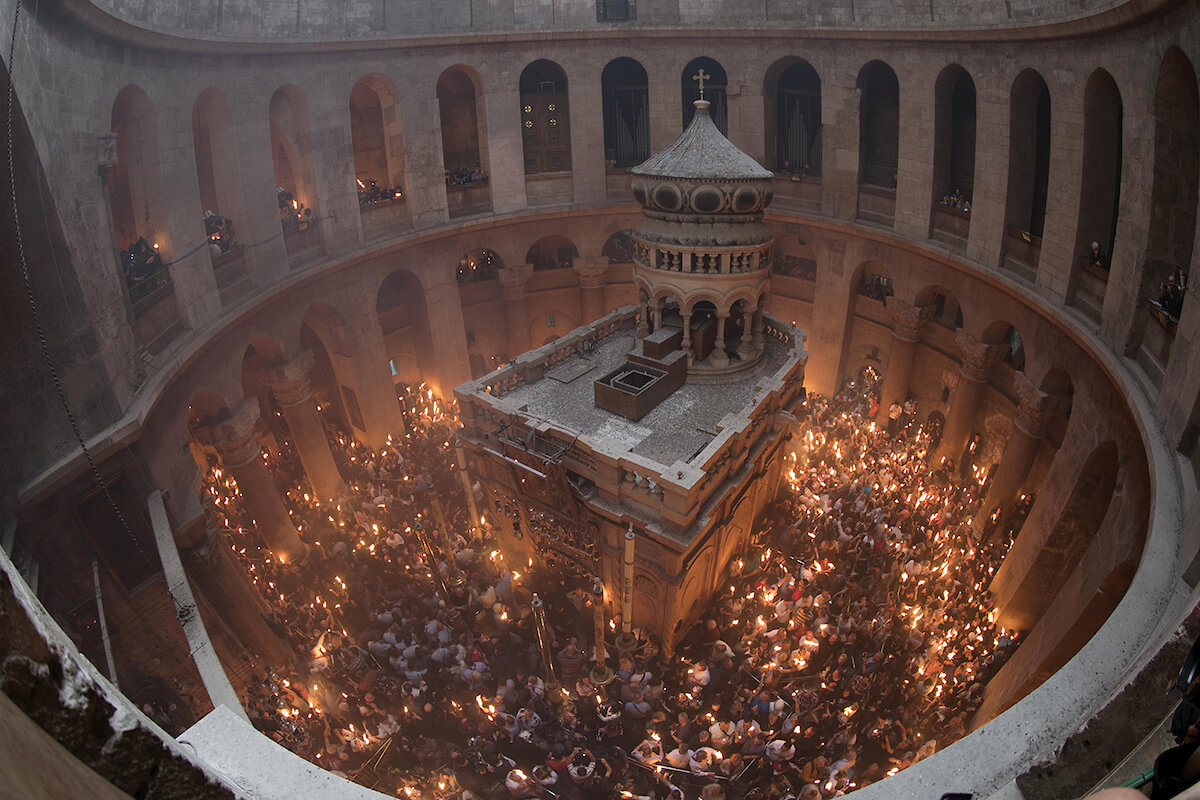
Foreign ministers from Saudi Arabia and several Arab and Islamic countries have strongly condemned Israel's ongoing restrictions on the freedom of worship for Muslims and Christians in occupied Jerusalem. This condemnation came during their meeting held in the capital, Riyadh, where they emphasized the importance of respecting the rights of religions to practice their rituals freely and safely.
In this context, the ministers expressed their deep concern regarding Israeli measures that restrict the movement of worshippers and prevent them from accessing holy sites, negatively impacting freedom of worship and increasing tensions in the region. They pointed out that these restrictions contradict international laws and human rights, calling on the international community to intervene immediately to stop these violations.
Details of the Meeting
During the meeting, several violations faced by worshippers in Jerusalem were reviewed, including intensified searches, arrests, and the prevention of worshippers from entering Al-Aqsa Mosque. The necessity of enhancing diplomatic efforts to protect holy sites was also emphasized, along with the need to support Palestinians in their struggle for their legitimate rights.
The ministers called for the importance of coordination among Arab and Islamic countries to face these challenges, affirming that Arab and Islamic unity is the way to achieve common goals in defending Palestinian rights.
Historical Context
Historically, Jerusalem has witnessed ongoing tensions due to the Israeli-Palestinian conflict, as the city is considered sacred by Muslims, Christians, and Jews alike. The intensity of these tensions has increased in recent years, especially with the rise of Israeli settlements in Palestinian territories, exacerbating the humanitarian and political situation.
The restrictions imposed on freedom of worship are part of Israeli occupation policy, which aims to control the holy city and alter its demographic reality. These policies have sparked angry reactions from the international community, which has repeatedly called for the need to respect Palestinian rights.
Impact and Consequences
Israeli restrictions on freedom of worship directly affect relations between Arab countries and Israel, contributing to increased resentment and anger in the Arab street. These violations may also lead to escalating tensions in the region, threatening regional security and stability.
Moreover, the continuation of these policies could negatively impact peace efforts, as many believe that peaceful solutions will not be achieved unless Palestinian rights are respected and freedom of worship is ensured for all.
Significance for the Arab Region
The Palestinian issue is central to Arabs, transcending the borders of Palestine to affect relations among Arab countries. The ongoing Israeli violations enhance feelings of Arab solidarity with Palestinians and increase calls for unity to face common challenges.
In conclusion, hope remains pinned on the international community to pressure Israel to stop these violations and ensure Palestinians' rights to practice their religious rituals freely and safely. Achieving peace in the region requires a genuine commitment from all parties involved.