Recent developments suggest the possibility of forming an Arab stability sphere following geopolitical shifts in relations between Arab states and Iran. These dynamics could reshape the regional landscape.
In recent years, relations between Arab states and Iran have undergone significant changes, shifting focus from conflicts to opportunities for cooperation. These transformations may contribute to enhancing stability in the region, raising questions about the potential formation of new alliances that bolster security and development.
Details of the Event
Attention is turning to what is known as the "Iranian Crescent", which includes countries such as Iraq, Syria, and Lebanon, and has been considered a hub of Iranian influence in the region. In contrast, the "Arab Arc" is viewed as a potential alliance among Arab nations to confront common challenges.
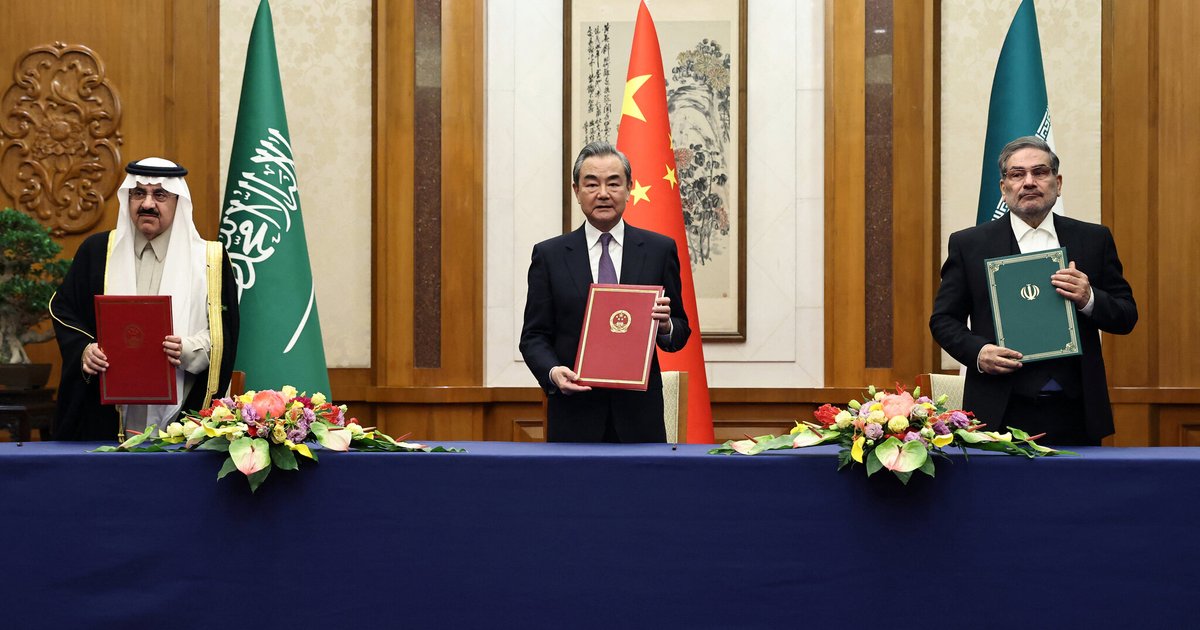
Recent shifts, including rapprochement between some Arab countries and Iran, may open new avenues for cooperation. For instance, diplomatic meetings between Saudi Arabia and Iran demonstrate a desire to ease tensions, which could contribute to greater stability in the region.
Background & Context
Historically, relations between Arab states and Iran have been tense, especially following the 1979 Iranian Revolution. Regional conflicts, such as the wars in Syria and Yemen, have exacerbated these tensions. However, global political and economic changes, along with internal challenges faced by some countries, may prompt parties to reassess their strategies.
In recent years, some Arab nations have begun to reconsider their policies towards Iran, seeking to achieve a balance between their national interests and regional security. This trend could enhance opportunities for dialogue and cooperation, contributing to a more stable environment.
Impact & Consequences
If Arab states succeed in forming a strong alliance, it could lead to a radical change in regional dynamics. This alliance could enhance the ability of Arab nations to confront shared challenges, such as terrorism and external interventions.
Moreover, stability in the region could attract foreign investments and bolster economic development. Additionally, cooperation between Arab states and Iran may help address humanitarian issues, such as conflicts and displacement.
Regional Significance
The formation of an Arab stability sphere could enhance regional security and improve relations among Arab countries. This could help reduce tensions and increase opportunities for economic and social development.
Ultimately, the question remains open regarding the ability of Arab states to achieve this stability. Challenges persist, but opportunities also exist. Cooperation and understanding may be the key to achieving a better future for the region.