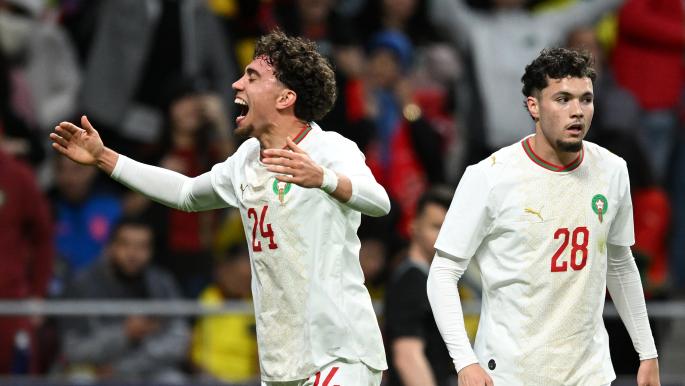
Arab teams, including Morocco and Jordan, are gearing up for the 2026 World Cup, which will be held in the United States, Mexico, and Canada starting from June 11. These preparations come as part of the teams' efforts to achieve outstanding results in the largest global sporting event.
The Arab teams are striving to enhance their readiness through training camps and friendly matches, where coaches aim to improve player performance and develop playing strategies. Recently, an exciting draw occurred between the Moroccan and Jordanian teams, reflecting the competitive level among Arab teams.
Details of the Event
As part of their preparations, the Moroccan team played a friendly match against their Jordanian counterparts, which ended in a draw. This tie reflects the significant efforts made by both teams in preparing for the tournament. Each team aims to improve its performance and present its best in international arenas.
The Moroccan team, which has achieved positive results in previous tournaments, seeks to continue its successful journey, while the Jordanian team hopes to achieve new accomplishments that enhance its status in the sports arena.
Background & Context
Historically, Arab teams have had varied participations in the World Cup, with the most notable being the Moroccan team's participation in the 1986 World Cup, where it achieved the milestone of reaching the second round. Meanwhile, the Jordanian team aspires to fulfill its dream of reaching the global tournament, as it has never qualified before.
These preparations come at a critical time, as each team seeks to make the most of the preparation period. In recent years, Arab teams have shown remarkable development, raising fans' hopes for positive results in the upcoming World Cup.
Impact & Consequences
The World Cup attracts widespread public attention, and the good performance of Arab teams is an important factor in boosting national spirit and increasing fan support. Additionally, positive results could contribute to improving the image of Arab football on the international stage.
Moreover, these results can influence clubs' investments in Arab players, enhancing their opportunities to move to larger and more competitive leagues.
Regional Significance
Football is one of the most popular sports in the Arab world, with a large following from fans. Therefore, the success of Arab teams in the World Cup can have a positive impact on Arab communities, enhancing national spirit and solidarity among peoples.
These preparations also reflect the efforts made to develop football in the region, which may contribute to improving the overall level of the game and motivating new generations to engage in sports.