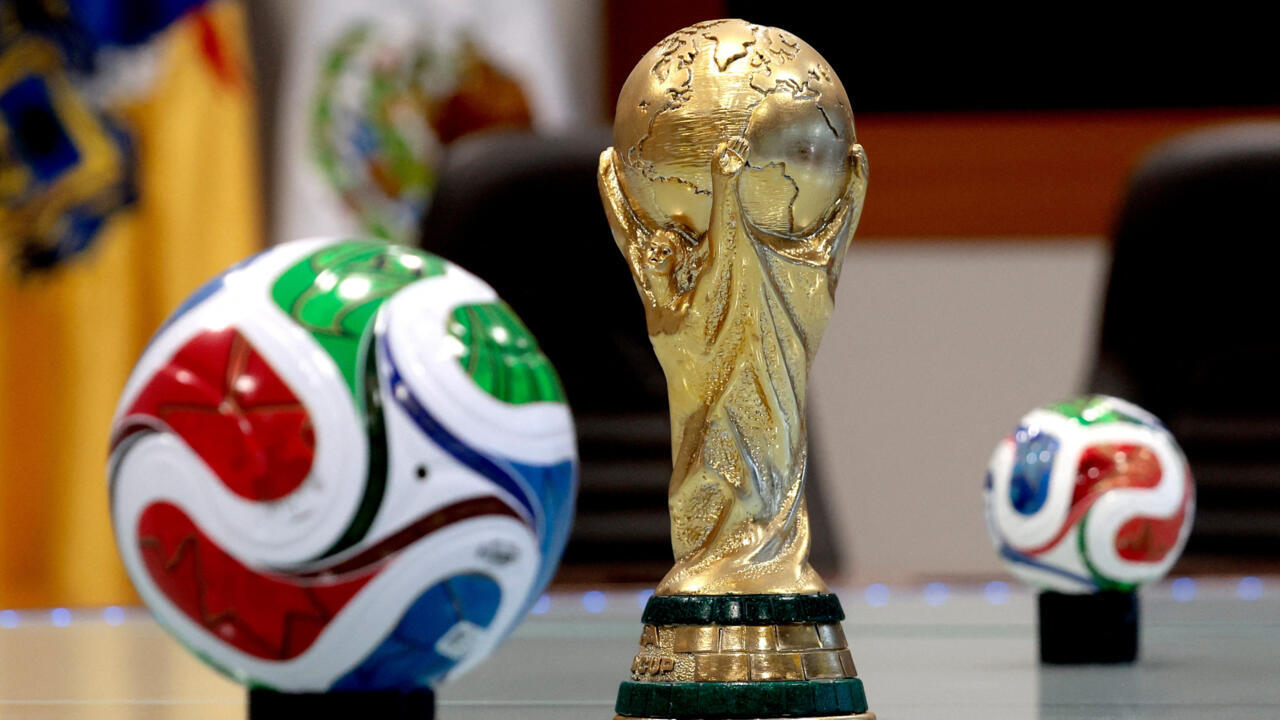
The Arab teams are gearing up for their participation in the 2026 World Cup, with a total of eight Arab teams qualifying for this historic edition. This achievement follows the successful qualification of the Democratic Republic of Congo and Iraq through the global playoff. The tournament will take place from June 11 to July 19, 2026, across three host countries: the United States, Canada, and Mexico.
This edition of the World Cup is unique, featuring 48 teams, which provides a greater opportunity for Arab teams to showcase their abilities on the global stage. Below is the schedule of matches for the Arab teams, including local times and Greenwich Mean Time (GMT).
Match Schedule and Details
The matches will kick off on Thursday, June 11, with the first group featuring a match between Mexico and South Africa at 13:00 local time in Mexico (19:00 GMT). Additionally, a match between South Korea and Czech Republic will also take place on the same day.
On Friday, June 12, Canada will face Bosnia and Herzegovina, while the United States will take on Paraguay. Then, on Saturday, June 13, Qatar will meet Switzerland, and an anticipated match will see Brazil go against Morocco.
The schedule continues to feature exciting matchups among the Arab teams, with Saudi Arabia set to play against Uruguay, Egypt facing Belgium, and Iraq going up against Norway, reflecting the competitive spirit of this edition.
Background & Context
Historically, Arab participation in the World Cup has been limited, with the number of qualified Arab teams in previous editions rarely exceeding five. However, the qualification of eight teams in the 2026 edition is a significant achievement, showcasing the development of football in the Arab world.
It is noteworthy that Iraq has been absent from the World Cup for 40 years, making its return to the global stage a moment worth celebrating. Furthermore, Qatar's participation, as the host nation of the previous edition, enhances its standing in the football world.
Impact & Consequences
This historic participation presents an opportunity for Arab teams to demonstrate their skills and potential on the international level. It also fosters a spirit of competition among Arab teams, which could lead to improved performance in future tournaments.
Moreover, the success of Arab teams in the tournament may contribute to increased interest in football in the region and encourage further investment in developing young talents.
Regional Significance
The qualification of Arab teams for the World Cup reflects the progress made by Arab countries in the field of sports and strengthens the spirit of unity and solidarity among Arab peoples. This major event can also serve as a platform to enhance relationships between Arab nations through sports.
In conclusion, the 2026 World Cup represents a golden opportunity for Arab teams to assert their presence on the global stage and reflects the aspirations of Arab fans to see their teams succeed.