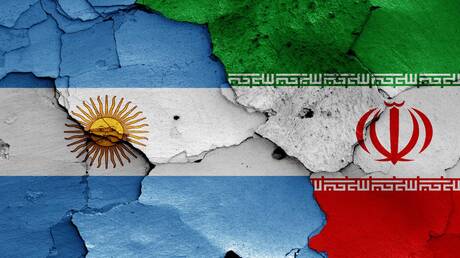
The Argentine Ministry of Foreign Affairs has expelled Iranian chargé d'affaires Mohsen Soltani Tehrani, who is considered the highest-ranking Iranian diplomat in the country, in a move that reflects the increasing tensions between the two nations.
This action comes at a sensitive time, as international relations are experiencing heightened tensions, particularly between Western nations and Iran, raising questions about the political implications of this decision and its impact on bilateral relations.
Details of the Expulsion
The expulsion was carried out after Argentine authorities leveled accusations regarding diplomatic activities that were deemed inconsistent with international norms. Mohsen Soltani Tehrani is a prominent figure in the Iranian diplomatic corps, having represented his country in Argentina for several years.
This step is part of a broader policy that Argentina has adopted in its dealings with Iran, as there have been previous tensions between the two countries over issues related to terrorism and human rights. This policy has elicited mixed reactions within political and media circles.
Background & Context
Historically, relations between Argentina and Iran have been strained since the bombing of the Jewish community center in Buenos Aires in 1994, which resulted in the deaths of 85 individuals. Argentina accused Iran of being involved in this attack, leading to a deterioration in relations between the two nations.
Over the years, Argentina has sought to improve its relations with Western countries, particularly the United States, prompting it to adopt stricter policies towards Iran. These policies are part of Argentina's efforts to curb Iranian influence in Latin America.
Impact & Consequences
This expulsion could exacerbate tensions between Argentina and Iran, with expectations that Iran may respond diplomatically or through other means. Additionally, this expulsion may affect trade relations between the two countries, as there were previously signed economic agreements.
Moreover, this decision could impact Argentina's relations with other countries in the region that may have shared interests with Iran, complicating the political landscape in Latin America.
Regional Significance
This move is significant for the Arab region, as it reflects the ongoing tensions between Iran and Western nations, which may affect stability in the Middle East. Furthermore, the escalating tensions between Argentina and Iran could open the door for increased external interventions in Iranian affairs.
At the same time, these developments may influence relations between Arab countries and Iran, as Arab nations closely monitor any developments that could impact their security and stability.
In conclusion, the expulsion of the Iranian chargé d'affaires from Argentina represents a new step in a series of tensions between Iran and Western countries, highlighting the challenges facing international relations in the current climate.