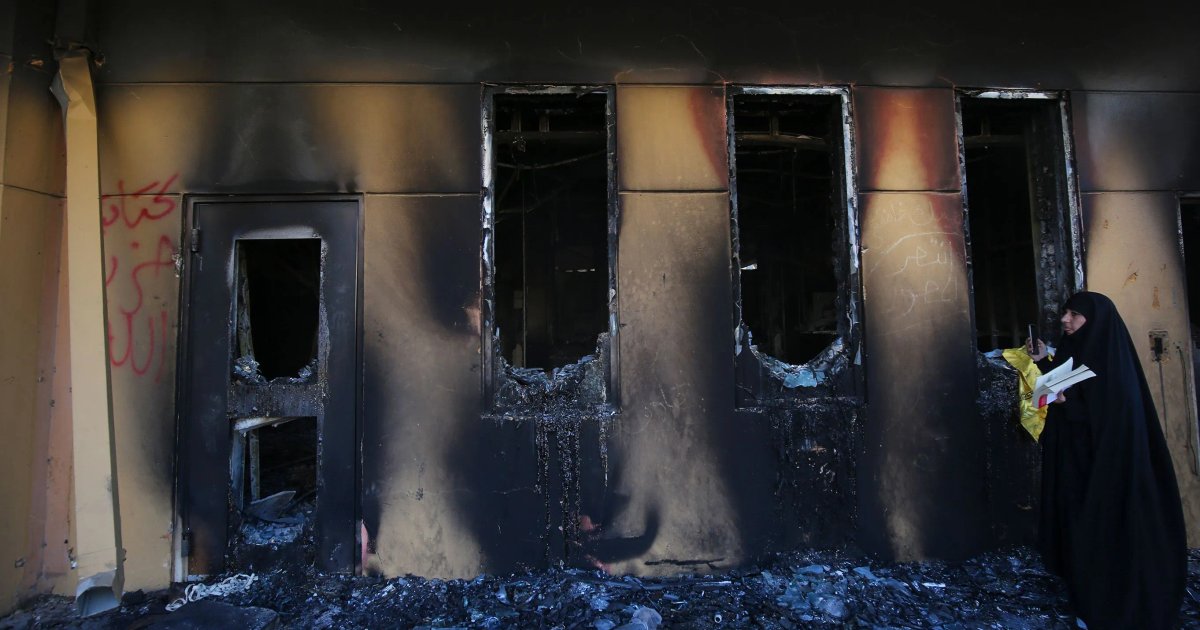
Iranian-backed Iraqi factions executed two attacks on US diplomatic facilities in Iraq late Saturday to Sunday, with the US embassy in Baghdad confirming that these assaults are part of an attempt to target American diplomats. These attacks highlight the escalating tensions between the United States and Iran in the region, as military activities by these factions have increased recently.
The first attack targeted a diplomatic compound in the capital, Baghdad, while the second occurred in Erbil province in northern Iraq. These assaults come at a sensitive time as the United States seeks to bolster its diplomatic presence in Iraq amid fears of rising violence.
Details of the Incident
According to security sources, the armed factions used rockets and mortars in the attacks, resulting in significant material damage to the targeted facilities. No injuries were reported among American diplomats, but the attacks raised widespread concerns about the safety of diplomatic missions in Iraq.
These attacks follow a series of threats issued by Iranian-backed factions against the US presence in Iraq, as these groups view the American forces as a threat to Iraqi national security. The US embassy has warned that such activities could lead to a greater escalation of violence.
Background & Context
Historically, Iraq has witnessed repeated conflicts between Iranian-backed armed factions and US forces. After the withdrawal of US troops from Iraq in 2011, Iranian-backed factions regained influence, leading to heightened tensions between Baghdad and Washington. These factions are considered part of the Popular Mobilization Forces, which were formed to combat ISIS, but their role in Iraqi politics has become more complex.
In recent years, attacks on US forces in Iraq have increased, prompting Washington to enhance security measures around its diplomatic facilities. These events reflect ongoing tensions in the region, where Iran seeks to strengthen its influence in Iraq while the United States attempts to maintain its presence.
Impact & Consequences
These attacks serve as a strong message from Iranian-backed factions, asserting their capability to target US interests in Iraq. This escalation may provoke military responses from the US side, increasing the likelihood of conflict escalation in the region.
Moreover, these events could affect relations between Iraq and the United States, as the Iraqi government may be compelled to adopt a more cautious stance towards armed factions. At the same time, these attacks could bolster popular support for Iranian-backed factions, complicating the security situation in the country.
Regional Significance
The ramifications of these attacks extend beyond Iraq, potentially impacting regional stability. The rise of violence in Iraq may encourage armed factions in other countries such as Lebanon and Syria, heightening tensions between Iran and other Arab nations.
Under these circumstances, Arab nations must closely monitor the situation, as any escalation in Iraq could affect regional security and increase tensions between Arab countries and Iran.
In conclusion, the military escalation in Iraq poses a significant challenge to both regional and international security. The current situation requires a response from the international community to ensure the protection of diplomats and US interests in the region.