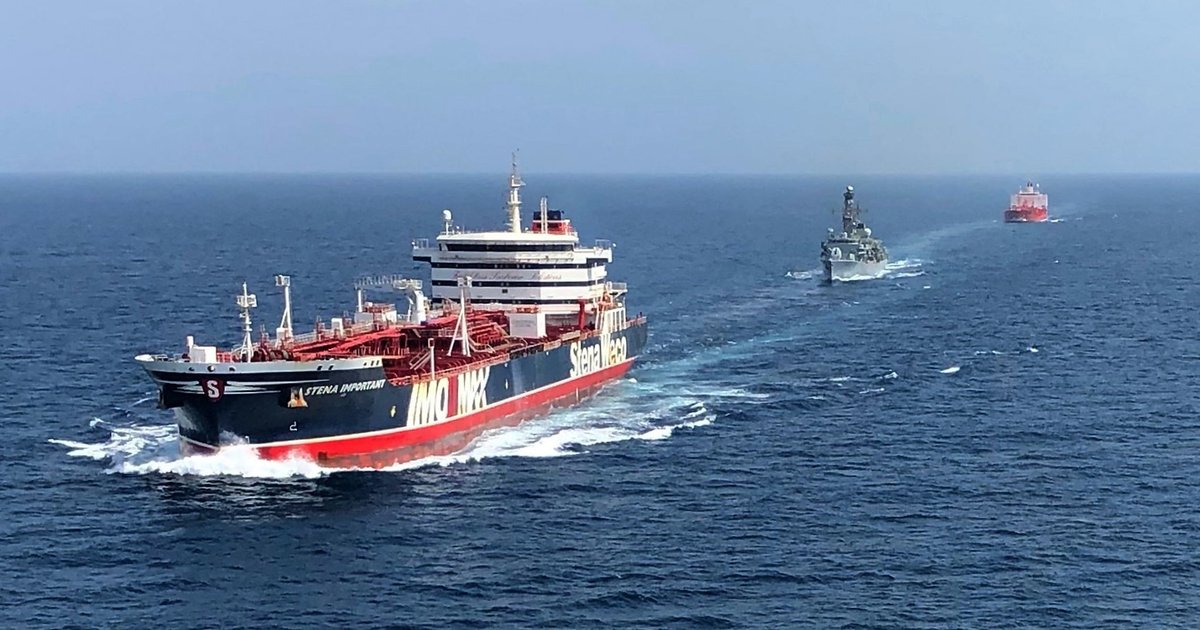
About 800 ships are currently congested in the Strait of Hormuz, one of the most crucial waterways in the world, awaiting its reopening for navigation. This crisis comes at a sensitive time, as fears of escalating regional tensions grow, threatening to prolong the wait and complicate matters for global trade.
The strait, which connects the Arabian Gulf to the Sea of Oman, is a vital artery for transporting oil and natural gas. Reports indicate that the stranded vessels include commercial oil tankers and cargo ships, raising concerns about the impact on global energy markets.
Details of the Situation
Pressure is mounting on the involved parties to expedite the reopening of the strait, as delays could exacerbate economic conditions in the region. Some experts have suggested that this situation may be a result of political tensions among the surrounding countries, further complicating the scenario.
Meanwhile, negotiations are ongoing among the concerned parties, but the outcomes remain unclear. Some nations have expressed their willingness to mediate in this dispute, attempting to ease tensions and ensure the resumption of navigation.
Background & Context
The Strait of Hormuz is a key transit point for nearly 20% of the world's total oil supply, making it a strategic target for many countries. Historically, the strait has witnessed numerous crises, including military conflicts and political tensions, leading to its closure for extended periods.
In recent years, tensions between Iran and the United States have escalated, directly affecting navigation in the strait. These tensions have heightened concerns regarding the safety of commercial vessels, prompting some companies to reassess their shipping routes.
Impact & Consequences
If the crisis persists, the repercussions will be far-reaching. Oil prices are expected to rise significantly, impacting the global economy. Additionally, delays in shipping could lead to shortages of essential goods, negatively affecting local markets.
Furthermore, this crisis may worsen humanitarian conditions in some countries that rely on imports, increasing pressure on governments to address economic and social crises.
Regional Significance
The Arab countries neighboring the Strait of Hormuz are among the most affected by this situation. While rising oil prices may increase revenues in some nations, they could simultaneously cause economic crises in others that depend on oil imports.
Moreover, the continuation of the crisis may open the door for external interventions, further complicating the regional situation and impacting stability in the area.
In conclusion, the crisis of the stranded ships in the Strait of Hormuz remains a vital issue requiring urgent international attention. The resumption of navigation in this critical waterway will have significant implications for the global economy and necessitates intensive diplomatic efforts to resolve the ongoing conflict.