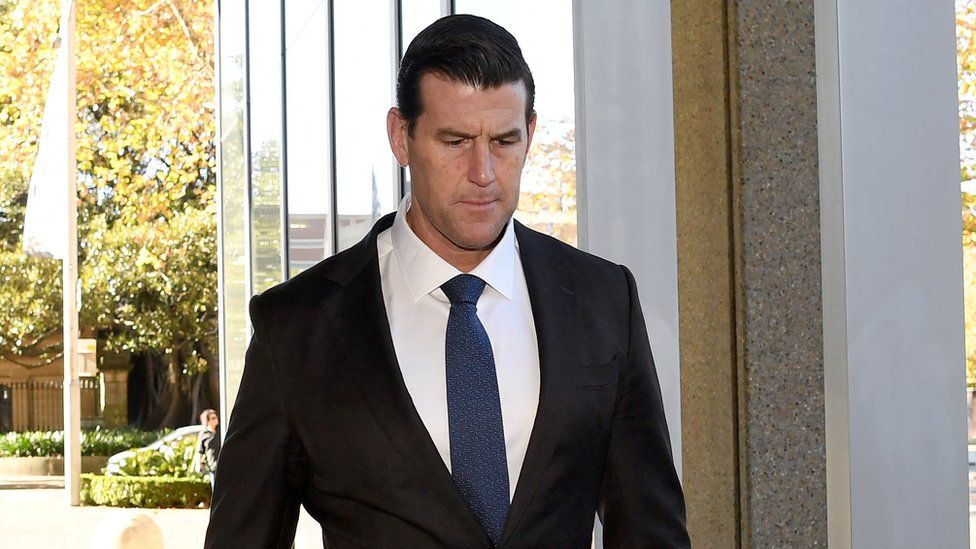
Australian police have arrested former soldier Ben Roberts-Smith, considered one of the most prominent heroes in the history of the Australian army, on charges related to war crimes during his service in Afghanistan. This arrest comes after comprehensive investigations into the conduct of Australian special forces in the country, where it is alleged that Smith and members under his command shot at civilians not involved in hostilities.
Smith, aged 47, is a recipient of the Victoria Cross, the highest military honor awarded in the United Kingdom, and is regarded as a symbol of courage and sacrifice. He has been dubbed the “Australian war hero,” having served in Afghanistan and achieved notable accomplishments, including pursuing Taliban leaders.
Details of the Incident
Commissioner of the Federal Police Kristy Barrett stated that investigations indicate Smith and members of his unit shot at civilian victims, resulting in their unlawful deaths. Smith has been linked to the killings of unarmed Afghan prisoners, which he has vehemently denied. However, media reports that emerged in 2018 contributed to the opening of official investigations into these allegations.
Reports indicate that Smith has also been accused of engaging in unethical behavior, including an incident where he allegedly shot a man with a prosthetic leg and used the prosthetic as a drinking vessel with his comrades. It has also been noted that he kicked an Afghan civilian off a cliff and ordered his subordinates to shoot him.
Background & Context
This case is part of a series of investigations launched following reports that Australian forces committed war crimes in Afghanistan. In 2020, a military investigation concluded that members of the Australian special forces unlawfully killed 39 civilians and Afghan prisoners, leading to widespread allegations of human rights violations.
Under public pressure, the Australian government appointed a special investigator to determine whether current and former soldiers involved in these crimes should be prosecuted. Smith has insisted on his innocence, having filed lawsuits against media outlets that published reports about him, but Australian courts dismissed these lawsuits in 2023.
Impact & Consequences
The arrest of Smith is seen as a turning point in how the Australian government addresses war crimes issues, demonstrating an increasing commitment to holding soldiers accountable for their actions. This case may lead to changes in Australian military policies and enhance oversight of special forces conduct.
These events could also impact Australia's relations with other countries, especially in the context of joint military operations. This arrest underscores the importance of accountability within the armed forces and reflects the challenges nations face in upholding human rights during armed conflicts.
Regional Significance
This case holds particular importance for the Arab region, reflecting the challenges faced by countries in holding their armed forces accountable for potential violations. The events in Afghanistan illustrate how military operations can affect civilians, highlighting the need to protect human rights at all times.
In the context of ongoing conflicts in the region, this case serves as a reminder that accountability and transparency are essential elements in building trust between peoples and their governments.