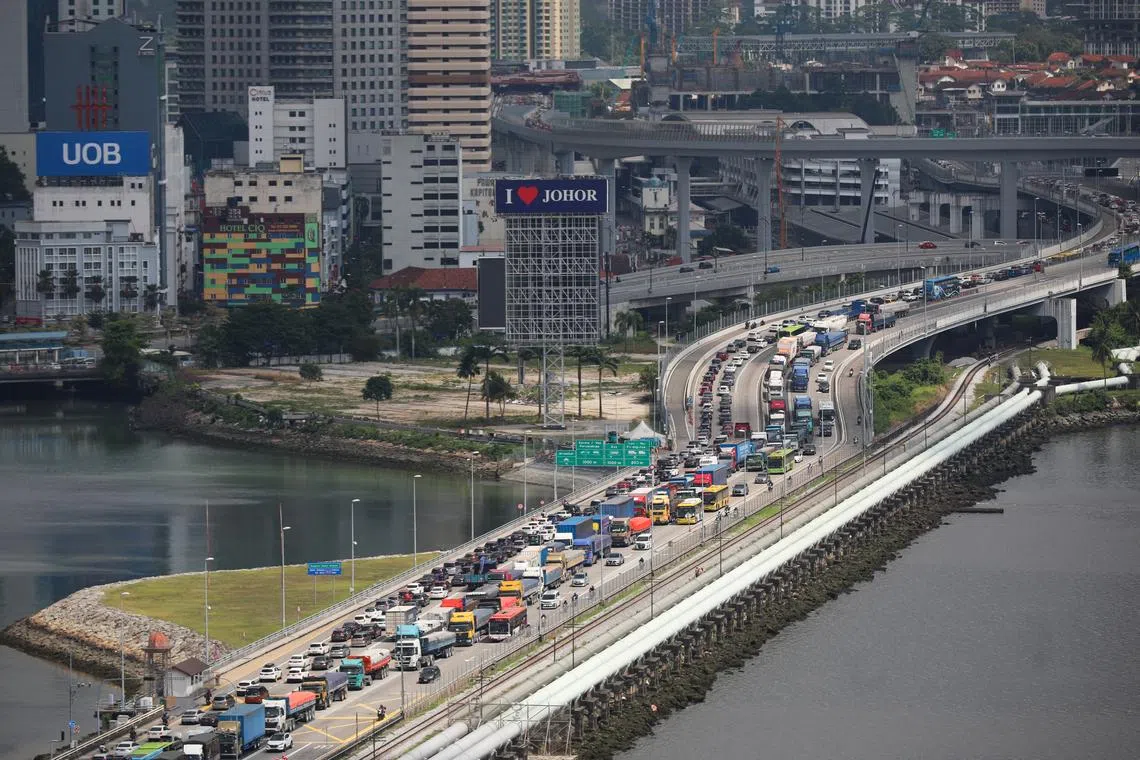
In a move reflecting the seriousness of the authorities in combating corruption, relevant agencies announced the arrest of eight drivers in a case involving bribery to avoid penalties imposed on them due to traffic violations. The incident occurred in an area known for frequent traffic accidents, raising concerns within the local community about road safety.
The investigations are ongoing under the Anti-Corruption Law, as it is suspected that these drivers offered bribes to relevant authorities to evade penalties for traffic violations. This step comes at a sensitive time, as the government seeks to enhance trust in the legal system and improve road safety.
Details of the Incident
The drivers were arrested in simultaneous operations, where they were observed offering bribes to government officials. This incident is part of broader efforts to combat corruption in the country, where laws and procedures have recently been strengthened to address this phenomenon. Authorities hope that these measures will contribute to reducing traffic violations and improving safety standards on the roads.
The traffic violations under investigation include speeding, driving under the influence of alcohol, and failure to comply with traffic signals. A police spokesperson indicated that this incident is not the first of its kind, but it reflects the extent of corruption in certain sectors.
Background & Context
Historically, many countries have suffered from corruption in various fields, including the transportation sector. In recent years, there has been increased pressure on governments to adopt stricter policies to combat corruption, especially amid rising public awareness of the importance of transparency and integrity.
In many countries, bribery represents one of the greatest challenges facing legal systems, leading to widespread corruption and a decline in public services. Therefore, the actions taken by authorities in this case could serve as a model for other countries facing similar issues.
Impact & Consequences
If authorities succeed in proving the charges against the arrested drivers, it could have a significant impact on how the community deals with traffic violations. This may lead to increased awareness of the risks associated with bribery and encourage drivers to adhere to laws rather than attempting to circumvent them.
Moreover, this incident could help enhance citizens' trust in the government, potentially leading to greater support for efforts to combat corruption. If strict measures are taken against the corrupt, it could have a positive impact on society as a whole.
Regional Significance
In the Arab region, issues of corruption and traffic violations are contentious matters that affect citizens' lives. Many Arab countries face similar challenges, as citizens strive to improve public services and ensure their safety on the roads.
This incident could serve as an example for other countries in the region, demonstrating the importance of taking decisive action against corruption. By strengthening laws and enforcing them rigorously, Arab countries can make progress in combating corruption and improving road safety standards.
In conclusion, this incident reflects the importance of addressing corruption across all sectors, particularly in transportation. Enhancing transparency and integrity can contribute to improving citizens' lives and bolstering trust in government institutions.