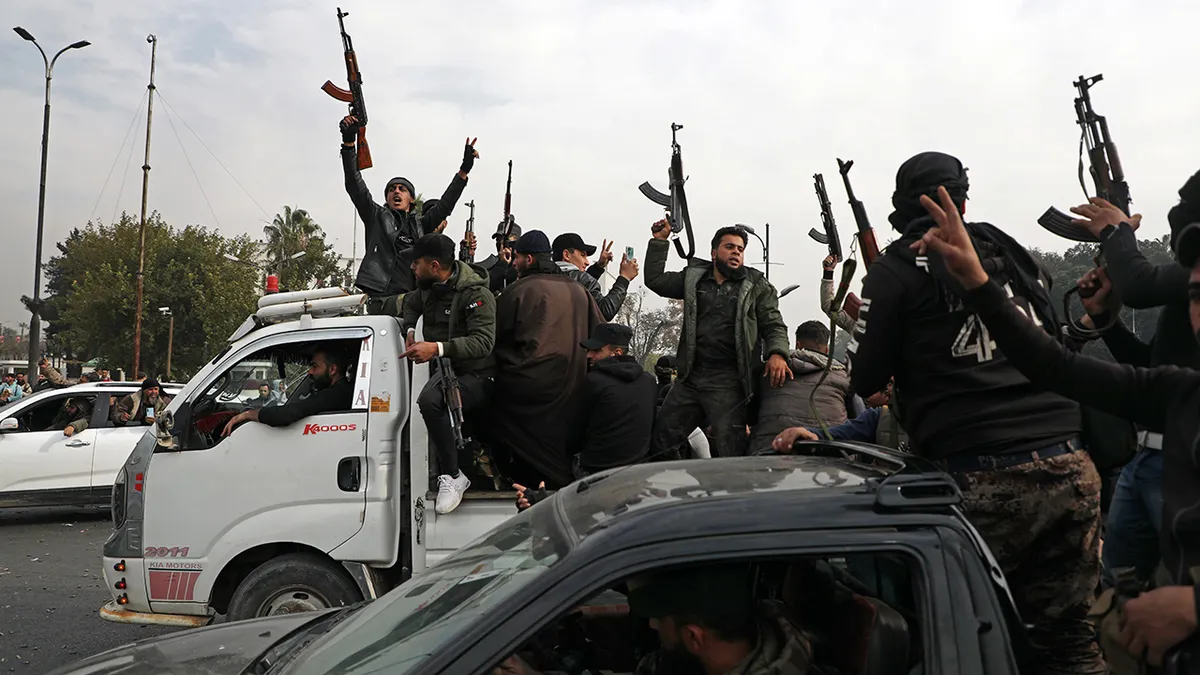
Syrian security forces have arrested a senior official from the ousted Bashar al-Assad regime for committing serious violations during his leadership of the military intelligence in Hasakah province.
This step comes amid attempts by the Syrian authorities to hold accountable some individuals involved in human rights violations that have plagued the country during years of ongoing conflict. The arrested official served as the head of the military intelligence branch in Hasakah, where he was accused of committing torture and arbitrary arrests against civilians.
Details of the Arrest
The arrest took place at a sensitive time, as the Syrian government seeks to rebuild its image before the international community after years of harsh criticism due to human rights violations. Local sources reported that the arrest followed intensive investigations into the abuses committed by the official during his tenure, which included the use of torture and enforced disappearances.
This arrest could have significant ramifications for the security situation in the region, as the detained official is considered a prominent figure in the intelligence apparatus, potentially leading to internal tensions among the various factions within the regime.
Background & Context
Historically, Syria has witnessed widespread human rights violations since the onset of the conflict in 2011, with numerous cases of torture and arbitrary detentions documented by security forces. The Assad regime has been internationally condemned for these violations, resulting in economic and political sanctions against the Syrian government.
In recent years, some countries have begun to reconsider their stance towards the Syrian regime, with certain governments seeking to restore diplomatic relations. However, human rights issues remain a significant barrier to any full normalization.
Impact & Consequences
The arrest of this official may influence the course of political negotiations in Syria, as it serves as a signal that the regime is willing to hold some individuals accountable for their involvement in abuses. However, at the same time, this could provoke negative reactions from some factions within the regime, potentially increasing instability.
Additionally, this arrest may open the door for further investigations into human rights violations, leading to increased international pressure on the Syrian regime. Human rights organizations may seek to capitalize on this opportunity to advocate for accountability for those responsible for the abuses.
Regional Significance
This event is seen as an indicator of potential shifts in Syrian politics, which may have repercussions for neighboring countries. As the conflict in Syria continues, Arab nations remain on alert regarding the evolving situation, especially since any change in the regime could impact regional security.
Moreover, arrests related to human rights violations may reopen discussions on how to address humanitarian crises in the region, potentially leading to greater cooperation among Arab countries in this area.
In conclusion, this arrest is a significant event in the context of the Syrian conflict, reflecting the ongoing challenges the country faces in the realm of human rights and indicating that there are internal attempts to hold accountable those responsible for violations.