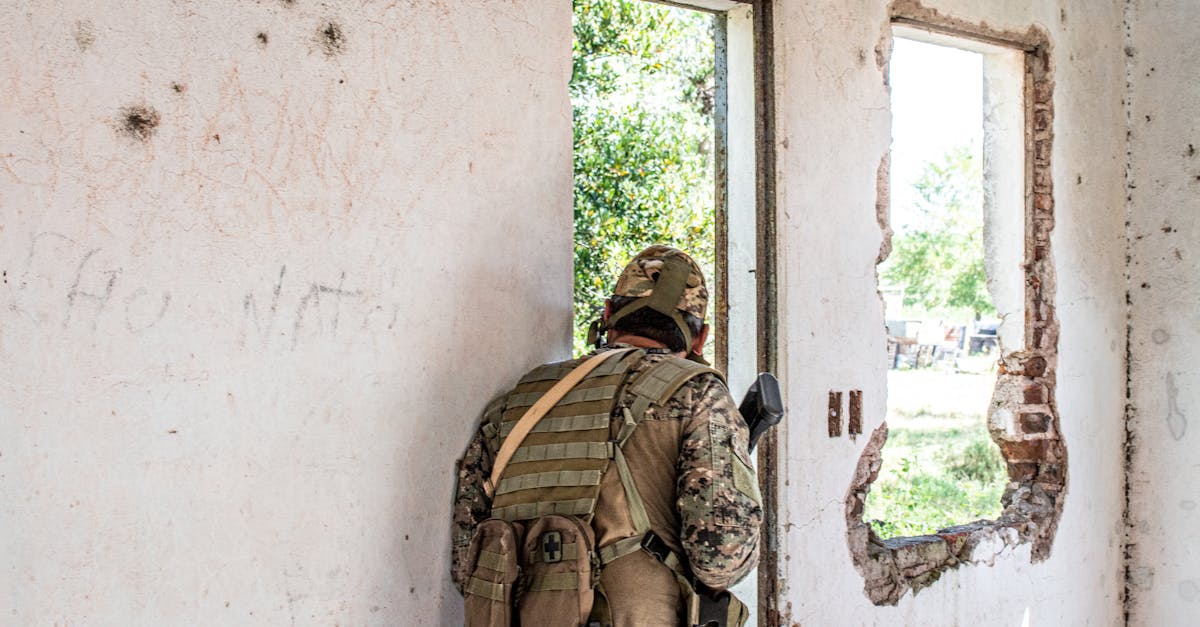
In a new security incident that has shaken Lebanon, the Lebanese army intelligence has arrested an Iraqi citizen named Tariq Al-Husseini on charges of impersonating a security official at the Iraqi embassy in Beirut. He was apprehended while presenting himself as a colonel in the Iraqi army, wearing fake military ranks during official and security meetings.
Al-Husseini, who moved among official circles, managed to deceive numerous security and political figures, raising questions about the effectiveness of the security measures in place in Lebanon. This incident recalls the case of Abu Omar, who impersonated a Saudi prince, highlighting the recurrence of such acts in the country.
Details of the Incident
The arrest took place after receiving information from reliable sources regarding Al-Husseini's suspicious activities. Initial investigations revealed that he was in contact with prominent figures in the Lebanese government, raising concerns among security agencies. It is believed that Al-Husseini was seeking financial or political advantages through his impersonation.
During the investigations, Al-Husseini admitted that he was trying to obtain financial support for his personal projects and that he used his impersonation to disguise his true identity. Authorities also found forged documents and electronic devices used in fraudulent activities in his possession.
Background & Context
Lebanon is considered one of the countries suffering from weaknesses in its security system, making it susceptible to such incidents. Historically, the country has witnessed numerous cases of identity impersonation, often linked to political or financial objectives. The Abu Omar case, which occurred several years ago, was one of the most prominent examples, where an individual managed to deceive the authorities for an extended period.
Concerns are growing that such incidents may lead to a loss of trust in security institutions, negatively impacting stability in the country. The recurrence of these incidents highlights the need to enhance security measures and verify the identities of individuals interacting with official institutions.
Impact & Consequences
The repercussions of this incident could be far-reaching, potentially leading to a comprehensive review of security procedures in Lebanon. The government may be compelled to take immediate steps to bolster security and verify the identities of individuals dealing with official institutions.
This incident may also affect relations between Lebanon and Iraq, especially given the tense security situation in the region. It could lead to calls for enhanced security cooperation between the two countries to combat such phenomena.
Regional Significance
This incident serves as evidence of the security challenges faced by many Arab countries. Amid political and economic crises, the opportunities for exploiting security gaps by individuals seeking personal gains increase.
This incident underscores the importance of strengthening security cooperation among Arab countries to address common threats. It also highlights the need to develop effective strategies to combat organized crime and impersonation, which requires coordinated efforts among nations.
In conclusion, security incidents like that of Tariq Al-Husseini serve as a reminder of the importance of vigilance and cooperation among Arab countries to ensure security and stability in the region.