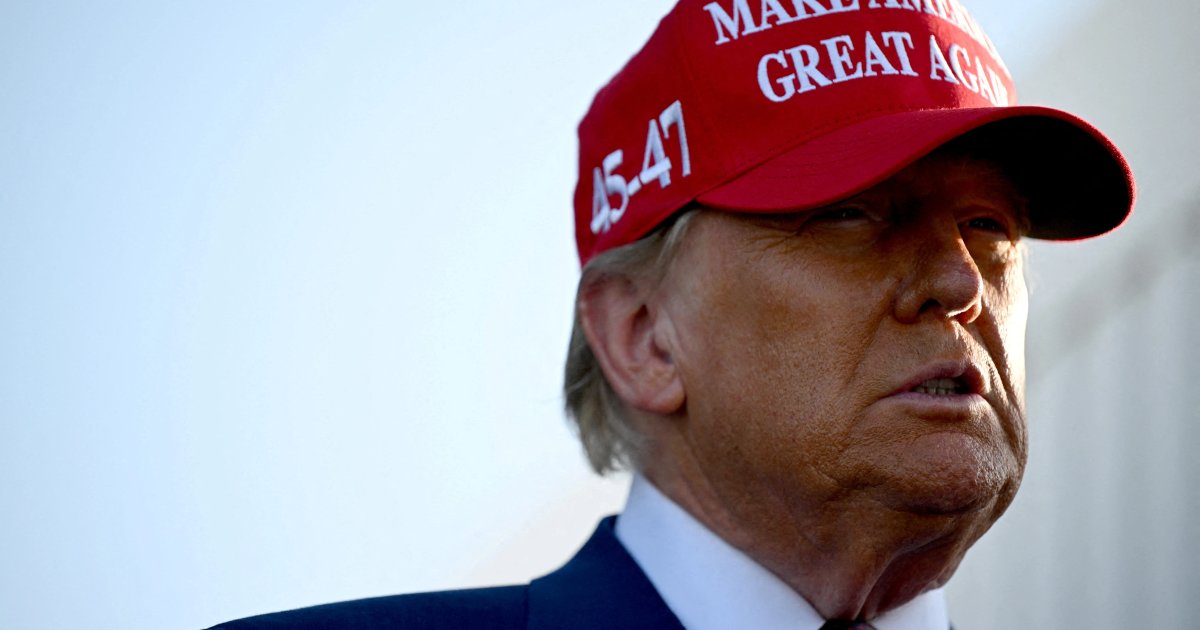
Police in Massachusetts arrested a man on Wednesday after he threatened President Donald Trump with death via Facebook, with investigations revealing that he made these threats repeatedly, totaling eight times. The U.S. Attorney's Office in the state reported that these threats constitute a serious violation of federal laws.
The investigation began after authorities received reports from other Facebook users, prompting them to take swift action to apprehend the suspect. The man, whose name has not been disclosed, is in his forties and lives in a suburb near Boston.
Details of the Incident
According to the U.S. Attorney's Office, the man used his personal Facebook account to post direct threats against Trump, raising widespread concerns about the president's safety. He was arrested at his home after authorities monitored his online activity. He faces charges related to criminal threats, which could lead to severe penalties if convicted.
This incident occurs at a sensitive time for the United States, as political tensions are escalating with the presidential elections approaching. Such threats raise concerns about the personal security of presidents and politicians, especially in the current charged atmosphere in the country.
Background & Context
Historically, the United States has witnessed numerous incidents involving threats against presidents, with similar cases recorded in the past. These incidents often lead to intensive investigations by authorities and spark discussions about freedom of speech and its limits. In recent years, there has been an increase in threats against public figures, reflecting the growing political and social divisions within American society.
The use of social media as a platform for issuing threats has become an increasing phenomenon, necessitating stricter measures from authorities to monitor such activities. Studies have shown that online threats can escalate into real-life violence, raising concerns about the safety of individuals and society as a whole.
Impact & Consequences
This incident serves as a reminder of the importance of personal security for politicians, particularly in the current tense climate in the United States. These threats may lead to enhanced security measures around public figures, which could affect how they interact with the public.
Moreover, this incident may lead to renewed calls for tightening laws related to online threats, raising questions about freedom of expression and individuals' rights to express their opinions. At the same time, this incident could increase awareness of the dangers of using social media as a platform for spreading violence and hatred.
Regional Significance
While this event appears to focus on American affairs, it has broader implications for the Arab region. Political and social tensions in the United States may affect international relations, including those with Arab countries. Additionally, the use of social media as a tool for expressing opinions or issuing threats can have similar effects in Arab nations, where concerns about freedom of expression and personal security are growing.
Ultimately, this incident remains a testament to the challenges societies face in dealing with online threats, highlighting the need for a balance between freedom of expression and personal security.