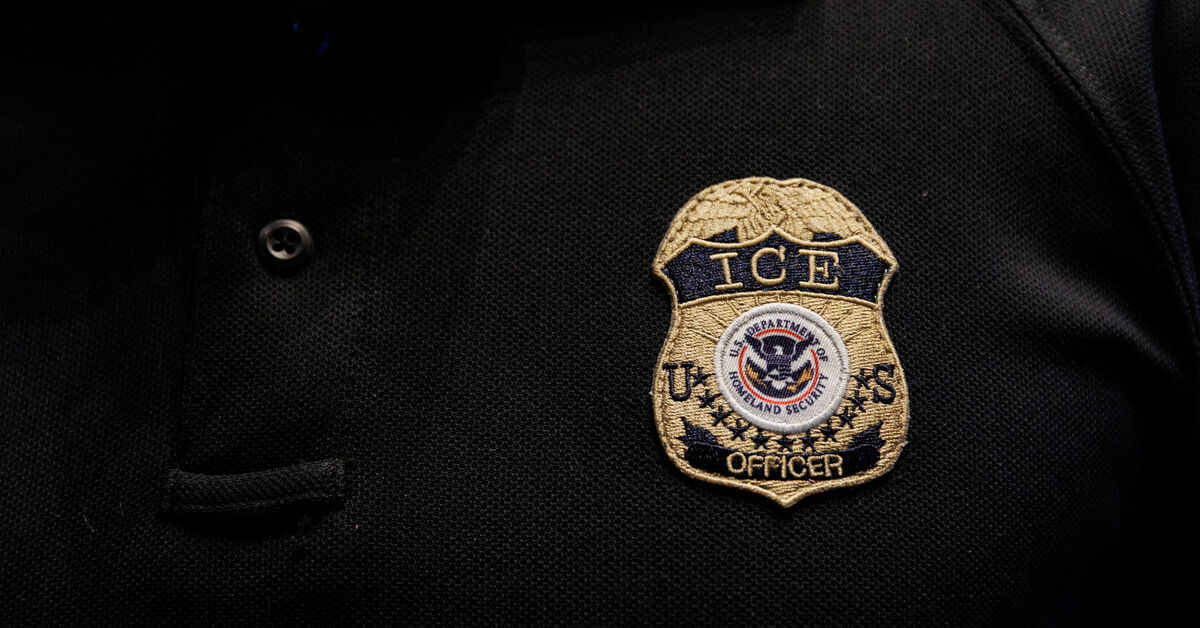
U.S. Immigration and Customs Enforcement (ICE) arrested Salah Sarsour, the president of the Islamic Association in Milwaukee, last Monday. Sarsour, who is considered a prominent figure in the Palestinian-American community, is a legal permanent resident in the United States and has lived there for over 30 years.
Sarsour grew up in the occupied West Bank, adding a historical and cultural dimension to his case. His arrest comes at a sensitive time, as fears are growing among Arab and Muslim communities in the United States regarding increased harsh measures by U.S. authorities against individuals with Arab backgrounds.
Details of the Arrest
According to reports, Salah Sarsour was arrested under mysterious circumstances, with ICE not disclosing specific details regarding the reasons for his arrest. Sarsour is a key figure in the Islamic community in Milwaukee, serving as the president of the Islamic Association and working to promote dialogue among different cultures.
This action aligns with a broader trend in U.S. immigration policy, which has seen significant changes in recent years, including increased arrests and deportations of individuals from certain backgrounds, raising widespread concern among human rights and political circles.
Background & Context
Historically, the Palestinian community in the United States has faced numerous challenges, ranging from racial discrimination to government policies targeting individuals based on their cultural and religious backgrounds. Sarsour, who immigrated to the U.S. in the 1980s, represents a generation of Palestinians striving to achieve their dreams in a new country while carrying their stories and experiences from their homeland.
The Islamic Association in Milwaukee serves as an important center for social and religious engagement, organizing various cultural and religious events aimed at fostering mutual understanding among diverse communities. Sarsour's arrest could significantly impact the activities and programs offered by the association.
Impact & Consequences
The arrest of Salah Sarsour serves as a wake-up call for Arab and Muslim communities in the United States. Numerous studies have shown that these communities face increasing challenges under current policies, which may exacerbate feelings of anxiety and fear among their members.
This arrest may also provoke strong reactions from human rights organizations and immigrant advocacy groups, which may demand Sarsour's release and seek clarifications regarding the reasons for his detention. Protests and demonstrations are expected in the coming days to express solidarity with Sarsour and to reject oppressive policies.
Regional Significance
The arrest of Salah Sarsour represents a turning point that could affect relations between the United States and Arab countries, as this arrest is seen as part of a broader policy targeting individuals with Arab backgrounds. This may lead to increased tensions between Arab governments and the United States, especially given the current political climate in the region.
This event highlights the importance of supporting Arab communities abroad, as these communities serve as a bridge for communication between different cultures. It is crucial for Arab countries to stand in solidarity with individuals in these communities and support their rights in the face of the challenges they encounter.