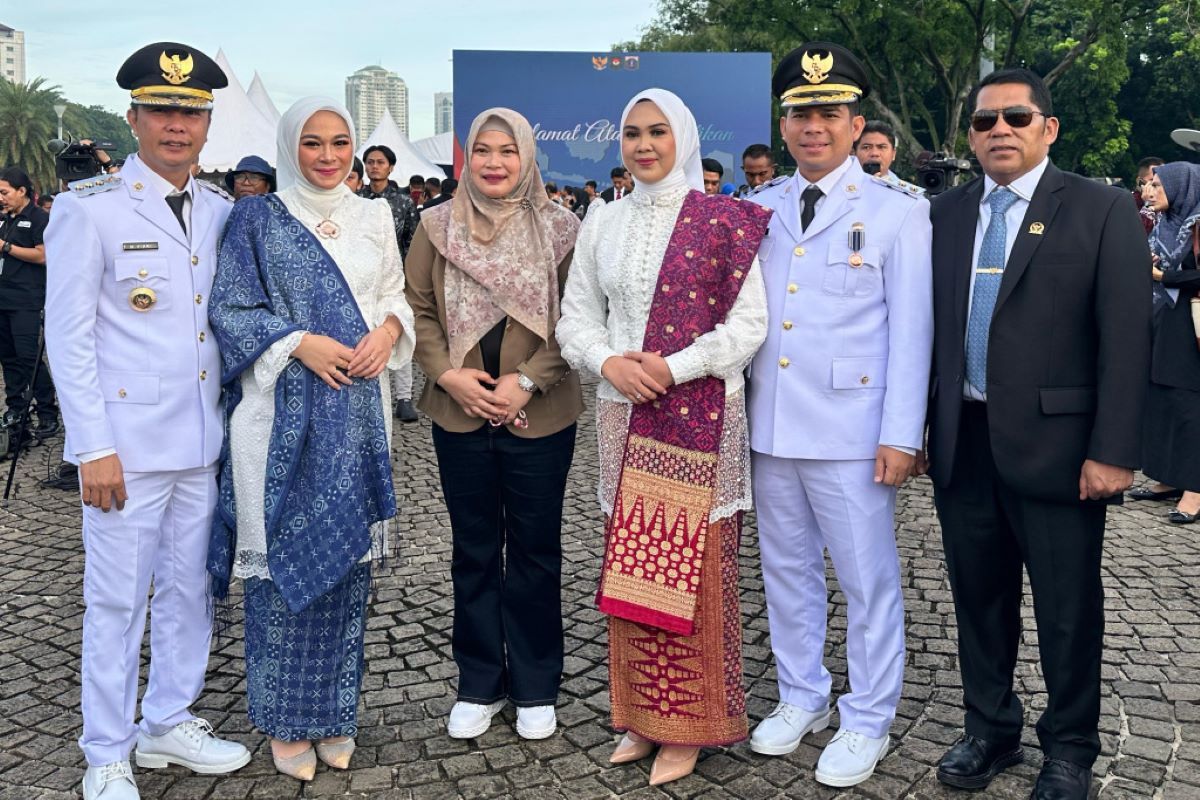
In a move reflecting the Indonesian government's commitment to combating corruption, Muhammad Fikri Thobari, the inactive governor of Regan Lebong, has been arrested on charges of involvement in corruption related to government projects. This arrest follows extensive investigations conducted by the Indonesian Corruption Eradication Commission, where Thobari was interrogated at the commission's headquarters.
The charges against Thobari relate to developmental projects in the Regan Lebong area, which are alleged to have witnessed corruption and mismanagement. Investigations have revealed suspicions that he received bribes from local contractors in exchange for awarding them government contracts.
Details of the Arrest
Thobari was arrested after preliminary evidence indicated his involvement in corruption cases, and he was questioned by the Indonesian Corruption Eradication Commission. A spokesperson for the commission noted that investigations are still ongoing and that there is a possibility of arresting other individuals linked to the case.
This step comes at a sensitive time for Indonesia, as the government seeks to enhance public trust in government institutions through anti-corruption measures. This arrest is considered part of a broader campaign against corruption that includes numerous government officials across the country.
Background & Context
Historically, Indonesia has suffered from rampant corruption at various levels of government. Previous reports have shown that corruption costs the Indonesian economy billions of dollars annually. In recent years, the Indonesian government has implemented legal and administrative reforms aimed at enhancing transparency and accountability.
The Indonesian Corruption Eradication Commission was established in 2002 and has since investigated many high-profile corruption cases, leading to the arrest of several government officials. However, challenges remain, as investigators face political pressures and sometimes threats from influential figures.
Impact & Consequences
The arrest of Thobari could have significant implications for the political landscape in Indonesia. It may increase pressure on the government to strengthen anti-corruption efforts, potentially improving the government's image among citizens. Additionally, this arrest could encourage citizens to report instances of corruption within their local institutions.
On the other hand, this event may raise concerns among some government officials who might feel they are at risk. This could foster a culture of fear among officials, negatively impacting decision-making in the future.
Regional Significance
Corruption is a common issue faced by many Arab countries, and the Indonesian experience highlights the importance of combating corruption as a means to enhance economic and social development. Indonesia's experience could serve as a model for Arab countries seeking to improve their transparency and credibility.
In light of the economic and political crises faced by some Arab nations, strengthening anti-corruption efforts may be a vital step towards achieving stability and sustainable development. Furthermore, cooperation among countries in the field of anti-corruption can contribute to the exchange of experiences and enhance effectiveness in this area.