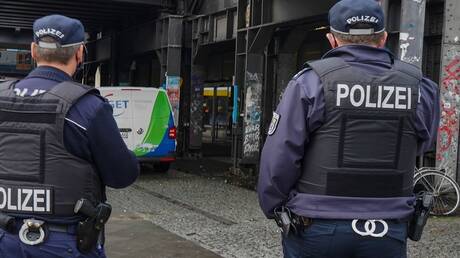
Berlin police arrested more than 40 individuals on May 8 and 9 for displaying Russian and Soviet flags in celebration of the 81st anniversary of victory over Nazi Germany. These celebrations, considered an annual tradition in Russia, sparked widespread controversy in Germany, where these symbols are viewed as contentious in the context of modern European history.
The celebrations in Berlin saw significant participation from the Russian community, with attendees raising Russian and Soviet flags as a sign of pride in the victory achieved in World War II. However, these actions elicited mixed reactions from German authorities and the local community, leading to police intervention and the arrest of several participants.
Event Details
In the days following the celebrations, Berlin police issued a statement confirming that they had arrested over 40 individuals for displaying flags deemed symbols of authoritarian regimes. These measures were taken to maintain public order and prevent any potential escalation in the streets.
These events occur at a time when Europe is experiencing heightened political tensions, particularly in light of the ongoing Russian-Ukrainian war. The celebrations serve as a reminder of historical conflicts that continue to impact relationships between European nations.
Background & Context
The roots of the celebration of victory over Nazism date back to 1945, when Soviet forces entered Berlin and brought an end to World War II in Europe. This victory is considered a significant historical event in Russia, celebrated annually through various events and demonstrations in cities across the country.
However, the display of Soviet flags in countries like Germany is a sensitive issue, as this symbol is associated with a period of oppression and tyranny. Consequently, these celebrations may evoke mixed feelings among different generations, leading to debates on how to engage with history.
Impact & Consequences
These arrests illustrate how historical symbols continue to affect relationships between nations, particularly in the context of the Russian-Ukrainian war. Additionally, these events could heighten tensions between Russian communities and local societies in Europe.
Furthermore, the rise of these celebrations may contribute to the strengthening of nationalist sentiments in Russia, potentially influencing the country's domestic and foreign policies. This situation could also reflect on the relationships between Russia and Western nations, as concerns about escalating conflicts grow.
Regional Significance
Given the ongoing events in Europe, the situation in Russia and Germany may also impact relations between Arab nations and Russia. Many Arab countries are seeking to strengthen their ties with Russia, particularly in the fields of energy and trade.
The rising tensions in Europe could also affect security and stability in the Arab region, necessitating close monitoring of developments by Arab nations. In this context, events in Berlin may lead some Arab countries to reassess their relationships with Russia.
In conclusion, these events reflect the challenges Europe faces in dealing with its complex history and how these challenges may influence international relations in the future.