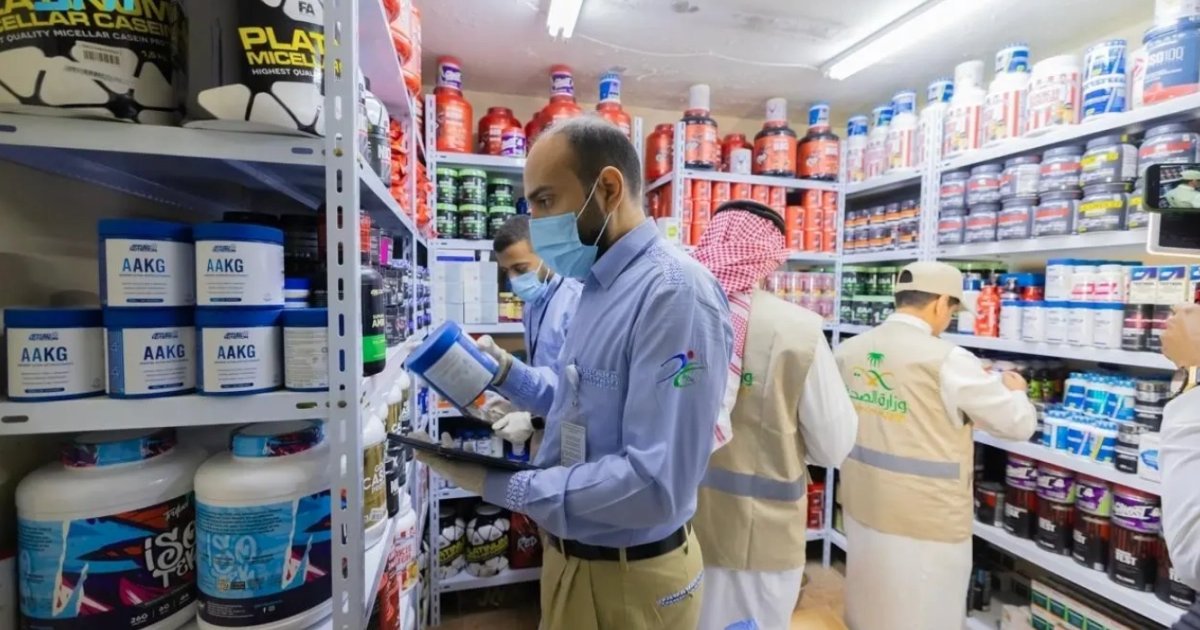
The Saudi Ministry of Health announced the detention of several gym trainers of Arab nationalities for selling and promoting unregistered and unlicensed weight loss drugs. These violations were uncovered through monitoring social media, in coordination with the Saudi Food and Drug Authority and other relevant agencies.
This campaign followed intensive investigations, where the supply chain was traced to a warehouse that was raided during a covert operation. Authorities confirmed that the warehouse contained hormonal supplements and peptide substances, in addition to retatrutide, which is still undergoing clinical trials and lacks a reliable safety record.
Details of the Operation
This step is part of the Ministry of Health's efforts to combat the sale of unlicensed drugs that pose a risk to citizens' health. The ministry's spokesperson indicated that penalties under the Health Professions Practice Law include sentences of up to six months in prison and substantial fines, in addition to other potential penalties.
The ministry also urged gyms and fitness centers to enhance oversight and ensure that employees comply with applicable laws and regulations. It emphasized the importance of gym-goers obtaining health products only from licensed sources and under medical supervision, while avoiding unreliable products promoted through social media.
Context and Background
The phenomenon of selling unlicensed drugs in gyms is an increasing issue in many countries, as many seek quick results in weight loss or muscle building. These drugs, often promoted online, can have serious side effects on health, necessitating intervention from health authorities.
In recent years, Saudi Arabia has seen a growing interest in health and fitness, leading to an increase in the number of gyms. However, this interest has come with challenges related to the safety and quality of products available in the market.
Consequences and Impact
This campaign signals the Saudi government's commitment to protecting citizens' health and raising awareness about the risks associated with using unlicensed drugs. This move is expected to increase awareness among gym-goers about the importance of obtaining health products from reliable sources.
Moreover, these measures may contribute to improving the reputation of the health and fitness sector in Saudi Arabia, potentially attracting more investments in this field and promoting its safe development.
Impact on the Arab Region
This campaign is part of broader efforts to combat the sale of unlicensed drugs in the Arab region. Many countries are suffering from the same problem, necessitating regional cooperation to improve oversight of health markets.
Strengthening public health laws and regulations in Saudi Arabia may serve as a model for other Arab countries, contributing to the protection of citizens from health risks.
In conclusion, this campaign highlights the importance of health oversight and community awareness in addressing public health challenges, reflecting the Saudi government's commitment to providing a healthy and safe environment for its citizens.