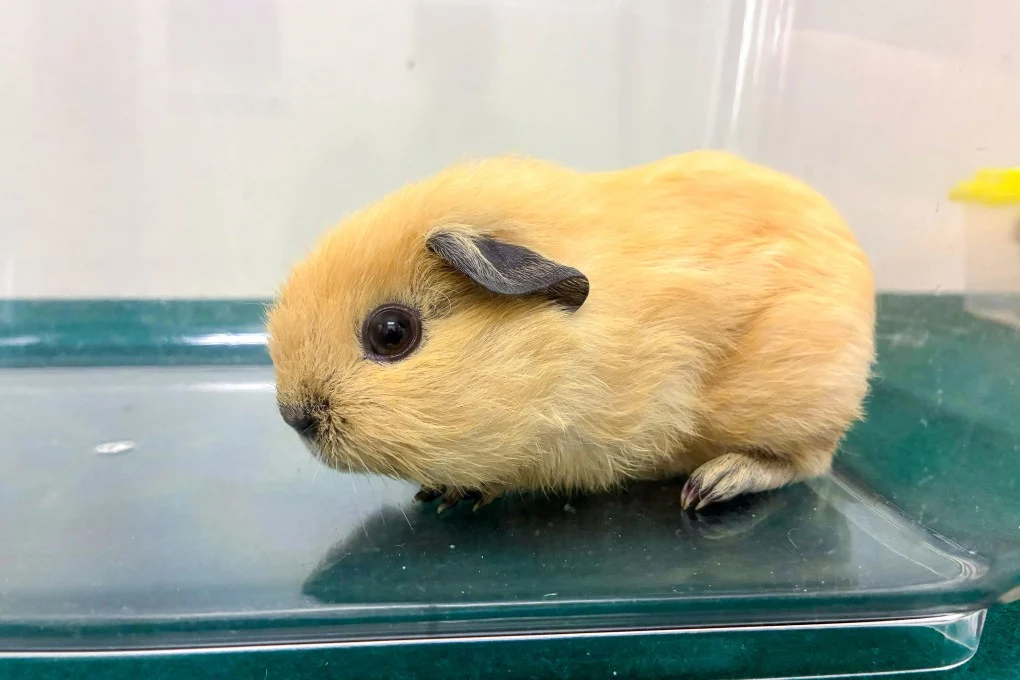
Hong Kong customs authorities have arrested a 46-year-old woman for smuggling seven rare animals, including a sugar glider and a chinchilla devil, through the Lok Ma Chau checkpoint. The animals were found in paper bags carried by the woman, valued at approximately 4,300 Hong Kong dollars (around 549 US dollars). This incident underscores the risks associated with animal smuggling and its impact on biodiversity.
According to a spokesperson for the customs department, the woman was intercepted while attempting to enter the city, as her behavior raised suspicions. Upon inspecting the bags she was carrying, the animals were discovered, leading to her arrest. Hong Kong customs warns the public that importing animals without a valid permit is a punishable offense under the law.
Details of the Incident
This incident is part of Hong Kong's efforts to combat animal smuggling, which has become increasingly common in recent years. Smuggling animals can lead to the spread of diseases and poses a threat to biodiversity. There are also concerns regarding the welfare of smuggled animals, as they are often transported under inhumane conditions.
Hong Kong customs has taken strict measures against animal smuggling, having seized numerous similar cases in past years. Rare animals are sometimes smuggled from various regions around the world, complicating efforts to combat this phenomenon.
Background & Context
Historically, Hong Kong has been a major transit point for many animal species, both native and imported. As awareness of the risks associated with animal smuggling grows, governments worldwide have begun to take stricter actions. In 2018, Hong Kong enacted new laws aimed at enhancing the protection of wildlife.
These laws are part of global efforts to protect endangered species, with countries collaborating with non-governmental organizations to raise awareness about the importance of preserving biodiversity. Animal smuggling is not just a crime; it is also a threat to the environment.
Impact & Consequences
Animal smuggling can have negative effects on the environment and the local economy. In addition to health risks, smuggling exotic species can lead to ecological imbalances. For instance, smuggled species can destroy natural habitats of local species.
Moreover, animal smuggling contributes to increased demand for endangered species, heightening the risk of their extinction. Therefore, it is crucial for countries to collaborate in combating this phenomenon through information sharing and strengthening local laws.
Regional Significance
In the Arab region, animal smuggling issues are also a concern. Many Arab countries face similar challenges in protecting biodiversity. For example, wildlife smuggling in some Arab nations leads to habitat degradation and poses a threat to local species.
Thus, it is important for Arab countries to adopt effective strategies to combat animal smuggling, including strengthening local laws and raising public awareness about the importance of preserving biodiversity.