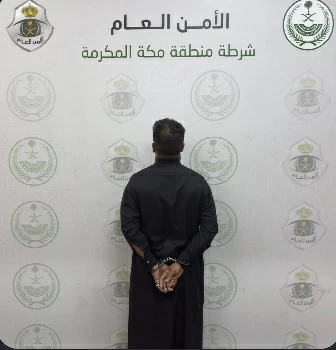
The police in the Makkah region apprehended a Yemeni national after confirming his involvement in fraudulent activities related to providing fake Hajj services. The accused published misleading advertisements on social media, claiming to offer entry permits to the holy capital.
This action is part of Saudi authorities' efforts to combat fraud and ensure the safety of pilgrims. The suspect has been detained, and his case has been referred to the public prosecutor's office for further legal proceedings.
Details of the Incident
This incident is part of a series of fraud cases targeting pilgrims, as some individuals seek to exploit the Hajj season for illegal profits. The public security authorities have urged everyone to adhere to Hajj regulations and emphasized the importance of reporting any violations through designated numbers.
The designated numbers for reporting include (911) in the Makkah, Madinah, Riyadh, and Eastern regions, and (999) in other parts of the Kingdom. This approach reflects the authorities' commitment to protecting pilgrims and ensuring a safe experience for them.
Background & Context
Historically, Hajj seasons have witnessed numerous fraud cases, prompting authorities to implement strict measures to combat this phenomenon. In recent years, oversight of Hajj services has been enhanced, including entry permits and accommodation, to ensure that pilgrims are not exploited.
The Kingdom of Saudi Arabia is one of the most prominent religious destinations in the world, welcoming millions of pilgrims annually. Therefore, protecting these pilgrims from fraud is a top priority for the authorities.
Impact & Consequences
This incident underscores the importance of awareness among pilgrims and citizens regarding the risks of fraud, especially during Hajj seasons. It also highlights the need for enhanced cooperation between citizens and authorities to report any suspicious activities.
These measures are expected to reduce instances of fraud, thereby boosting pilgrims' confidence in the services offered to them. Additionally, these steps reflect the Kingdom's commitment to providing a safe environment for pilgrims.
Regional Significance
This incident serves as an indicator of the challenges faced by Arab countries in protecting citizens and residents from fraud. Enhancing awareness and community engagement are fundamental factors in combating these phenomena.
The Kingdom's success in combating fraud during the Hajj season could serve as a model for other Arab countries, thereby strengthening regional cooperation efforts in this area.
In conclusion, combating fraud in Hajj services remains an urgent necessity that requires concerted efforts between authorities and citizens to ensure a safe and comfortable experience for pilgrims.