The Sudan Doctors Network has revealed that the Rapid Support Forces have arrested more than 2377 individuals, including 1470 civilians and 907 military personnel, in a large-scale operation targeting both civilians and military alike. Among the detainees, there are 426 children, raising concerns about children's rights under the current circumstances.
These arrests come at a time when detainees are suffering from a cholera outbreak, which has resulted in the deaths of over 300 detainees in the past two months. The health situation in detention centers is worsening, necessitating urgent intervention from humanitarian organizations.
Details of the Arrests
Arrests in Sudan are increasing, with operations concentrated in various regions of the country. Security forces, particularly the Rapid Support Forces, are accused of significant human rights violations, raising fears of escalating violence and arbitrary detentions.
Reports also document arrests of doctors and healthcare practitioners, complicating the health situation in the country. These doctors were at the forefront of efforts to combat epidemics and diseases, and their arrest negatively impacts the available healthcare services.
Background & Context
Historically, Sudan has witnessed waves of violence and political arrests, especially following the outbreak of internal conflicts. The Rapid Support Forces, originally formed to combat rebellion in Darfur, have taken on a key role in the current conflict, leading to a deterioration of security and humanitarian conditions.
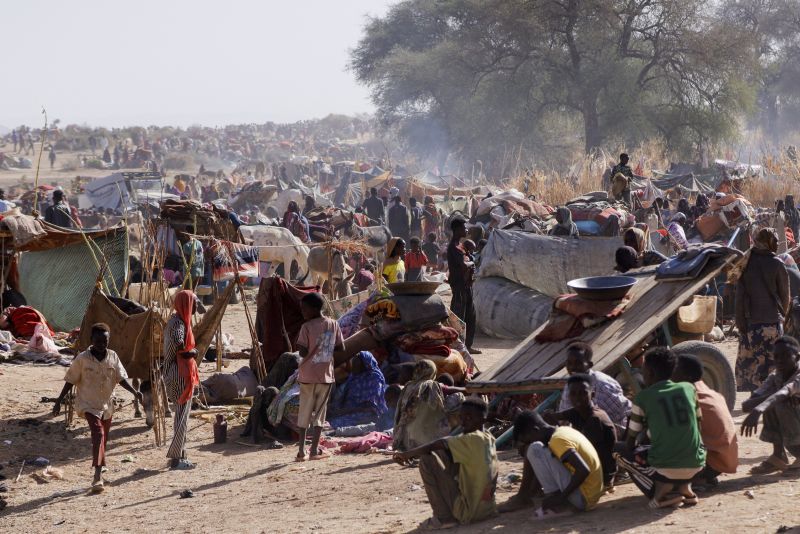
In recent years, humanitarian crises in Sudan have worsened, with escalating armed conflicts and deteriorating economic conditions. These circumstances have led to an increase in the number of displaced persons and detainees, prompting the international community to take action.
Impact & Consequences
The widespread arrests affect political and social stability in Sudan. With the rising number of detainees, there are growing concerns about potential public backlash that could lead to unrest on the streets.
The cholera outbreak in detention centers also threatens the lives of many, necessitating an urgent response from humanitarian organizations to provide the necessary assistance. The deteriorating health situation could lead to further outbreaks of diseases, exacerbating the suffering of the population.
Regional Significance
The situation in Sudan serves as an indicator of the increasing crises in the Arab region, where many countries face similar issues related to human rights and humanitarian crises. The rise in arrests and violations in Sudan could affect regional stability and increase pressures on other Arab governments.
Under these circumstances, the international community must act urgently to support human rights in Sudan and provide necessary humanitarian aid. The current situation requires a concerted international effort to end the suffering of civilians.