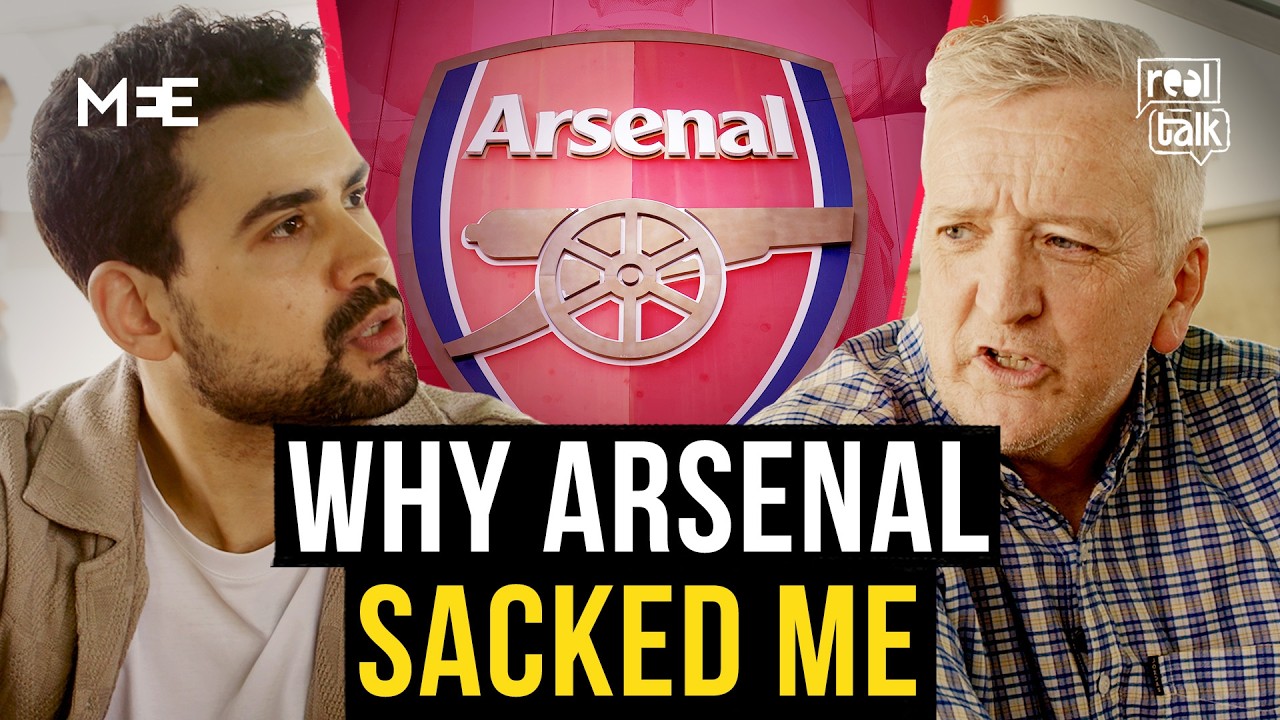
In a move that has sparked mixed reactions, Arsenal FC has terminated Mark Bonick, who served as a kit manager, on Christmas Eve 2024. This decision followed Bonick's posts on the platform 'X' where he criticized Israel for what he described as 'genocide' in Gaza.
The club announced that Bonick had tarnished its reputation, leading to the dismissal. However, subsequent reports revealed that the Football Association had informed Arsenal that Bonick's posts did not violate any of its regulations.
Details of the Incident
Mark Bonick, who spent over two decades at Arsenal, expressed regret over losing his job but stated he does not regret his comments. In an interview with journalist Mohamed Hashim, Bonick confirmed his intention to file a lawsuit against the club for wrongful termination, indicating that his dismissal was a result of his political views.
This incident comes at a sensitive time as Arsenal prepares for a UEFA Champions League final, highlighting the political tensions that may impact sports.
Background & Context
Historically, sports have always been a platform for political and social discourse. In recent years, many athletes have used their platforms to voice opinions on global issues, including human rights and political conflicts. This makes Bonick's dismissal a significant event, reflecting the tension between freedom of expression and commercial interests.
In a broader context, criticism of Israel has been increasing due to its policies towards Palestinians, making it challenging for individuals, including athletes, to express their views without facing repercussions. This situation raises questions about the extent of free speech in sports.
Impact & Consequences
This case exemplifies how politics can influence sports and how personal opinions can lead to professional consequences. If Bonick succeeds in his lawsuit, it may open the door for further discussions about freedom of expression in the sports arena.
Moreover, this case could affect how clubs handle their employees in the future, especially regarding political issues. Employees may hesitate to express their opinions for fear of losing their jobs, potentially creating an atmosphere of fear and censorship.
Regional Significance
For Arabs, this case represents an opportunity to reflect on how politics impacts sports. Many Arab athletes face similar pressures when it comes to expressing their views on political issues. This case may encourage them to speak out more freely, especially given the current conditions in the region.
In conclusion, Mark Bonick's case reflects the ongoing tensions between freedom of expression and commercial interests in the sports world, making it a topic worth following.