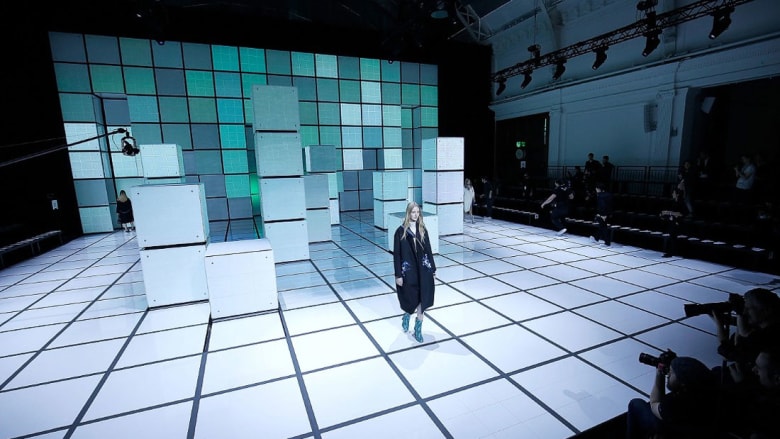
The traditional experience of art transcends the confines of frames and hanging paintings, evolving into a living idea that reflects deep human experiences. For years, I have been writing about art, exploring its details and analyzing its hidden meanings. I have always believed that art is the truest expression of humanity, with each painting carrying a life of its own, even if it appears silent. However, today I find myself facing a completely different experience.
This experience is not something that hangs on a wall or is framed; rather, it reflects life in all its details and complexities. Art is no longer just colors and shapes; it has become a means of expressing emotions and ideas, a window into diverse human experiences.
Event Details
In the world of art, many experiences reflect social and cultural transformations. The artist is no longer just a creator of paintings; they have become influencers in society, striving to shed light on humanitarian and social issues. These experiences require artists to be more aware of their surroundings and to express their ideas in new and innovative ways.
Today, art transcends the boundaries of time and space, existing in streets, public spaces, and even in digital realms. These transformations reflect art's ability to adapt to social and cultural changes, highlighting its role as a means of expressing identity and belonging.
Background & Context
Historically, art was considered a means of expressing beauty and imagination, but over time, it has evolved to reflect societal issues. In the twentieth century, we witnessed the emergence of new artistic movements such as surrealism and expressionism, which expressed feelings of anxiety and turmoil. Today, we find that art reflects contemporary issues such as migration, social justice, and the environment.
Art is not merely entertainment; it is a powerful tool for social change. Through it, artists can pose questions about reality and invite the audience to reflect on important issues. This dynamic makes art an integral part of daily life.
Impact & Consequences
The experience of art as a living concept opens new horizons for both artists and audiences. It invites artists to consider their role in society and how they can use their art to influence others. It also encourages the audience to engage with art in new ways, enhancing the experience of viewing and critical thinking.
When art becomes a living idea, it transcends the confines of traditional exhibitions, becoming part of daily life. This transformation contributes to the enhancement of culture and critical thought, fostering dialogue and interaction among individuals.
Regional Significance
In the Arab region, art gains special importance amid social and political challenges. Arab artists use their art as a means to express their issues and highlight the challenges facing their communities. These experiences reflect the diversity of Arab culture and underscore art's ability to transcend political and social boundaries.
Art as a living idea reflects the spirit of creativity and renewal in the Arab world, strengthening cultural identity. Through these experiences, artists can contribute to building a more aware and interactive society.
In conclusion, it can be said that art as a living concept represents an important shift in how we understand art and its role in society. It is a call for reflection and interaction, reflecting art's capacity to impact daily life.