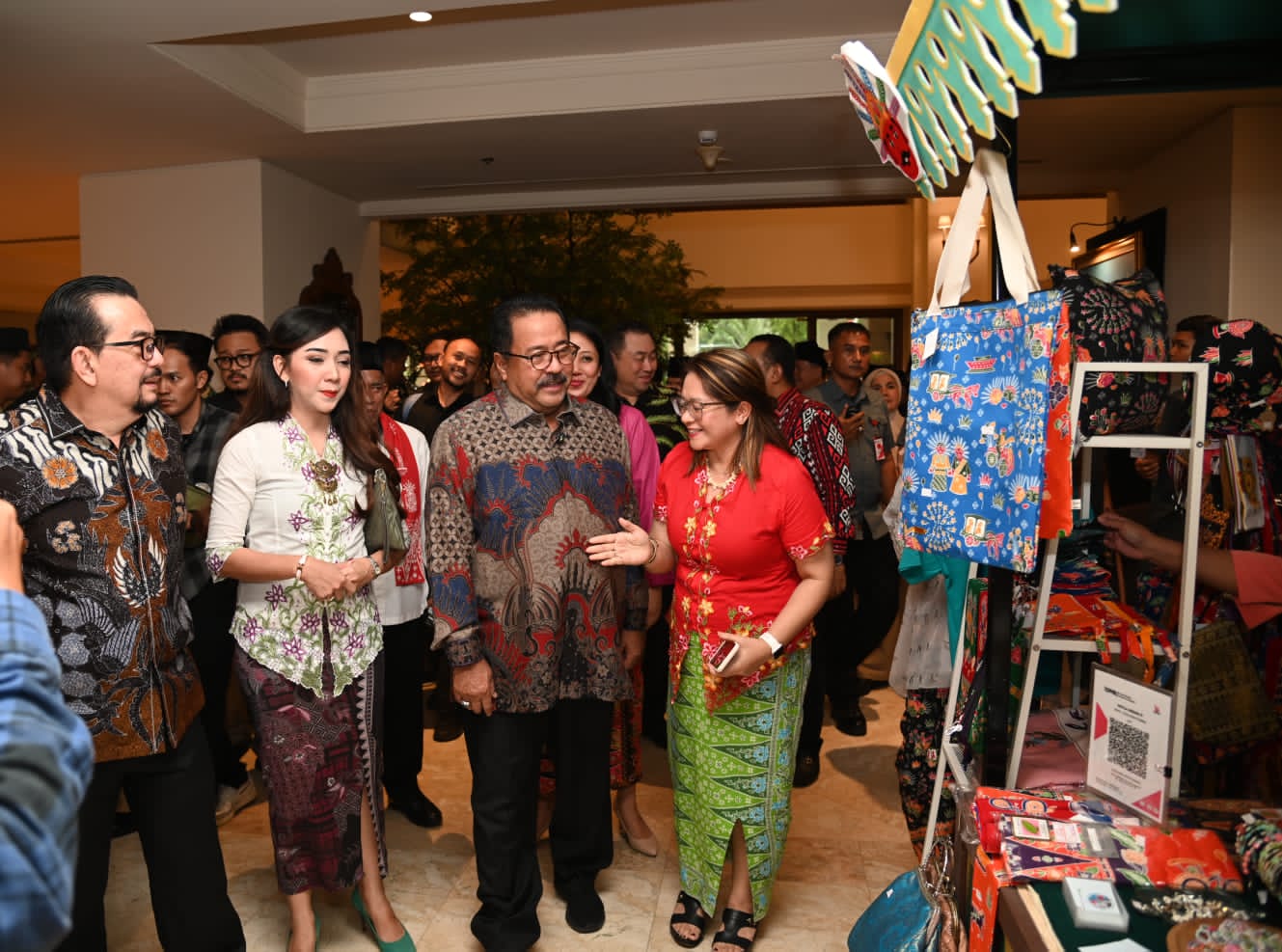
Jakarta's Deputy Governor, Rano Karno, emphasized the essential role of art in shaping the city's identity, stating that without art, Jakarta becomes a mere collection of soulless buildings. This was highlighted during his speech at the opening of the 56th anniversary celebrations of the Jakarta Institute of Arts.
Rano noted that the presence of art makes the city more vibrant, contemplative, and humane. He argued that Jakarta without art is merely a pile of concrete, while with art, the city becomes lively and capable of remembering, critiquing, and reshaping itself.
Event Details
During his speech, Rano stressed the importance of artists in preserving the cultural environment and understanding the language of the world without losing their local identity. He explained that today’s artists must be more than just creators; they must also be guardians of culture.
He also pointed out that the Jakarta government views the Institute of Arts as a strategic partner in developing a cultural and inclusive city. He emphasized the institute's crucial role in shaping artists and guiding the culture within the city.
Background & Context
Historically, the arts have always been an integral part of the cultural identity of major cities. In Jakarta, art serves as a means of expressing social and political challenges, and the city has undergone significant transformations in recent years, making the need for art and culture more urgent.
Furthermore, the arts play an important role in boosting tourism and attracting visitors, with art exhibitions and cultural festivals being among the most prominent events that showcase the city's beauty and history.
Impact & Consequences
Enhancing the arts in Jakarta is a significant step towards building a more inclusive and diverse community. By supporting the arts, the city can better address urban challenges, contributing to an improved quality of life for its citizens.
Additionally, the arts contribute to fostering dialogue among different cultures, helping to build a cohesive and understanding community. In the context of globalization, it becomes essential for cities to maintain their cultural identity through the arts.
Regional Significance
Many Arab cities share challenges similar to those faced by Jakarta, suffering from a loss of cultural identity amid rapid modernization. Jakarta's experience can serve as a model for Arab cities on how to use the arts to enhance cultural identity.
Moreover, the arts can play a vital role in promoting cultural cooperation between Arab countries and Indonesia, contributing to building bridges of understanding and communication among different cultures.