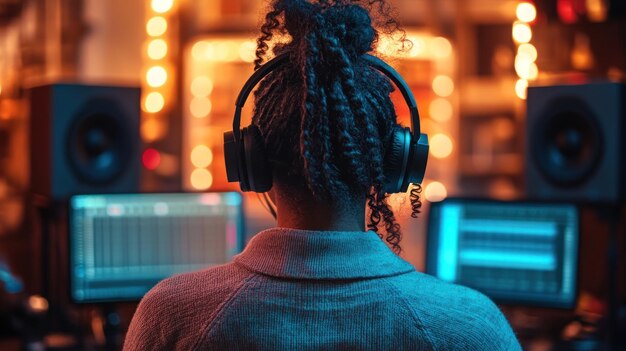
Artificial intelligence is considered one of the most significant technological advancements of modern times, gaining increasing prominence in the music industry. Recently, recording studios have witnessed a notable transformation with the introduction of AI technologies, providing artists with new opportunities for creativity and expression. However, these artists face a dual challenge as they seek to harness this technology without losing the human essence of their music.
Many bands and independent artists are striving to leverage AI as a tool to stimulate creativity and save time. Thanks to these technologies, artists can produce new musical pieces more quickly, allowing them to focus on other creative aspects of their work. Nevertheless, concerns persist regarding how this technology will affect the quality of music and whether it will lead to a loss of authenticity.
Event Details
Reports indicate that many artists have begun using AI programs to analyze music patterns and provide suggestions related to arrangement and production. For instance, AI can analyze the most popular songs and suggest musical elements that could make new works more appealing to audiences. However, the question remains: can AI replace human creativity?
In this context, some artists have expressed enthusiasm for these new tools, viewing them as a means to enhance their creativity. Meanwhile, others are apprehensive that excessive reliance on AI could diminish the value of artistic work. The balance between utilizing technology and maintaining authenticity is what artists are currently striving for.
Background & Context
Historically, the music industry has experienced numerous technological shifts, from the advent of recording machines to the use of digital software. With each advancement, there has always been debate about the impact of this technology on art. In recent years, AI has become an integral part of many industries, including cinema and gaming, raising questions about the future of music.
This current phase of AI usage in music is part of a broader trend towards integrating technology into the arts. However, the challenges facing the industry require artists to think deeply about how to use these tools responsibly.
Impact & Consequences
AI can have a significant impact on how music is produced and distributed. On one hand, it can facilitate access to production tools and reduce costs, allowing more independent artists to emerge. On the other hand, reliance on AI may lead to a decrease in diversity in music, as musical styles may trend towards what AI prefers based on available data.
Moreover, this shift could change how audiences consume music. With the increasing use of AI, listeners may expect more personalized experiences, placing additional pressure on artists to meet these expectations.
Regional Significance
In the Arab region, where musical cultures are highly diverse, AI can have both positive and negative effects. On one hand, it can help Arab artists reach a wider audience by improving production quality. On the other hand, reliance on AI may lead to the loss of some unique cultural elements that characterize Arabic music.
Ultimately, the biggest challenge remains how to use this technology in a way that ensures the preservation of cultural and artistic identity while allowing artists to benefit from the opportunities it provides. The future holds much potential, but it requires both artists and listeners to consider how to balance innovation with the preservation of authenticity.