Brad Bernstein, managing partner at FTV Capital, revealed that the excitement surrounding artificial intelligence is leading to radical changes in global markets. He emphasized that this phase represents the beginning of a significant transformation similar to previous shifts such as cloud computing and mobile phones, but it carries more uncertainty regarding its development.
During a discussion with Paul Sweeney and Tom Keen, Bernstein pointed out that artificial intelligence is not just a new technology, but a new platform that could reshape many industries. He predicted that in the coming years, we will witness profound impacts on how companies operate and interact with customers.
Event Details
In his remarks, Bernstein confirmed that artificial intelligence opens new doors for opportunities, but it also raises questions about how to deal with rapid changes. He explained that companies investing in this technology will find themselves in a strong position, while others may face significant challenges.
He also noted that artificial intelligence could lead to the dismantling of some traditional industries, requiring companies to rethink their strategies. He asserted that these transformations may be similar to those we witnessed with the advent of the internet and cloud computing, but with added complexity.
Background & Context
Over the past two decades, the world has witnessed tremendous technological transformations, from the internet to smartphones. All these shifts have led to radical changes in how companies operate and interact with customers. With the emergence of artificial intelligence, it seems we are on the brink of a new phase of transformations.
Historically, several technologies have revolutionized markets, such as cloud computing, which changed the way data is stored and managed. However, artificial intelligence is more complex, requiring a deep understanding of how to use and analyze data.
Impact & Consequences
Many studies predict that artificial intelligence will significantly impact the job market, potentially leading to the loss of some traditional jobs while creating new roles in areas such as data analysis and software development. This shift may require the workforce to reskill to meet the changing market demands.
Moreover, companies that adopt artificial intelligence will be able to enhance their efficiency and increase productivity, potentially leading to higher profits. However, companies that ignore this technology may find themselves in a difficult position in the future.
Regional Significance
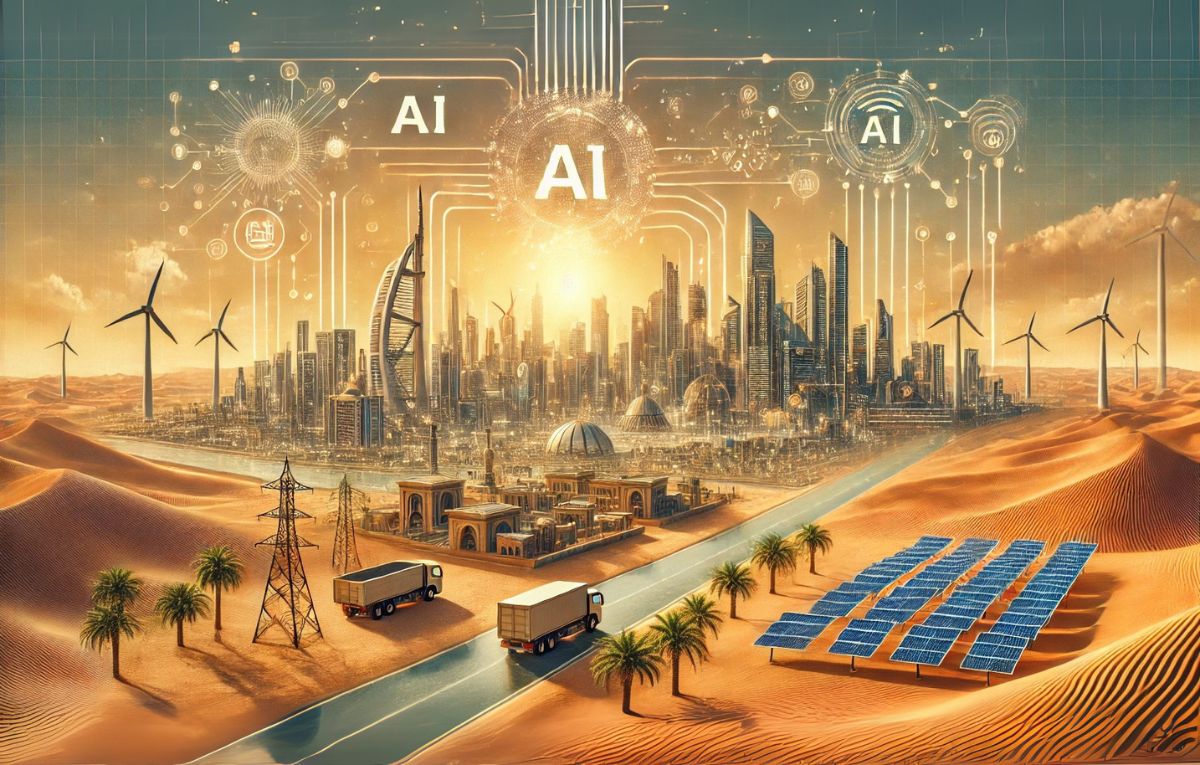
In the Arab region, artificial intelligence could have significant effects on various sectors, including education, healthcare, and commerce. For instance, artificial intelligence can be used to improve the quality of education by providing personalized learning experiences for students.
Additionally, artificial intelligence can help enhance healthcare services by analyzing medical data and providing accurate diagnoses. However, Arab countries must prepare for these transformations by investing in education and training to ensure that the workforce is ready to face new challenges.